Port Douglas is the closest big reef town to the clear ribbon reefs on the edge of the continental shelf, and it also has one of the easiest coral cays to reach on the whole coast. Add a small-boat trip from the beach at Cape Tribulation and you have four very different ways to see the reef. Here is how they compare, using the numbered sites on our map.
Which reefs can you visit from Port Douglas?
From Port Douglas you can reach four main areas: the Agincourt Reefs (site 5 on the map), Mackay Reef (site 6), Opal Reef (site 7) and Low Isles (site 8). Three are reached by day boat from the marina in town. Mackay Reef is the odd one out: its trips launch straight from the beach at Cape Tribulation, about 20 km offshore.
Port Douglas sits about 65 km north of Cairns Airport, roughly an hour's drive along the Captain Cook Highway. If you are still choosing a base, our comparison of Cairns vs Port Douglas vs Airlie Beach weighs up flights, beaches and boat times. For the whole reef at a glance, see our Great Barrier Reef guide and the Great Barrier Reef map.
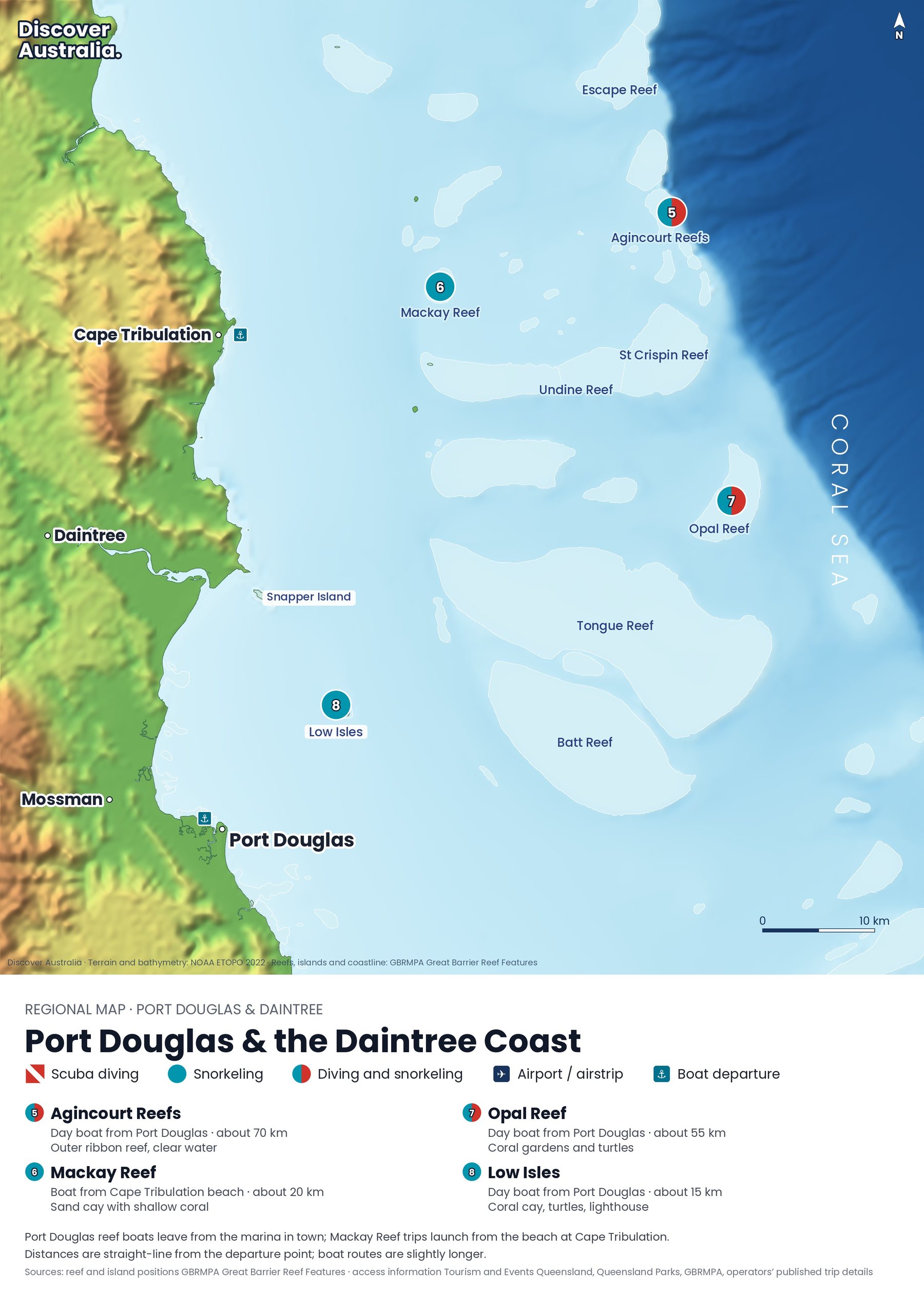
Distances on the map are straight lines from the departure point, so boat routes are a little longer.
| Site | Leaves from | Distance | Known for |
|---|---|---|---|
| 5 Agincourt Reefs | Port Douglas marina | About 70 km | Outer ribbon reef, clear water, pontoon |
| 6 Mackay Reef | Cape Tribulation beach | About 20 km | Sand cay with shallow coral, small groups |
| 7 Opal Reef | Port Douglas marina | About 55 km | Coral gardens and turtles |
| 8 Low Isles | Port Douglas marina | About 15 km | Coral cay, turtles, 1878 lighthouse |
The map also labels reefs you may pass or visit on some trips, including Tongue, Batt, St Crispin, Undine and Escape reefs, with Snapper Island off the mouth of the Daintree River.
How do you get to Agincourt Reef from Port Douglas?
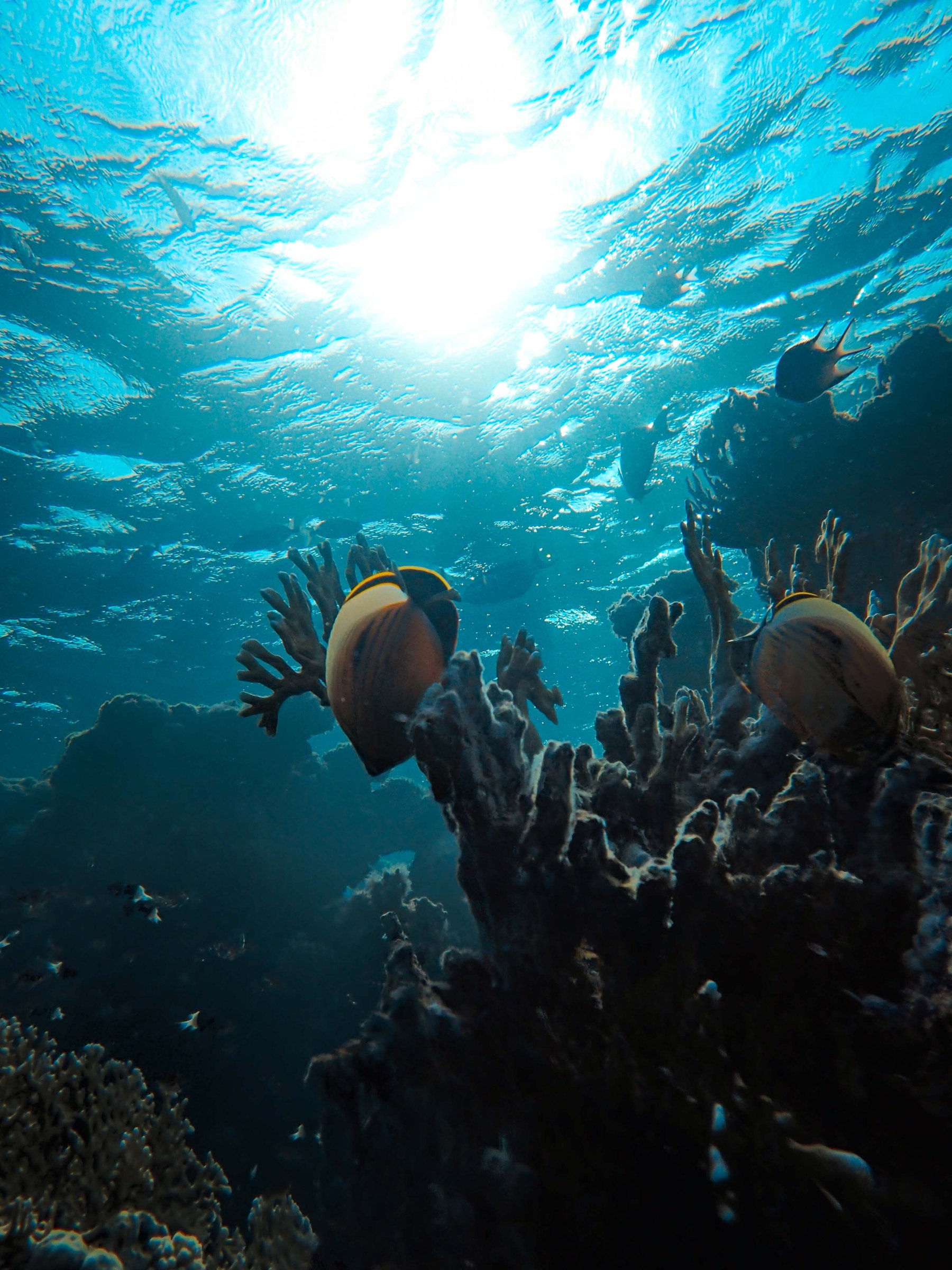
You take a day boat from the marina on Wharf Street, and the run out takes about 90 minutes. Agincourt is a group of ribbon reefs on the outer edge of the continental shelf, where ocean water usually keeps visibility high. On the map, site 5 sits right on the line where the shallow lagoon drops into the deep blue of the Coral Sea.
Quicksilver, the best-known operator here, sails a large wave-piercing catamaran to its own pontoon at Agincourt Reef, 72 km north-east of Port Douglas. On its published schedule the boat leaves at 10am and returns at 4.30pm, which gives you about three and a half hours at the reef. The pontoon has an underwater observatory, a semi-submersible coral tour, lifeguards, buoyancy vests and a buffet lunch, so it suits mixed groups where not everyone wants to swim.
- Diving: introductory dives (no certificate needed) are sold as an extra, with a minimum age of 12 on Quicksilver.
- Smaller boats: several snorkel and dive boats also visit Agincourt and nearby reefs such as St Crispin, usually stopping at two or three sites instead of a pontoon.
- Seasickness: the open water beyond the reef can be choppy in the trade-wind months, so take tablets before you board, not once you feel ill.
Agincourt is the closest thing to a ribbon reef day trip. The famous Ribbon Reefs further north, such as the Cod Hole, are liveaboard territory; see our Far North and Ribbon Reefs guide.
Is Opal Reef good for snorkelling?
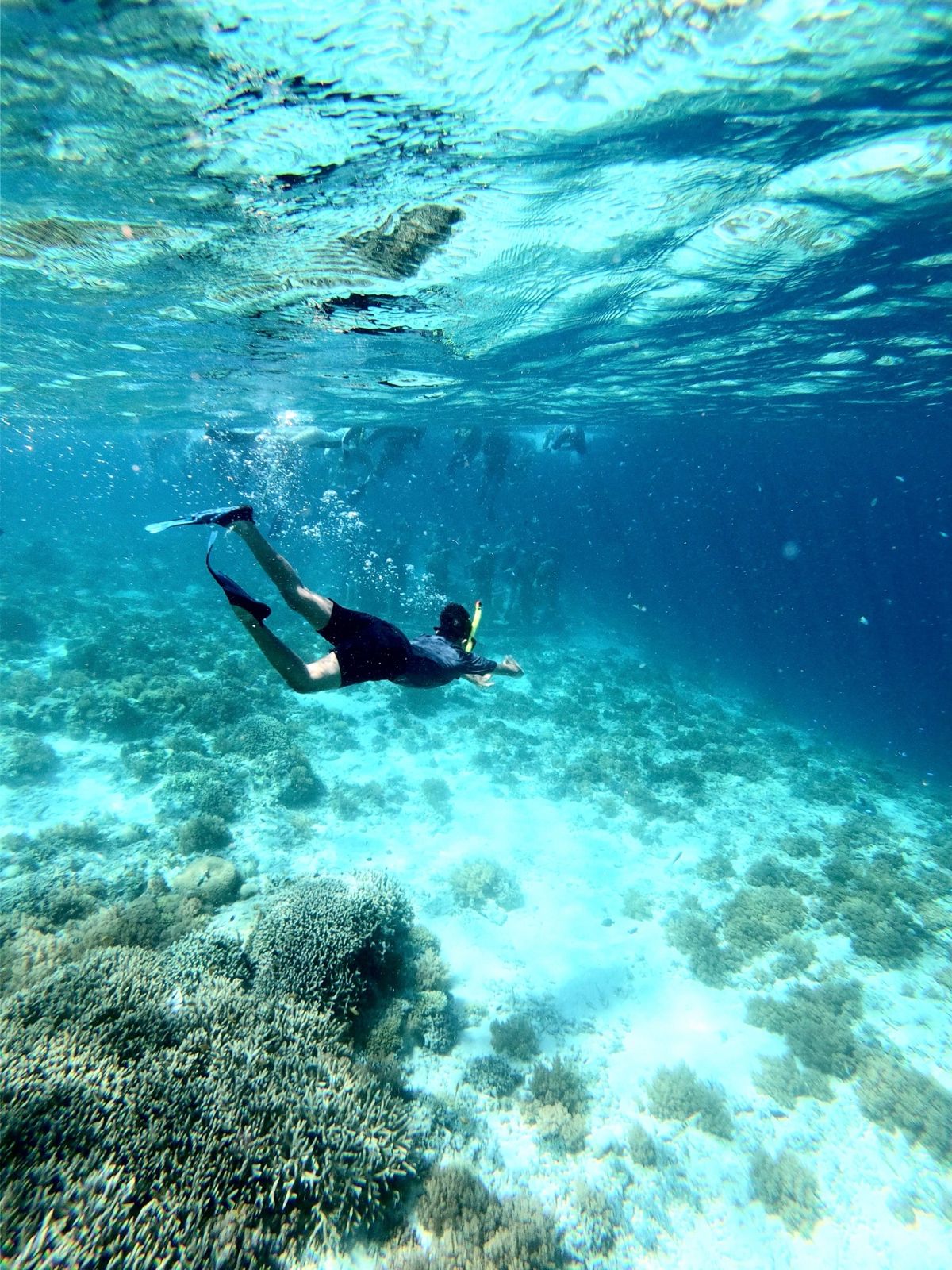
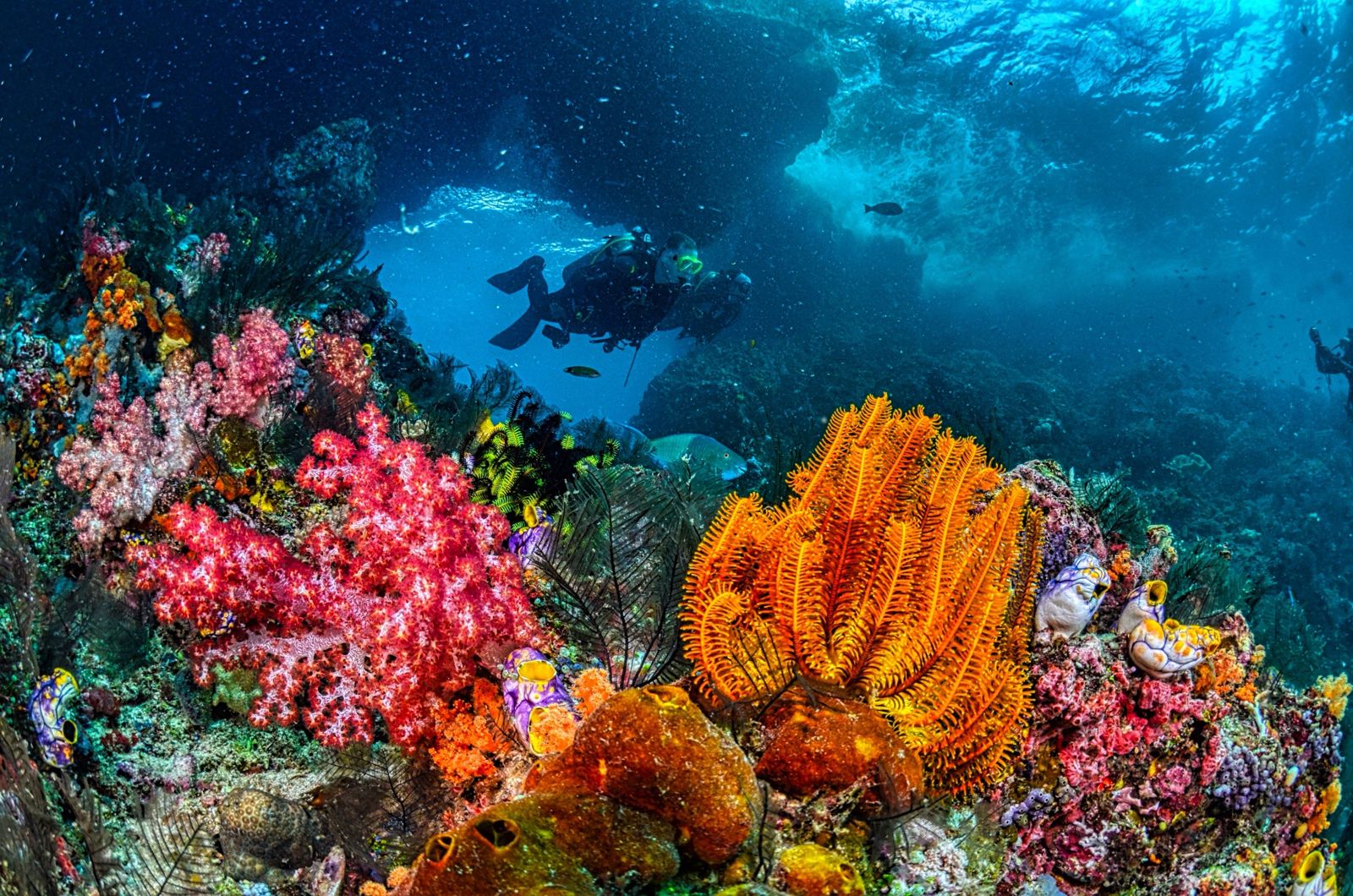
Yes. Opal Reef (site 7) is a favourite of Port Douglas snorkel boats, with shallow coral gardens and frequent turtle sightings. It lies about 55 km offshore, slightly closer than Agincourt, and crews choose the snorkel sites on the day to suit the wind.
Opal Reef is visited by smaller, snorkel-focused boats rather than a big pontoon. Calypso, for example, runs a dedicated snorkelling boat to Opal Reef and a snorkel-and-dive trip to Agincourt, leaving the marina at 8.45am and returning at 4.30pm. Wavelength runs snorkel-only trips to three outer reef sites each day, with a cap of 48 guests and marine biologists guiding the snorkel tours. Expect to visit two or three sites, with a guide in the water if you want one.
These boat-based trips mean more time swimming and less time on facilities. They are a good fit if you are a confident swimmer who wants variety. If you prefer a fixed platform with steps into the water, choose a pontoon at Agincourt instead.
Is Low Isles worth visiting?
Yes, especially for families, weak swimmers and anyone short on time. Low Isles (site 8) is a pair of small islands about 15 km from Port Douglas: Low Island, a coral cay with a lighthouse first lit in 1878, and the mangrove-covered Woody Island. You can snorkel from the beach in a calm lagoon, and turtles are often seen in the water.
Low Isles lies in a Marine National Park Zone of the Great Barrier Reef Marine Park, a no-take "green" zone, and visitor numbers are limited. The lighthouse is on the Commonwealth Heritage List, and resident caretakers monitor the birds and marine life and report to the Reef Authority.
There are two quite different ways to go:
- Sail: Quicksilver's 30-metre sailing catamaran Wavedancer takes about an hour, leaving at 10am and returning at 4.30pm. Its day includes a glass-bottom boat, a guided beach walk and guided snorkelling with a marine biologist.
- Speedboat: Reef Sprinter reaches Low Isles in as little as 15 minutes. The whole trip takes just over two hours, with about an hour and a half of snorkelling.
- Small private charters: some operators run private or small-group boats to Low Isles, such as a 12-guest snorkel charter.
Low Isles is an inner reef, so the water is often less clear than on the outer reef and the coral is different. It is still the gentlest introduction to the reef in this area. For more turtle spots along the coast, see where to see sea turtles in Australia.
Can you visit the reef from Cape Tribulation?
Yes. Cape Tribulation is the only place in this area where you board a reef boat on the beach, and it is the quickest way to the outer lagoon from the Daintree. Ocean Safari launches a rigid inflatable boat from Cape Tribulation beach and takes about 25 minutes to reach Mackay Reef (site 6) and Undine Reef.
- Group size: a maximum of 25 passengers.
- Times: half-day trips leave at 8.30am and 12.30pm, with about two hours exploring the reef.
- What you see: Mackay Reef has a small sand cay with shallow coral around it.
- Getting on: you wade out to the boat, so wear clothes you can get wet. Pick-ups from Cape Tribulation accommodation are included.
Getting to Cape Tribulation means crossing the Daintree River by cable ferry, so this trip works best if you stay a night or two north of the river. Our Daintree Rainforest guide explains the ferry, the boardwalks and croc safety.
Which Port Douglas reef trip is best for you?
It depends on how well you swim and how long you want on a boat. As a rule, the further out you go, the clearer the water and the longer the day.
| You are… | Best pick | Why |
|---|---|---|
| A non-swimmer or nervous snorkeller | Agincourt pontoon or Low Isles | Observatory and semi-sub, or calm beach entry |
| A family with young children | Low Isles | Short crossing, sandy beach, shallow lagoon |
| A confident snorkeller | Opal Reef or Agincourt by small boat | Several sites, more time in the water |
| A certified diver | Agincourt and St Crispin dive boats | Outer-reef walls and bommies, two or three dives |
| Staying in the Daintree | Mackay Reef from Cape Tribulation | 25-minute ride, small group, half day |
| Short on time | Low Isles by speedboat | About two hours door to door from the marina |
A helicopter or scenic flight is another option if you want to see the shape of the reefs from above. Nautilus Aviation, for example, runs reef flights from Port Douglas, and Quicksilver sells a fly-and-cruise combination. Our guide on how to choose a Great Barrier Reef tour covers pontoons, liveaboards and what to ask before you book.
How much does a Port Douglas reef trip cost?
Expect to pay just under A$200 for a half day from Cape Tribulation and from about A$310 to A$350 for a full outer-reef day per adult in 2026–27. Prices on operator websites at the time of writing:
- Quicksilver, Agincourt Reef: A$338 per adult and A$179 per child aged 4 to 14, plus a A$10 adult fuel surcharge, valid 1 April 2026 to 31 March 2027. Return coaches from Port Douglas hotels are extra.
- Calypso, Opal or Agincourt Reef: from about A$309 per adult, with diving extra.
- Wavedancer, Low Isles: from about A$265 per adult.
- Ocean Safari, Mackay Reef: under A$200 per adult, including snorkel gear and pick-ups.
Most fares already include the Reef Authority's environmental management charge of A$8.50 per person for a full day (A$4.25 for a part day), which helps fund management of the Marine Park. Children under four are exempt when they travel free. Check whether lunch, stinger suits, wetsuits and hotel transfers are included before you compare prices.
Book a few days ahead, and longer in Australian school holidays. Leave a spare day in case strong winds cancel your trip; the major operators offer another date or a refund if they do not sail.
When is the best time to visit the reef from Port Douglas?
Trips run all year, but the cooler dry season from about June to October is the most popular, with mild days and outside the main stinger months. Each season has its trade-offs:
- Stinger season: marine stingers are generally present from November to May. Reef boats supply lycra stinger suits, and Douglas Shire Council puts a swimming enclosure in the water at Four Mile Beach during the season. The council notes that enclosures give a high degree of protection against box jellyfish but are not 100% stinger-proof, so wear a full-body suit and swim only between the red and yellow flags.
- Dwarf minke whales: these small whales visit the northern reef each June and July. The most reliable encounters are on the Ribbon Reefs north of Port Douglas, on permitted liveaboards, but some Port Douglas day boats may meet them in winter. Swims follow a strict code of practice: you hold a surface rope, never approach closer than 30 m and never touch.
- Trade winds and rain: strong winds can make the outer reef choppy and occasionally cancel trips, while the summer wet season brings heat, humidity and the chance of tropical cyclones, the main reason big boats do not sail.
Port Douglas and Cape Tribulation are also in crocodile country. Follow the Queensland Government's Be Crocwise advice: obey warning signs, stay away from creeks and river mouths, and never swim where crocodiles may live. Our guide to dangerous animals in Australia has more, and the best time to visit the Great Barrier Reef breaks the year down month by month.
Whenever you go, look after the reef: do not stand on or touch coral, keep your fins up, and cover up with a stinger suit so you need less sunscreen in the water. Coral condition changes from year to year after bleaching and cyclones; read our coral bleaching guide for the latest picture.
Exploring further along the reef
Port Douglas covers sites 5 to 8. Travelling the coast? Continue south with our Cairns reef guide, the Mission Beach to Townsville guide, the Whitsundays reef guide and the southern Great Barrier Reef guide, or browse the best Great Barrier Reef islands. All of Queensland's reef towns sit on the same marine park.
Facts checked October 2026. Fares, schedules and seasons change; confirm with your operator, Douglas Shire Council and the Great Barrier Reef Marine Park Authority before you travel.
- Outer Barrier Reef fares and pricing 2026–27 (Quicksilver Cruises)
- Frequently asked questions: travel time, schedule and reef time (Quicksilver Cruises)
- Great Barrier Reef tour from Port Douglas: inclusions and extras (Quicksilver Cruises)
- Low Isles (Tourism Port Douglas)
- Wavedancer Low Isles cruises (Tourism Port Douglas)
- Calypso Reef Cruises snorkel and dive (Tourism Port Douglas)
- Small-group outer reef snorkel tour (Wavelength Reef Cruises)
- Which Great Barrier Reef tour is for you? (Visit Port Douglas Daintree)
- Ocean Safari, Cape Tribulation (Visit Port Douglas Daintree)
- Environmental management charge rates (Great Barrier Reef Marine Park Authority)
- Dwarf minke whale swim-with programme, Great Barrier Reef (IWC Whale Watching Handbook)
- Beaches and foreshores: stinger season and enclosures (Douglas Shire Council)
- Be Crocwise (Queensland Government)