Australia's reputation for deadly wildlife is mostly bigger than the risk. Venomous bites and stings kill only a handful of people a year, and almost every serious encounter is avoidable. Here is where the dangerous animals live, when to take care, and the official first aid to know.
Is Australia really as dangerous as people say?
No. Australia has plenty of venomous and large animals, but very few people die from them. A University of Melbourne study of national data found 64 deaths from venomous bites and stings in 13 years, from 2000 to 2013. Bees and wasps caused 27, snakes 27, box jellyfish 3, ticks 3 and ants 2. Spiders caused none.
For most visitors, the surf itself is a bigger risk than any animal, so read our guide to ocean safety in Australia for rips and flags. The table below sums up the animals worth knowing about.
| Animal | Where | When | What to do |
|---|---|---|---|
| Saltwater crocodile | Northern rivers, coasts and sea, from about Gladstone north | All year; breeding season September to April | Never swim where crocodiles may live; obey signs |
| Box jellyfish, Irukandji | Tropical waters, mostly north of Bundaberg | Mainly November to May | Wear a full-body suit; vinegar and 000 if stung |
| Sharks | All coasts; most 2025 incidents in NSW and WA | All year | Swim at patrolled beaches; leave if baitfish or birds are feeding |
| Snakes | Across Australia | Mainly the warmer months | Pressure bandage, keep still, call 000 |
| Funnel-web spider | Eastern NSW and south-east Queensland | All year | Pressure bandage along the limb, call 000 |
| Redback spider | Australia-wide | All year | No pressure bandage; call 13 11 26 |
| Blue-ringed octopus, cone snails | Rock pools and reefs | All year | Never pick up; pressure bandage and 000 if bitten |
| Stonefish | Tropical reefs and shallows | All year | Hot water, hospital if pain is severe |
| Cassowary | Wet Tropics and Cape York, Queensland | All year | Keep away, never feed, drive slowly |
| Dingo (wongari) | K'gari and other wild areas | All year | Children within arm's reach; never feed |
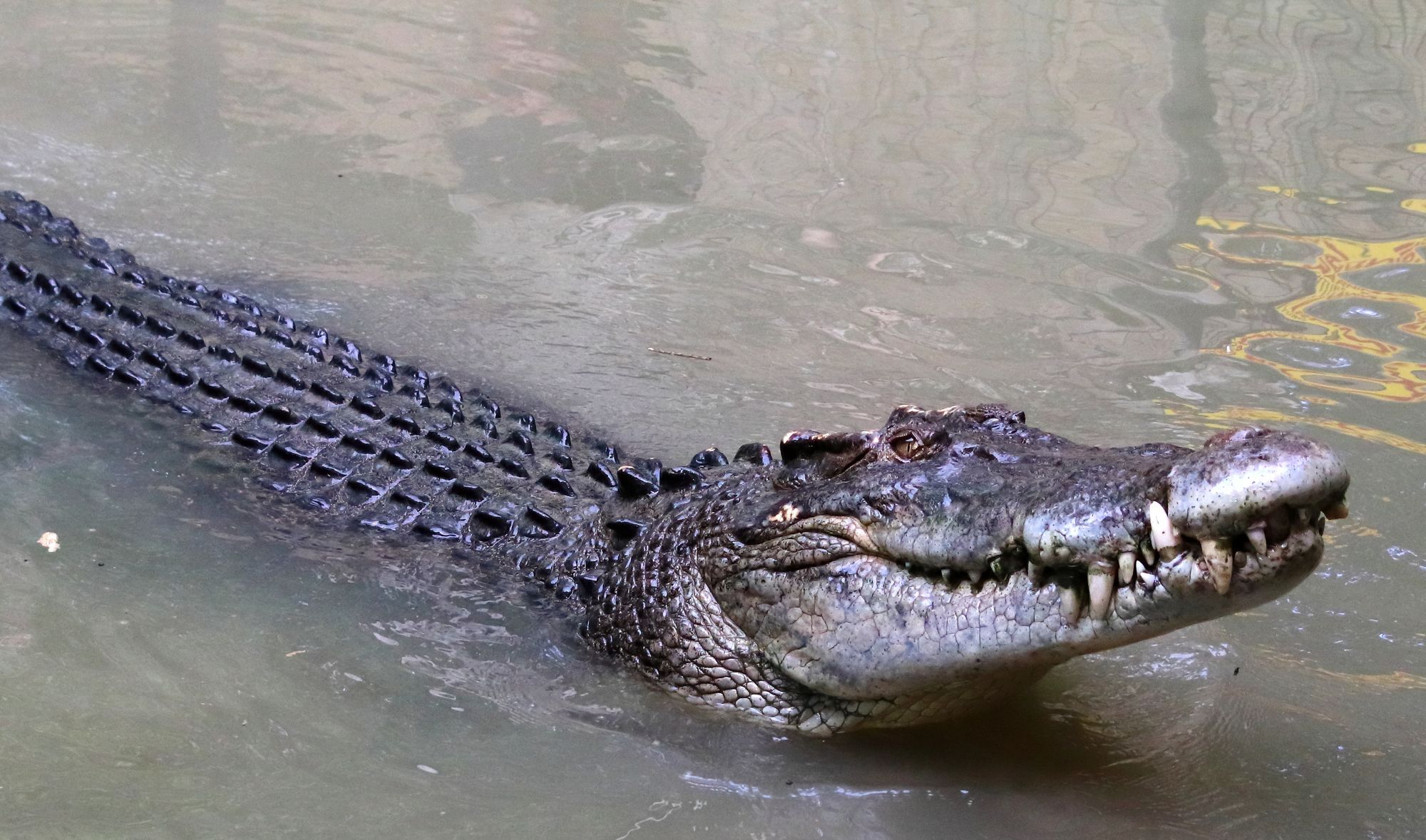
Where do saltwater crocodiles live in Australia?
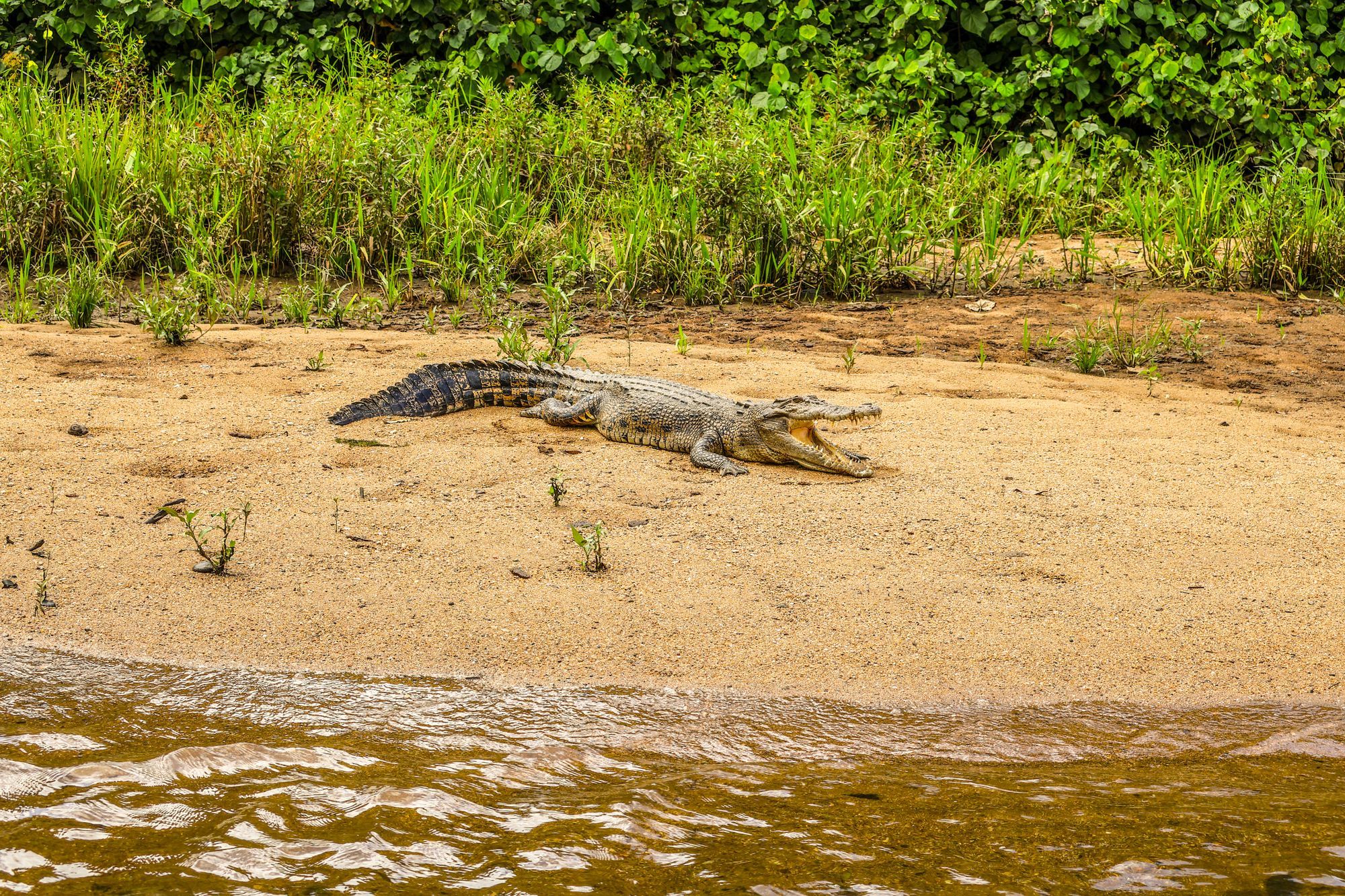
Saltwater (estuarine) crocodiles live across northern Australia, in rivers, billabongs, beaches and the open sea. In Queensland, crocodile country runs from around Gladstone north to Cape York, the Gulf of Carpentaria and the Torres Strait. In the Northern Territory, the government estimates 100,000 to 200,000 live in the wild and says any Top End waterway may hold a large one. They are also found throughout the river systems of the Kimberley in Western Australia.
The official Be Crocwise rules are simple:
- Never swim where crocodiles may live, even if there is no warning sign.
- Obey crocodile signs and stay well back from slide marks on banks.
- Stand a few metres back from the water when fishing, and never on logs over the water.
- Keep arms and legs inside boats, and never clean fish or leave food scraps near the water.
- Take extra care in the breeding season, September to April.
The NT government notes that most fatal attacks there in the past 20 years happened when people entered water outside designated swimming areas.
When is box jellyfish season in Australia?
Marine stinger season usually runs from November to May in tropical waters, generally north of Bundaberg in Queensland and across the north. Box jellyfish and the tiny Irukandji can be present all year, but the risk is higher in season.
- Cover up: wear a full-length lycra stinger suit or wetsuit when swimming or snorkelling.
- Swim inside stinger nets at patrolled beaches where they are installed.
- Irukandji stings may not hurt at first, but severe pain, sweating, nausea and vomiting can follow within minutes or hours. Go to hospital.
For a tropical sting, St John's guidance is to get the person out of the water, call 000, and flood the area with vinegar for at least 30 seconds. Do not use fresh water, and start CPR if needed. Non-tropical stings such as bluebottles are different: rinse with sea water and soak in hot water. Planning a reef day? Read our Great Barrier Reef snorkelling and diving guide.
How likely is a shark attack in Australia?
Very unlikely. Taronga's Australian Shark-Incident Database recorded 25 incidents and 5 deaths in 2025, across a country of millions of swimmers, surfers and divers. Ten incidents were in New South Wales and eight in Western Australia. Since 2000, the database averages a little over two deaths a year.
To lower the risk further:
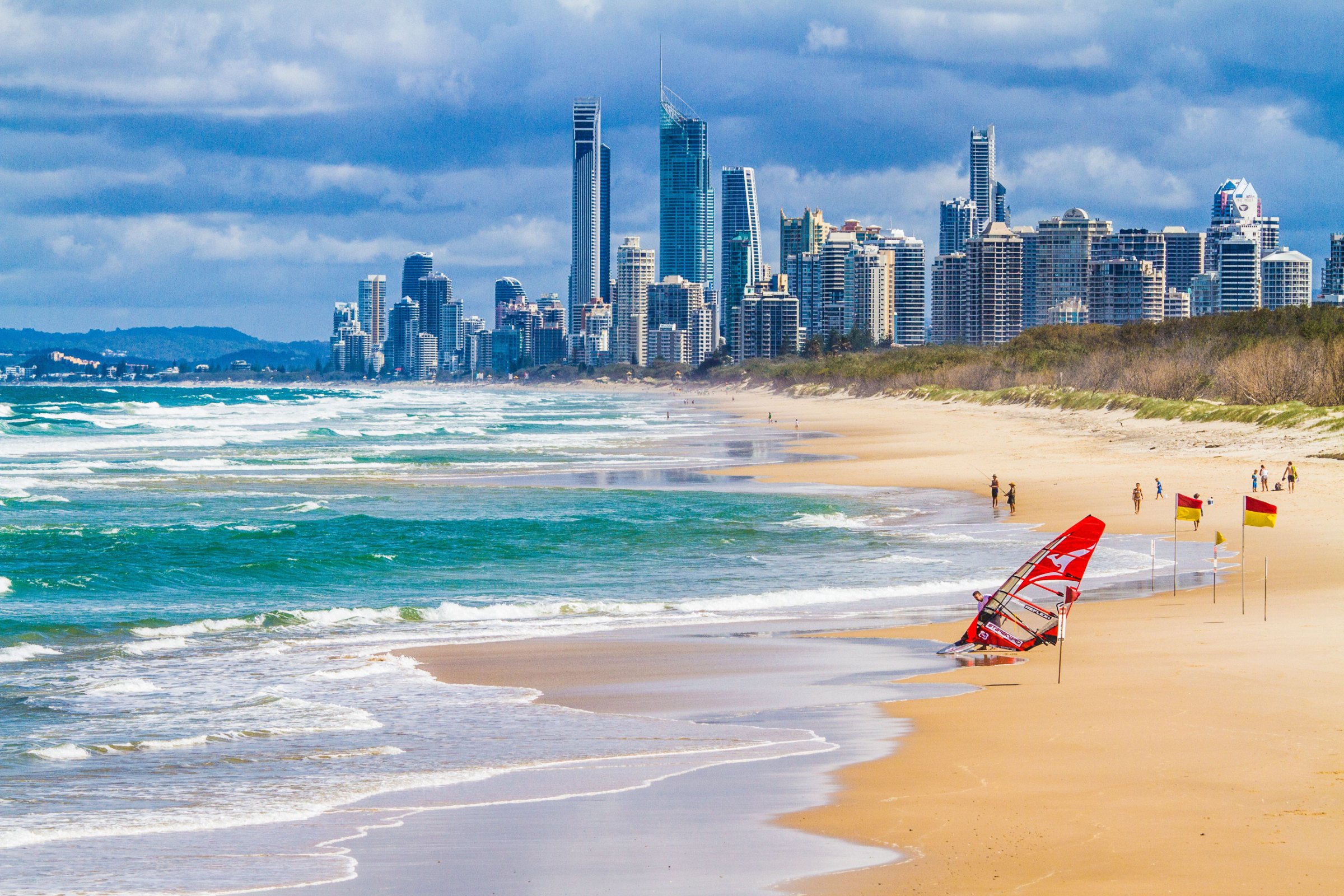
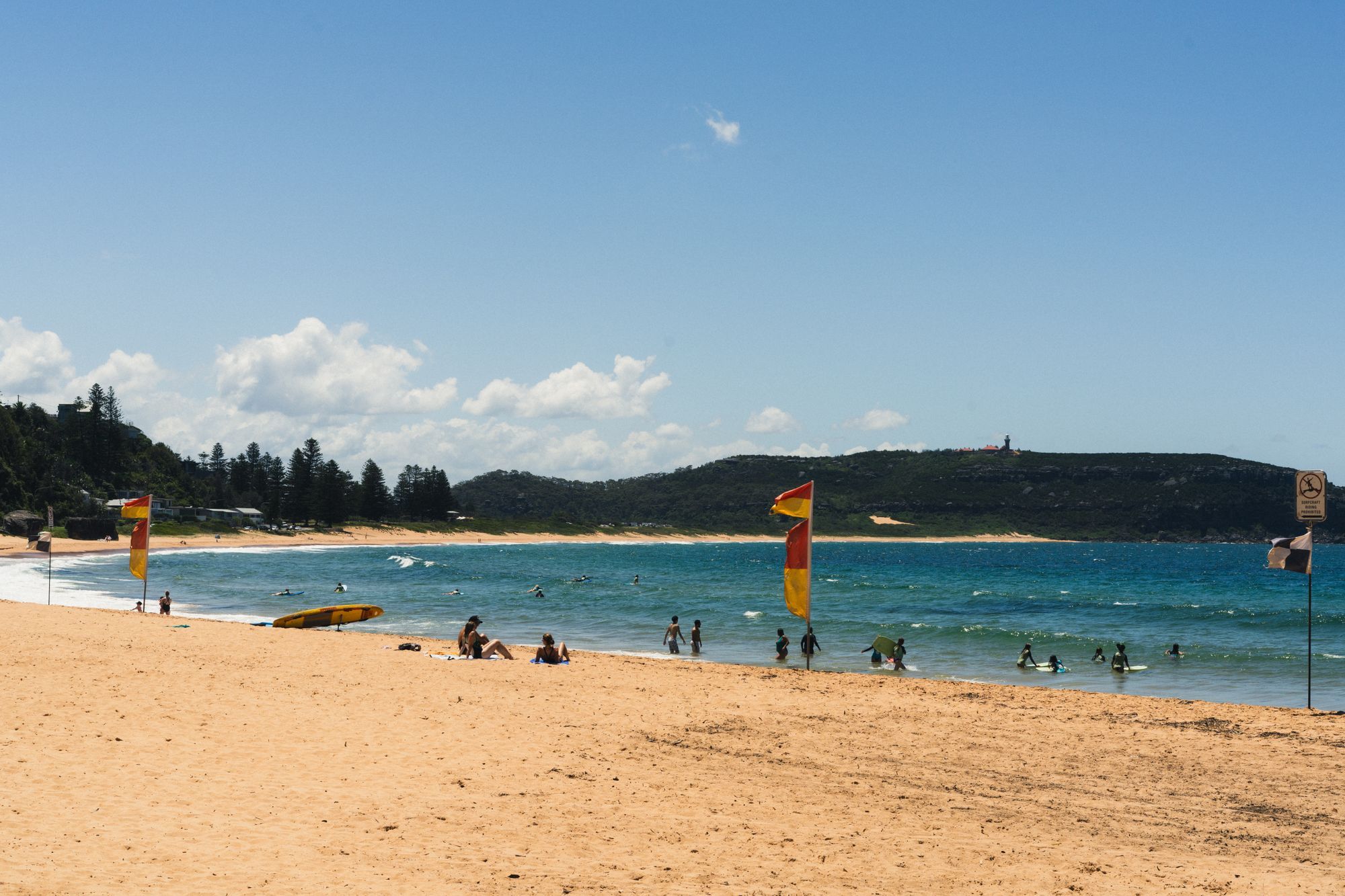
- Swim between the flags at patrolled beaches, where lifesavers watch the water and sound the alarm.
- Get out if you see baitfish, diving birds or dolphins feeding nearby.
- Avoid areas where people are fishing.
- Check the SharkSmart app in New South Wales before you go.
Travelling with children? Our list of the safest beaches in Australia for families picks calm, patrolled spots.
What should you do if a snake bites you in Australia?
Call 000, keep the person completely still and apply a pressure immobilisation bandage. If you see a snake, back away and let it go. Never try to catch or kill one.
St John's first aid for a bite on a limb:
- Call 000 and keep the person lying still and calm.
- Apply a broad pressure bandage over the bite, then bandage the whole limb firmly from the fingers or toes upwards.
- Splint the limb and note the time of the bite.
- Do not wash the bite, cut it, suck it or use a tourniquet.
Wear closed shoes and long trousers on bush walks, and watch where you step.
Are Australian spiders dangerous?
Only two are a real concern, and no spider bite deaths were recorded in the 2000 to 2013 study. Funnel-web spiders are the more serious. The Sydney funnel-web lives from Newcastle to the Illawarra, and dangerous species are found mostly in eastern New South Wales and south-east Queensland. The Australian Reptile Park says no deaths have been recorded since its antivenom program began in 1981.
- Funnel-web bite: call 000, keep still and apply a pressure bandage over the bite and along the whole limb.
- Redback bite: clean the bite, do not apply a pressure bandage, and call the Poisons Information Centre on 13 11 26. Go to hospital if symptoms are severe.
Shake out shoes and gear left outside, and wear gloves when gardening or moving firewood.
Which rock pool and reef animals should you never touch?
Never pick up a small octopus, a cone-shaped shell or anything you cannot identify. Three animals matter most:
- Blue-ringed octopus live in shallow coastal water and rock pools all around Australia, including Tasmania. Bites are extremely rare but can be fatal, and there is no antivenom.
- Cone snails are shells with a venomous sting that can also be fatal, so leave live shells where you find them.
- Stonefish carry venomous spines; wear reef shoes in rocky and reef shallows.
Queensland's Poisons Information Centre advises calling 000 for a blue-ringed octopus bite or cone shell sting, applying a pressure bandage and splint to the limb, and keeping the person still. For a stonefish sting, wash the wound and soak it in hot water, and go to hospital for severe pain or a deep wound.
Are cassowaries, kangaroos and dingoes dangerous?
They can be, but mainly when people feed them, get too close or drive carelessly.
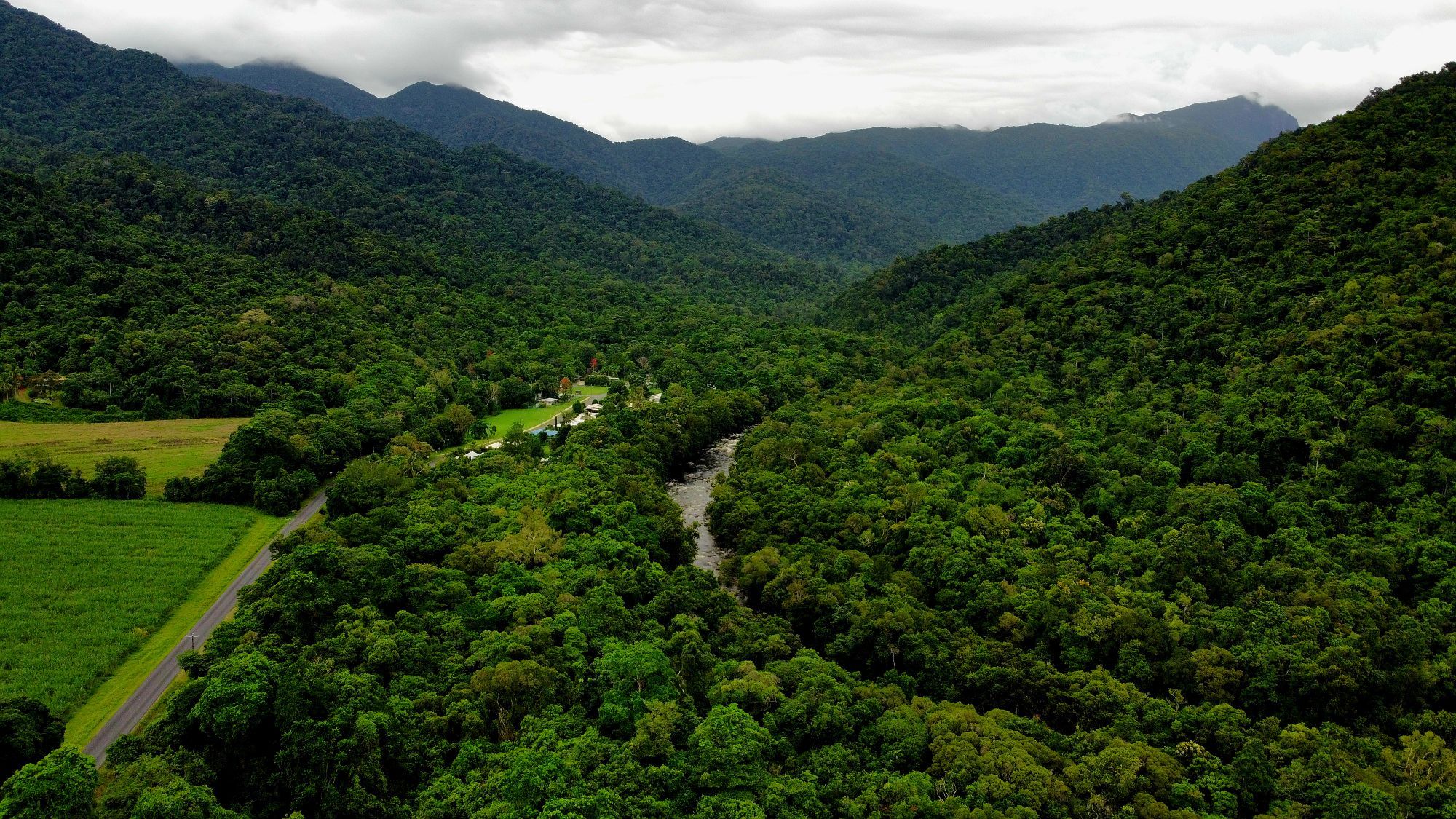
- Cassowaries live in the Wet Tropics and Cape York rainforests and can seriously injure people with their clawed feet. Never approach or feed one, keep away from chicks, and slow down in cassowary areas. See our Queensland rainforest walks.
- Kangaroos are the bigger road risk. Collisions are most likely at dawn and dusk, so avoid driving then in the country. Brake gently instead of swerving.
- Dingoes (wongari) on K'gari are wild animals. Be dingo-safe: keep children, even small teenagers, within arm's reach, walk in groups, carry a stick outside fenced areas and never feed them. Fines apply for feeding or leaving food out.
Are bees and ticks a risk for visitors?
For people with allergies, yes: bees and wasps cause as many venom deaths as snakes, mostly through allergic reactions. Scrape a bee sting out with a fingernail or card and use ice for swelling. If anyone has trouble breathing or collapses, call 000 and start CPR. Carry your own allergy medication if you have one prescribed.
If you walk in the bush, check yourself for ticks afterwards. NSW Poisons Information advises not pulling a tick out with tweezers. Kill it with an ether-based spray or permethrin cream from a pharmacy, then brush it off after 10 minutes. People with a known tick allergy should have this done in hospital.
Facts checked October 2026. First aid guidance and wildlife advice can change; follow the latest official advice, and for any emergency call 000. For poisons advice, call 13 11 26.
- Bee alert but not alarmed: deaths from venomous bites and stings (University of Melbourne)
- Australian Shark-Incident Database 2025 summary (Taronga Conservation Society Australia)
- Be Crocwise (Queensland Government)
- Crocwise fact sheet (Queensland Department of Environment)
- Crocodile safety: Be Crocwise (Northern Territory Government)
- Marine stingers (WorkSafe Queensland)
- Jellyfish stings first aid fact sheet (St John WA)
- How to treat a snake bite (St John WA)
- Sea creature bites and stings (Queensland Poisons Information Centre)
- Bites and stings (NSW Poisons Information Centre)
- Spider venom program (Australian Reptile Park)
- Be dingo-safe on K'gari (Queensland Parks and Wildlife Service)