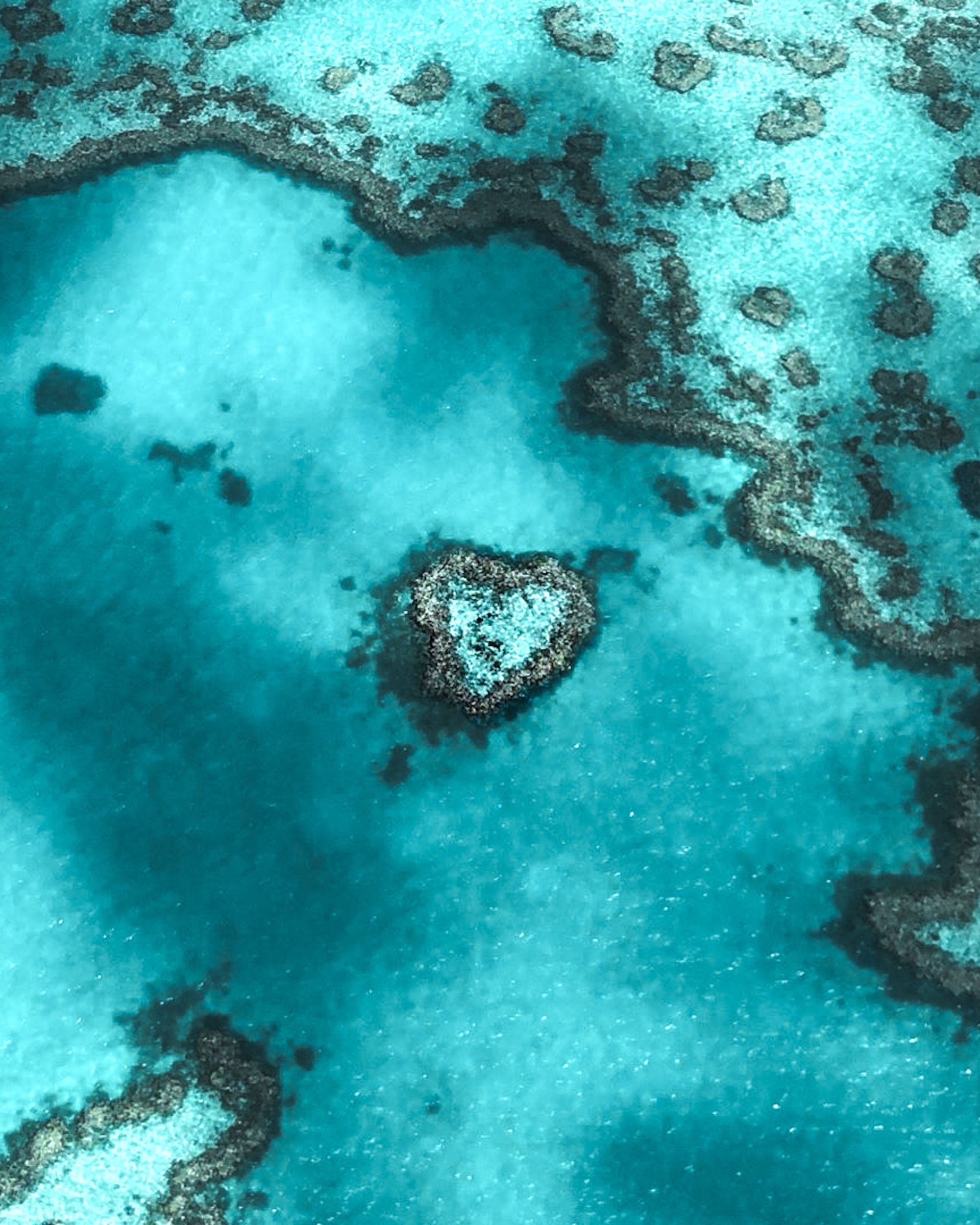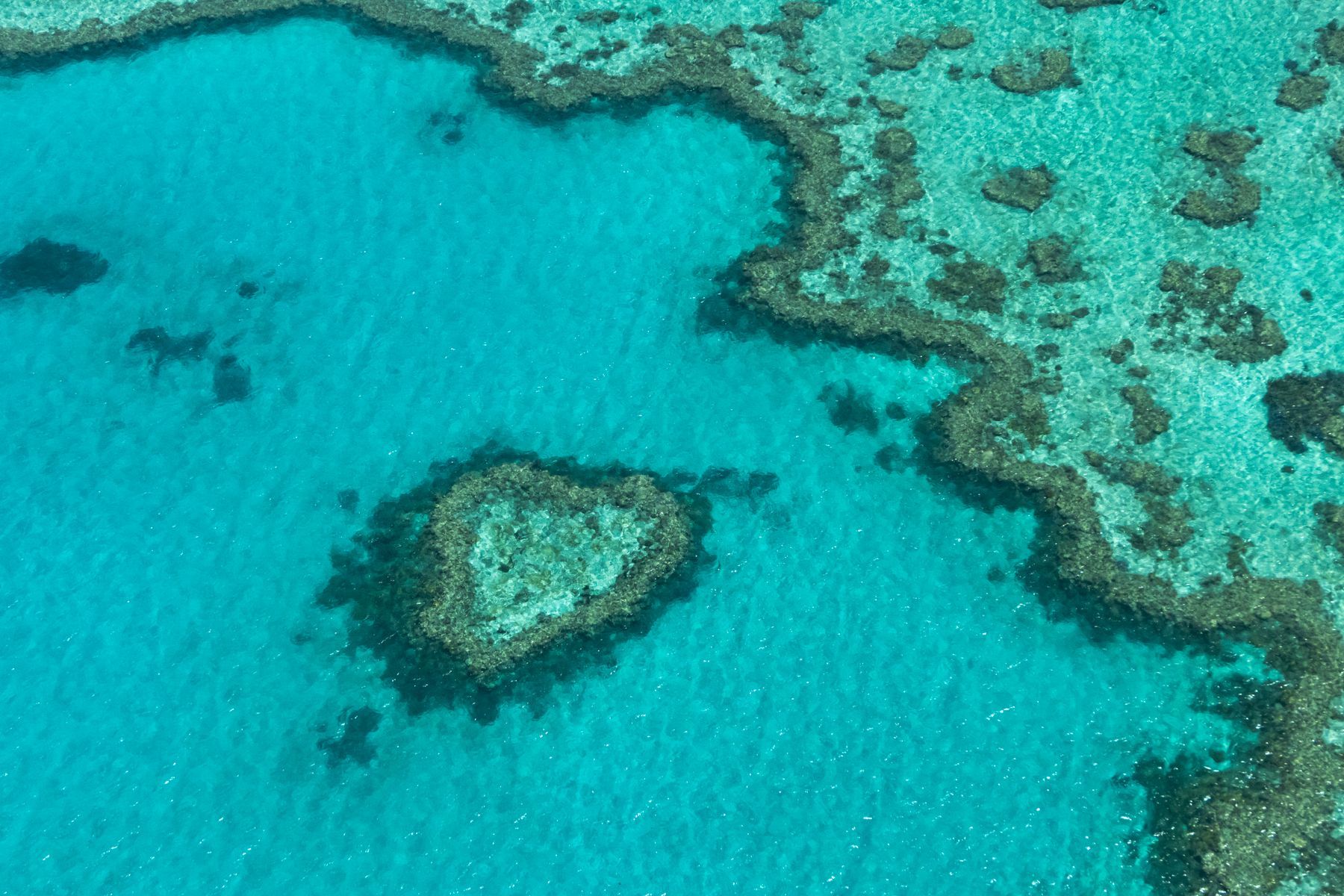
Between the rainforest coast at Mission Beach and the city of Townsville lies the quietest stretch of the Great Barrier Reef that most travellers can easily reach. There are fewer boats and fewer crowds, but you still get an outer reef, island national parks, an underwater art museum and one of Australia's most famous wreck dives. Here is what each trip offers and where to base yourself.
Where is the reef between Mission Beach and Townsville?
It lies off a roughly 200 km stretch of the north Queensland coast, between Cairns to the north and the Whitsundays to the south. Close to shore are big continental islands such as Dunk, Hinchinbrook, Orpheus and Magnetic. Further out, about 40 to 80 km offshore, a band of outer reefs runs parallel to the coast.
Our map numbers five sites, matching the reef-wide dive and snorkel map. Boats for sites 16, 17 and 19 leave from small launch points: Clump Point at Mission Beach, Lucinda and Alva Beach near Ayr. Townsville ferries and reef boats leave from the Breakwater in the city.
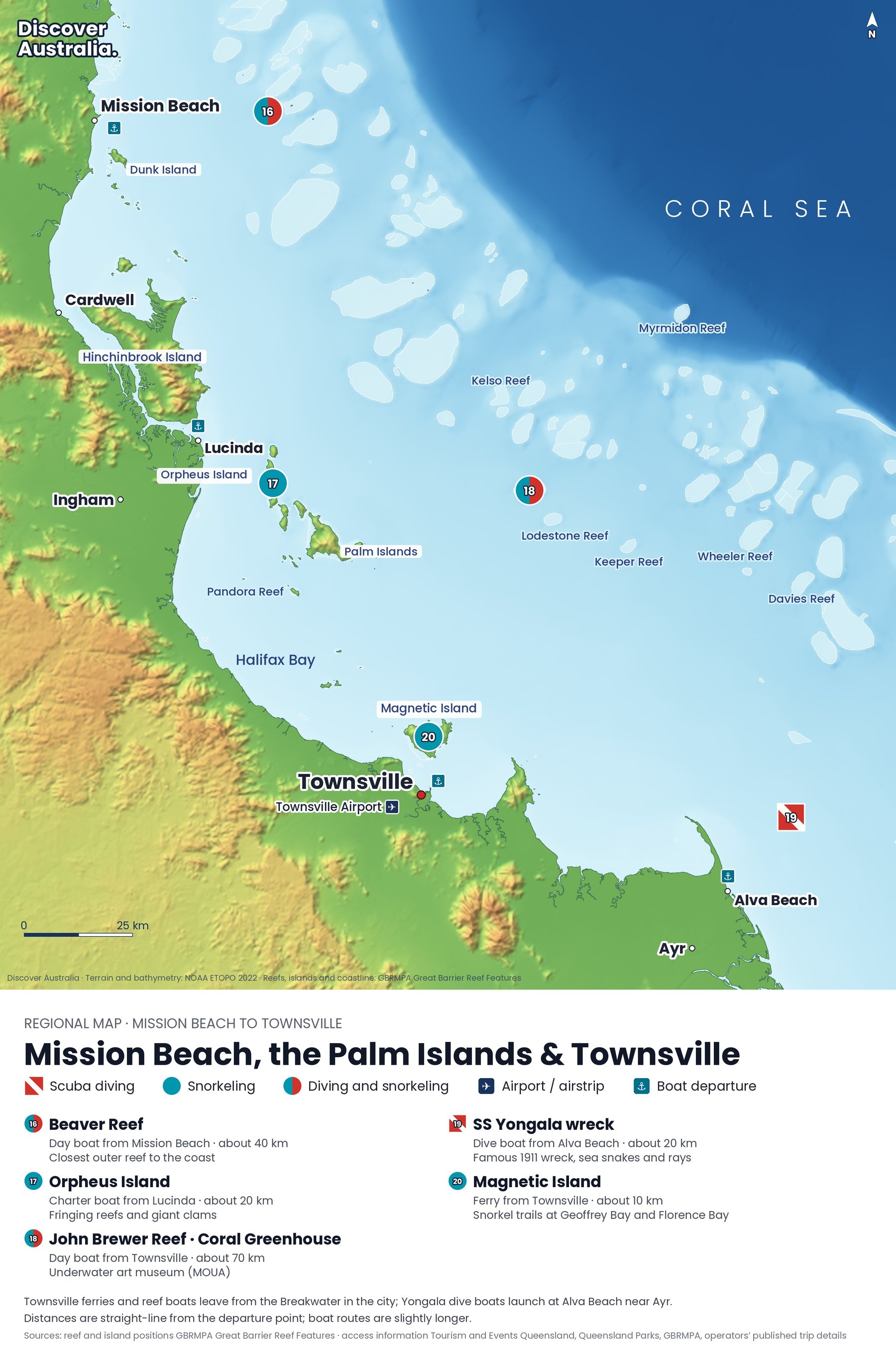
The distances on the map are straight lines from the departure point. Real boat routes are a little longer. For how this region fits into the whole reef, see our Great Barrier Reef map and our Great Barrier Reef guide.
| Map no. | Site | Leave from | Distance | Best for |
|---|---|---|---|---|
| 16 | Beaver Reef | Mission Beach | About 40 km | Snorkelling, small-group outer reef |
| 17 | Orpheus Island | Lucinda (charter) | About 20 km | Fringing reefs, giant clams, camping |
| 18 | John Brewer Reef · Coral Greenhouse | Townsville | About 70 km | Underwater art, snorkelling and diving |
| 19 | SS Yongala wreck | Alva Beach, near Ayr | About 20 km | Experienced scuba divers |
| 20 | Magnetic Island | Townsville (ferry) | About 10 km | Free snorkelling from the beach |
What reef trips leave from Mission Beach?
The main trip is to Beaver Reef (site 16), the closest outer reef to the coast on our map, usually combined with a stop at Dunk Island. One small-group day trip leaves Clump Point at 9am, takes a little over an hour to reach the reef, spends about three hours there and then about two hours on Dunk. In 2026 it cost from about A$255 per adult, with snorkel gear and stinger suits included.
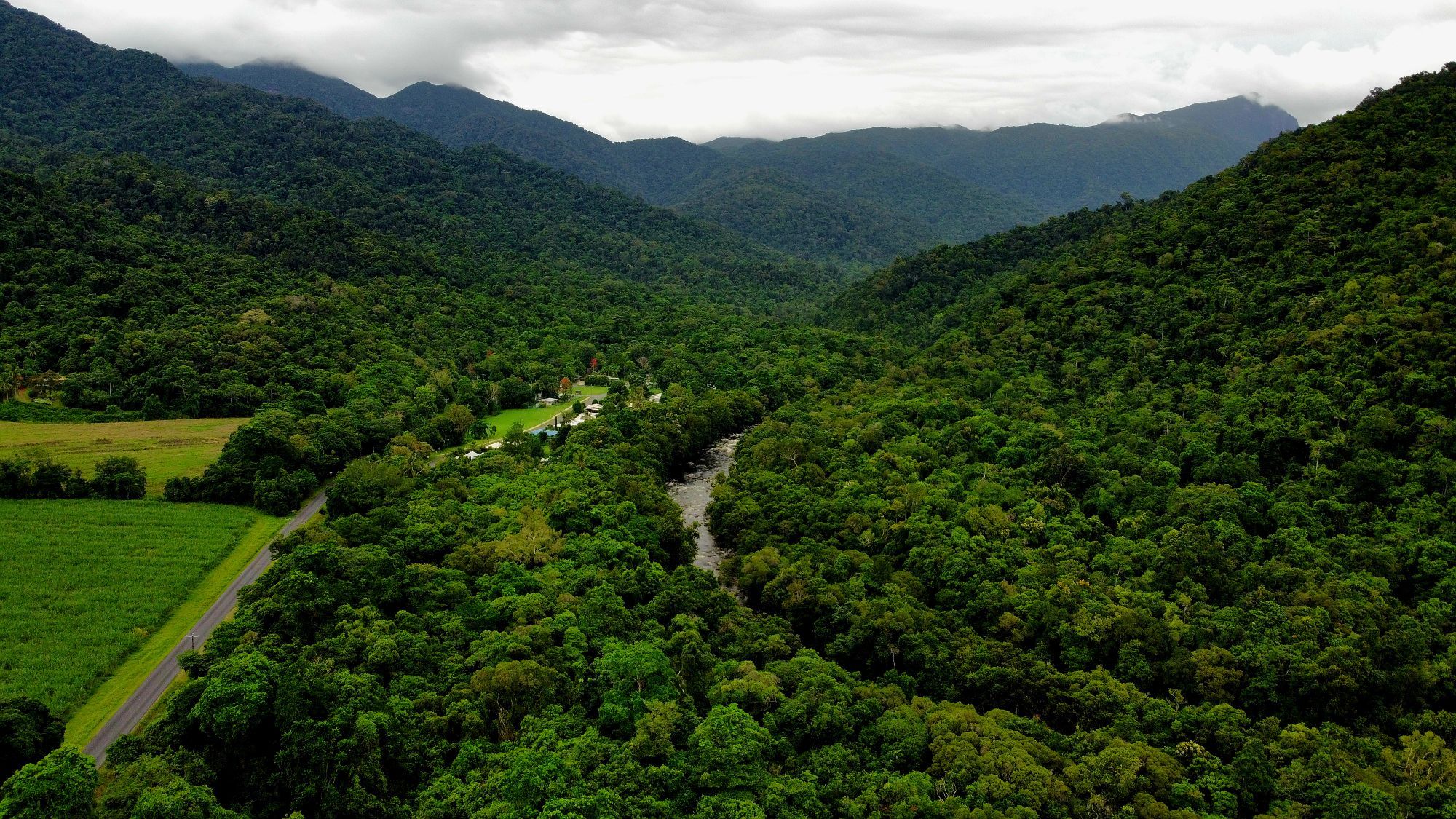
Mission Beach itself is a strip of small villages backed by rainforest, and it is one of the places where southern cassowaries still live in the wild. If you meet one, back away slowly, never feed it, and drive slowly in signed cassowary zones.
Dunk Island lies 4.5 km offshore and is part of Family Islands National Park. Ferries and day trips run from Clump Point, and you can camp with a permit, booked through the island's resort website. The old resort area was damaged by Cyclone Yasi and is private property, so stay out of the buildings and off the airstrip. All boats stop running in strong winds, so leave a spare day.
Can you visit Hinchinbrook and Orpheus Island?
Yes, but both take planning, as neither has a regular ferry timetable like Magnetic Island. They suit walkers, campers and people with a few days to spare.
Hinchinbrook Island is a 39,900-hectare national park of mountains, mangroves and empty beaches off Cardwell. Its Thorsborne Trail runs 32 km along the east coast and needs camping permits, which are limited. April to September is peak season, when permits are hardest to get. The Traditional Owners are the Bandjin and Girramay peoples, and Queensland Parks works with them and the Girringun Rangers to manage the island.
Orpheus Island (site 17), known as Goolboodi, is a national park about 23 km from Dungeness at Lucinda, where charter boats leave. There are no roads. It is known for fringing reefs and giant clams close to shore. You can camp at Yanks Jetty, Pioneer Bay or South Beach with a permit, stay at the island's luxury resort, or visit for the day. James Cook University runs a research station here, and parts of the surrounding water are Marine National Park and Scientific Research zones, so check the zoning before you fish.
What is the Coral Greenhouse at John Brewer Reef?
It is a large underwater sculpture by Jason deCaires Taylor, sitting at about 16 metres on John Brewer Reef (site 18), about 70 km off Townsville. It is the main site of the Museum of Underwater Art (MOUA), which opened its reef installation in 2020.
- The structure: about 12 m tall and 58 tonnes, built from pH-neutral cement and steel so coral can grow on it. MOUA says it holds the Guinness World Record for the largest underwater art structure.
- Snorkel or dive: snorkel areas are about 4 to 6 m deep and dive areas about 12 to 18 m. Divers get the best view of the Greenhouse itself; snorkellers can see the shallower Ocean Sentinels next to it, figures honouring people from Australian marine science.
- The trip: one operator's day boat boards in Townsville at 7am, picks up on Magnetic Island and returns about 5pm. In 2026 a snorkelling day cost from about A$394 per adult.
Spaces are limited and trips run on set days, so book ahead. Like every reef day trip, your ticket includes the Reef Authority's environmental management charge, now A$8.50 per person for a full day and rising to A$9.00 on 1 April 2027.
Can you snorkel on Magnetic Island?
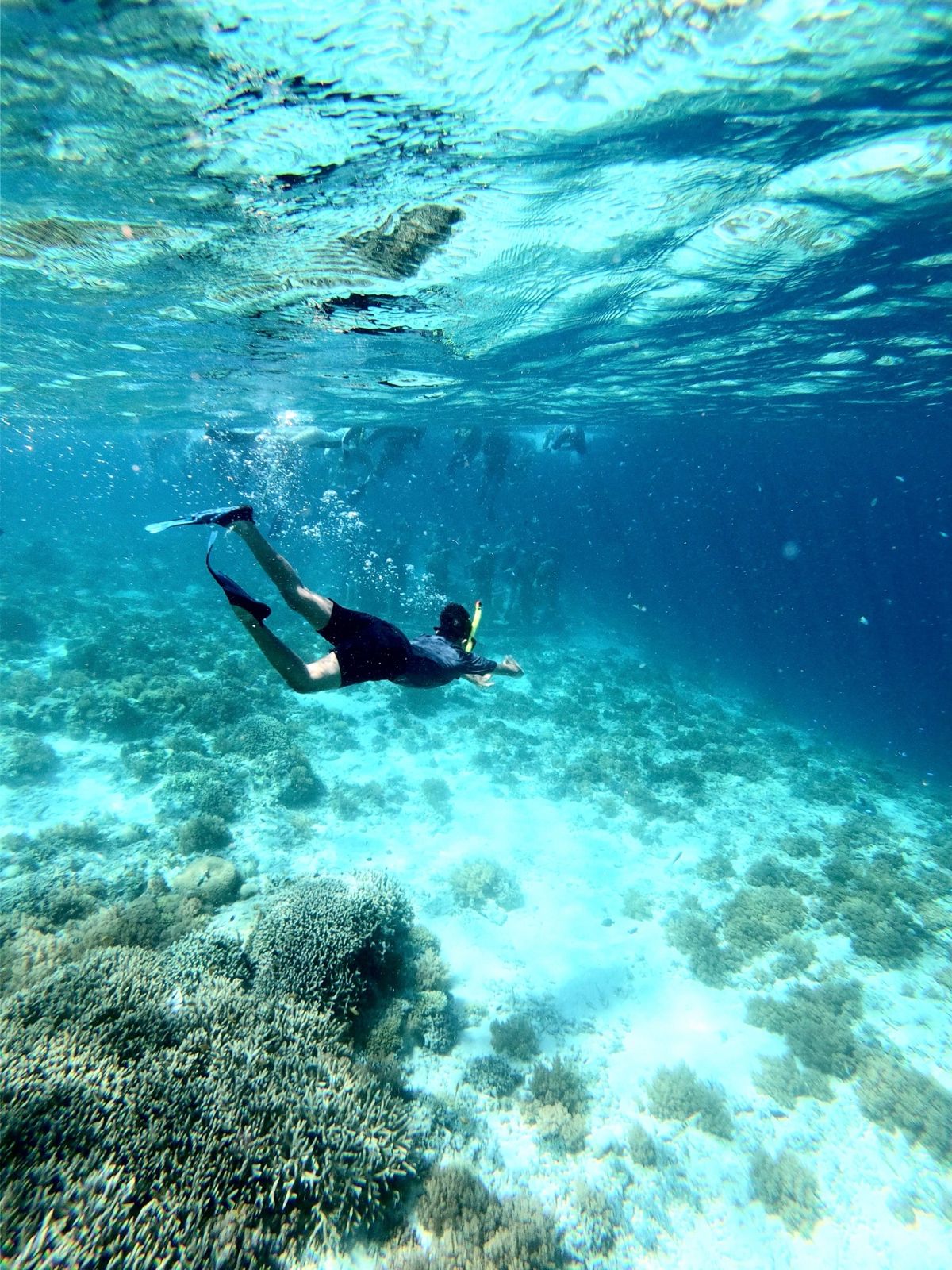
Yes, and it is the cheapest reef snorkelling in this region: you can swim straight off the beach. Magnetic Island (site 20) is about 20 minutes from Townsville by ferry, with up to 17 return services a day.
- Nelly Bay Snorkel Trail: starts about 100 m off the beach and suits beginners. White floats mark the route, past corals and eight giant clams.
- Geoffrey Bay Snorkel Trail: starts about 390 m out, at the Arcadia end of the bay. It passes the wreck of the Moltke, scuttled off the island in 1911, and stronger swimmers can find the engine and propeller of a Second World War Curtiss Falcon aircraft.
- Florence and Arthur bays: Queensland Parks names the northern sides of these quieter bays as good snorkelling spots, best in calm weather.
Swim cards for the trails cost a A$5 donation at local outlets, and snorkel gear and stinger suits can be hired on the island. Avoid low tide, when coral is exposed, and never stand on it. Out of the water, the Forts Walk is one of the best places on the island to see wild koalas in the trees. For more ideas, see the best Great Barrier Reef islands to visit.
Is the SS Yongala worth diving?
For experienced divers, yes: the Yongala (site 19) is widely called one of Australia's best wreck dives. The passenger steamship sank in a cyclone on 23–24 March 1911 off Cape Bowling Green, and all on board, at least 122 people, were lost. Fishers found the wreck in 1958, and it was identified in 1961.
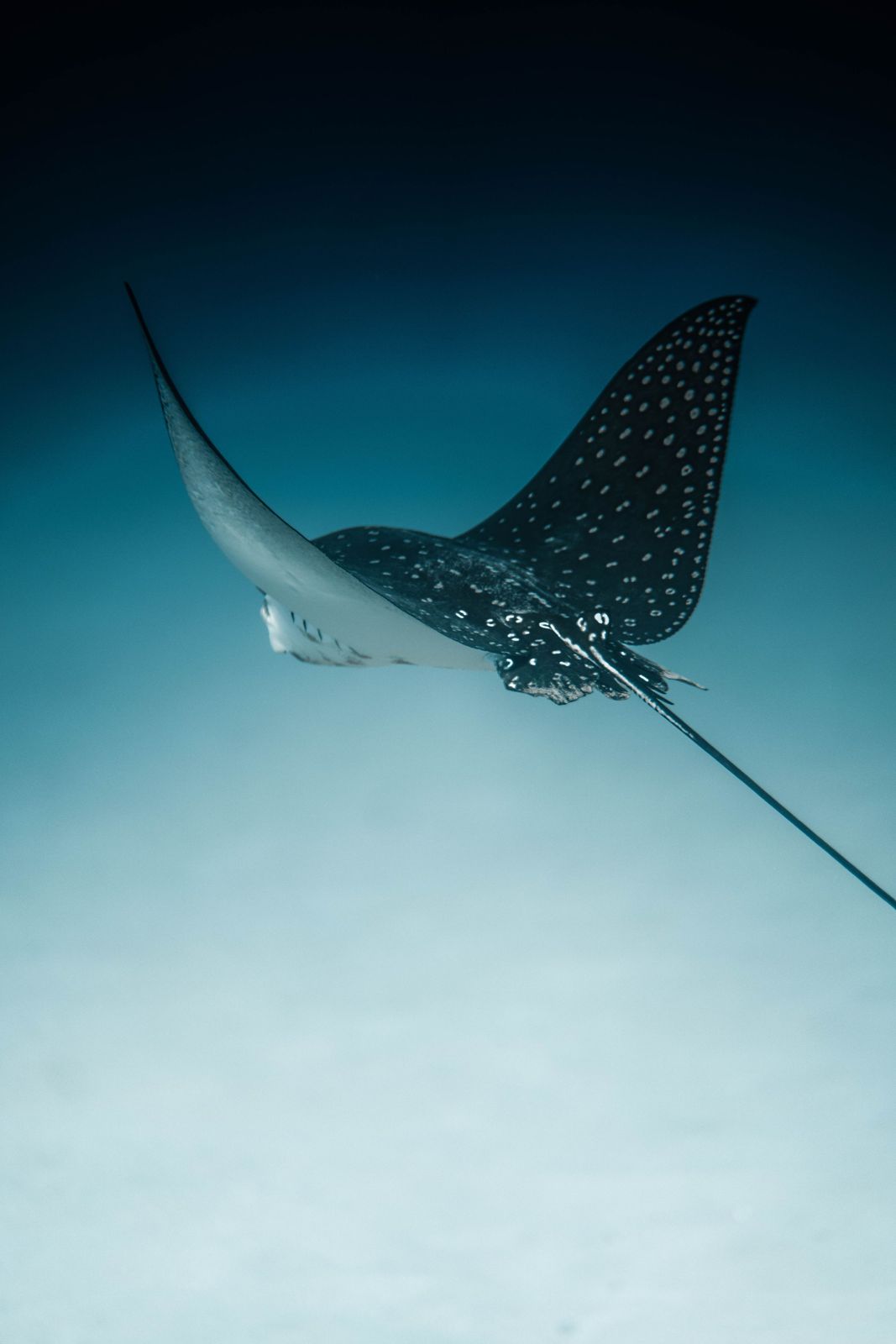
The 109 m hull lies on its side in about 30 m of water, with its highest parts about 16 m below the surface. Alone on a sandy seabed, it attracts huge amounts of life. Sea snakes, rays, humphead wrasse and big schools of fish are common sights around the hull.
- Getting there: day boats launch from Alva Beach near Ayr, about 30 to 40 minutes each way. One two-dive day cost from about A$400 in 2026.
- Who can dive: currents and depth make this an advanced dive. One operator asks for Advanced Open Water certification (or training towards it) and at least 10 logged dives beyond your courses.
- The rules: the wreck is protected under the Underwater Cultural Heritage Act 2018. A 797 m protected zone surrounds it, entry needs a permit (licensed operators hold one), anchoring is banned, and you must not enter the wreck or touch or remove anything.
Treat it as a grave site as well as a reef. For other wrecks and dive sites, see Great Barrier Reef snorkelling and diving.
Can tourists visit the Palm Islands?
Great Palm Island is not a tourist destination. It is home to the Palm Island (Bwgcolman) Aboriginal community, about 65 km north-east of Townsville, with just over 2,000 residents at the 2021 Census. The Manbarra people are the Traditional Owners. "Bwgcolman" refers to the many people of the island: people from more than 50 different groups were sent there under government policy, starting in 1918.
There is no resort and no reef tour industry on the island, and this guide does not suggest visiting. If you have a reason to go, contact the Palm Island Aboriginal Shire Council first. You will see the islands from the water on trips to Orpheus. For more on visiting Country with care, read how to visit Australia respectfully.
How do you stay safe in the water here?
Wear a full-body stinger suit, especially in warmer months. Dangerous jellyfish can be present in these coastal waters at any time, and stinger season runs roughly from November to May. Magnetic Island has stinger-resistant enclosures at Picnic and Horseshoe bays, but they do not guarantee protection.
- Crocodiles: saltwater crocodiles live in rivers, coastal waters and even around offshore islands, including Dunk. Obey warning signs and never swim in creeks or estuaries.
- Lifeguards: Horseshoe Bay on Magnetic Island is patrolled daily, and Alma and Picnic bays are patrolled on weekends and in school holidays from September to May.
- Weather: strong winds cancel boats, especially to the outer reef and the Yongala. Keep your plans flexible.
In an emergency, call 000. Our guides to dangerous animals in Australia and ocean safety cover official first aid. For the stinger, whale and weather months across the reef, see the best time to visit the Great Barrier Reef.
Should you base yourself in Mission Beach or Townsville?
Choose Mission Beach for rainforest, quiet beaches and small-group reef trips; choose Townsville for the most choice, Magnetic Island and the Yongala. Many travellers driving the coast do both.
| Mission Beach | Townsville and Magnetic Island | |
|---|---|---|
| Feel | Small villages, rainforest, cassowaries | A city plus a relaxed island 20 minutes away |
| Reef trips | Beaver Reef and Dunk Island | John Brewer Reef, MOUA, Magnetic Island, Yongala |
| Islands | Dunk; Hinchinbrook and Orpheus to the south | Magnetic Island; Orpheus by charter |
| Getting there | Drive from Cairns or Townsville | Townsville Airport, close to the city |
| Best for | Slow travel, nature, couples | Families, divers, travellers without a car |
If you want the busiest choice of pontoons and outer reef boats, Cairns, Port Douglas and Airlie Beach have far more; compare them in Cairns vs Port Douglas vs Airlie Beach and our Great Barrier Reef tours guide. To keep going along the coast, read our other regional reef guides: the Far North and Ribbon Reefs, Port Douglas, Cairns, the Whitsundays and the Southern Great Barrier Reef.
Facts checked October 2026. Trip prices, ferry timetables, permit rules and charges change often; confirm with the operator, Queensland Parks or the Reef Authority before you go.
- SS Yongala: history, wreck site and protection (Wikipedia)
- Visiting maritime heritage sites (Great Barrier Reef Marine Park Authority)
- SS Yongala day trip from Alva Beach (Yongala Dive)
- Coral Greenhouse (Museum of Underwater Art)
- Great Barrier Reef and MOUA day trip from Townsville (Adrenalin Snorkel and Dive)
- Best snorkelling spots on Magnetic Island (SeaLink)
- Magnetic Island National Park: things to do (Queensland Parks and Wildlife Service)
- Family Islands National Park: visiting safely (Queensland Parks and Wildlife Service)
- Outer Great Barrier Reef and Dunk Island day trip (Dunk Island Reef Adventures)
- Orpheus Island National Park: visiting safely (Queensland Parks and Wildlife Service)
- Thorsborne Trail, Hinchinbrook Island National Park (Queensland Parks and Wildlife Service)
- Palm Island (Bwgcolman) community profile (National Indigenous Australians Agency)
- Environmental management charge rates (Great Barrier Reef Marine Park Authority)