Western Australia covers a third of the continent, and most of it is empty. Perth is one of the most isolated big cities on Earth, and beyond it lie wild reefs, red gorges and coastlines you may share with no one. Come with time, and plan the distances.
Perth and Rottnest
Perth spreads along the Swan River to beaches such as Cottesloe and Scarborough, with Fremantle and its old port streets at the river mouth. Ferries cross to Rottnest Island, Wadjemup, a car-free island of bays and bike tracks, and home of the quokka, the small wallaby famous for its smile. It is illegal to feed them, and you should never touch one.
Three hours south of Perth, the Margaret River region combines vineyards and surf breaks with tall forests and limestone caves. From about June to October, waves of wildflowers bloom across the state; more than 12,000 species of flora grow here, many of them found nowhere else.
Ningaloo and Shark Bay
Ningaloo, World Heritage listed since 2011, is one of the world's longest near-shore reefs: at Coral Bay and near Exmouth you can wade in from the beach. Whale sharks gather offshore from about March to July. Further south, Shark Bay has the stromatolites of Hamelin Pool and the wild dolphins of Monkey Mia.
The Kimberley and the far south
In the far north, Broome is known for pearling history and the long sunsets of Cable Beach. Beyond it the Kimberley is a remote land of gorges, waterfalls and ancient rock art, best explored by 4WD or boat in the dry season, roughly May to October.
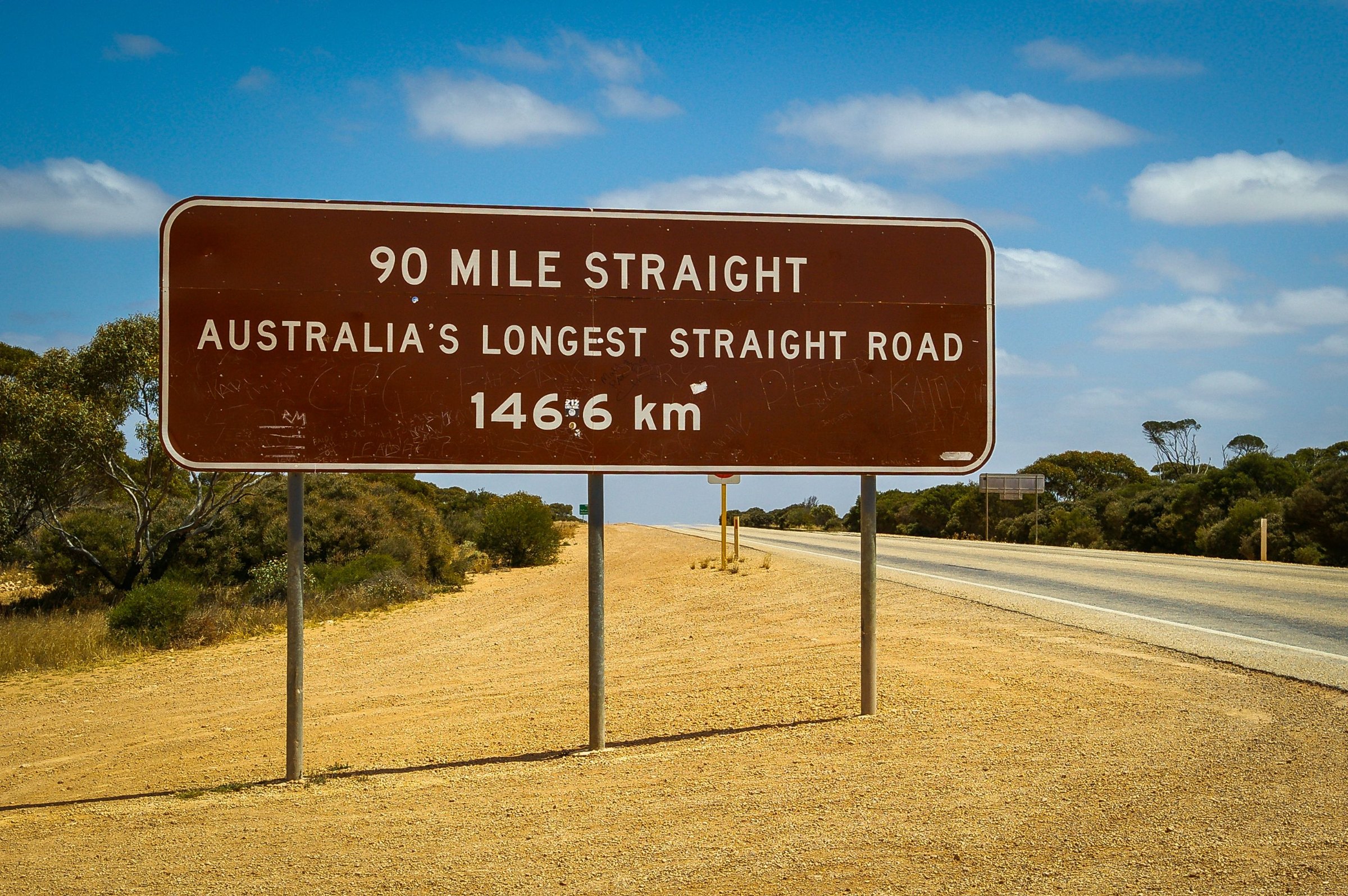
On the south coast, kangaroos often laze on the white sand of Lucky Bay near Esperance. East of there, the Eyre Highway crosses the treeless Nullarbor Plain.
Getting there
Perth Airport (PER) has direct flights from the east coast, Asia and beyond. Outside the city, towns are far apart and fuel stops sparse, so plan ahead or fly between regions.