Cairns is the busiest gateway to the Great Barrier Reef, with island ferries and outer reef boats leaving the city centre every morning. This guide maps the seven reef and island trips most visitors choose, from Green Island and Fitzroy Island to Michaelmas Cay and the outer reef pontoons, and helps you pick the right one for your group.
Is Cairns a good base for the Great Barrier Reef?
Yes. Cairns has the widest choice of reef trips anywhere on the coast, an international airport and beds at every price. From one terminal you can reach two islands, a seabird cay and more than half a dozen outer reefs, all in a day.
The trade-off is the beach. Cairns has a mudflat waterfront rather than a sandy shore, so most visitors swim in the free Esplanade Lagoon and save the coral for a boat day. If you want a beach town as well, compare the options in Cairns vs Port Douglas vs Airlie Beach, or head north with our Port Douglas reef guide.
Cairns covers the middle of the northern reef. For the bigger picture, start with our Great Barrier Reef guide and the full Great Barrier Reef map.
Where do reef boats leave from in Cairns?
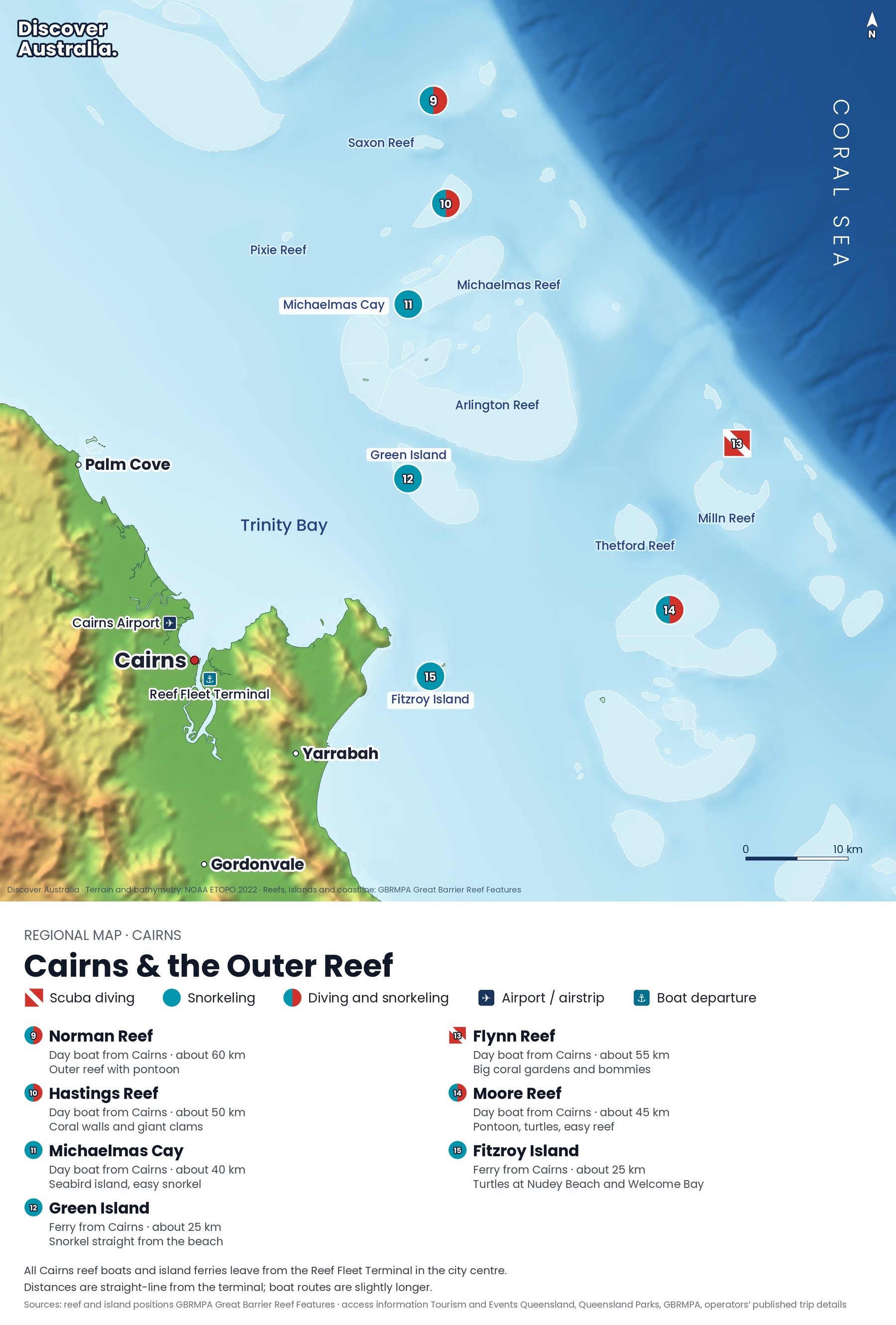
Almost all Cairns reef boats and island ferries leave from the Reef Fleet Terminal at the marina in the city centre, within walking distance of most hotels. Check-in usually closes about 30 minutes before departure, and boats do not wait for late arrivals.
The map shows seven trips, numbered 9 to 15. Distances are straight-line from the terminal, so the boat route is slightly longer.
| Map | Site | Distance | Best for |
|---|---|---|---|
| 9 | Norman Reef | About 60 km | Outer reef with a pontoon |
| 10 | Hastings Reef | About 50 km | Coral walls and giant clams |
| 11 | Michaelmas Cay | About 40 km | Seabirds and an easy snorkel |
| 12 | Green Island | About 25 km | Snorkelling straight from the beach |
| 13 | Flynn Reef | About 55 km | Big coral gardens and bommies |
| 14 | Moore Reef | About 45 km | Pontoons, turtles, an easy reef |
| 15 | Fitzroy Island | About 25 km | Turtles at Nudey Beach and Welcome Bay |
The islands are about 45 minutes away by fast catamaran. The outer reef takes longer: one Moore Reef operator quotes about 1 hour 45 minutes out and 90 minutes back, depending on the sea.
Is Green Island or Fitzroy Island better for snorkelling?
Green Island is easier for a first snorkel, while Fitzroy Island suits travellers who also want rainforest walks and a quieter feel. Both are about 25 km from Cairns and both let you snorkel without another boat ride.
Green Island (site 12)
Green Island is a true coral cay of about 12 hectares, built over thousands of years from sand and coral rubble. It has been a national park since 1937, and the island and its reef are part of the sea country of the Guru-Gulu Gungandji people, who know it as Wunyami.
You walk off the jetty onto sand and snorkel over seagrass and coral straight from the beach. There is a boardwalk through the island's forest, plus showers, a pool and glass-bottom boat trips run by the ferry company. The ferry takes about 45 minutes, and you get up to seven hours on the island.
Fitzroy Island (site 15)
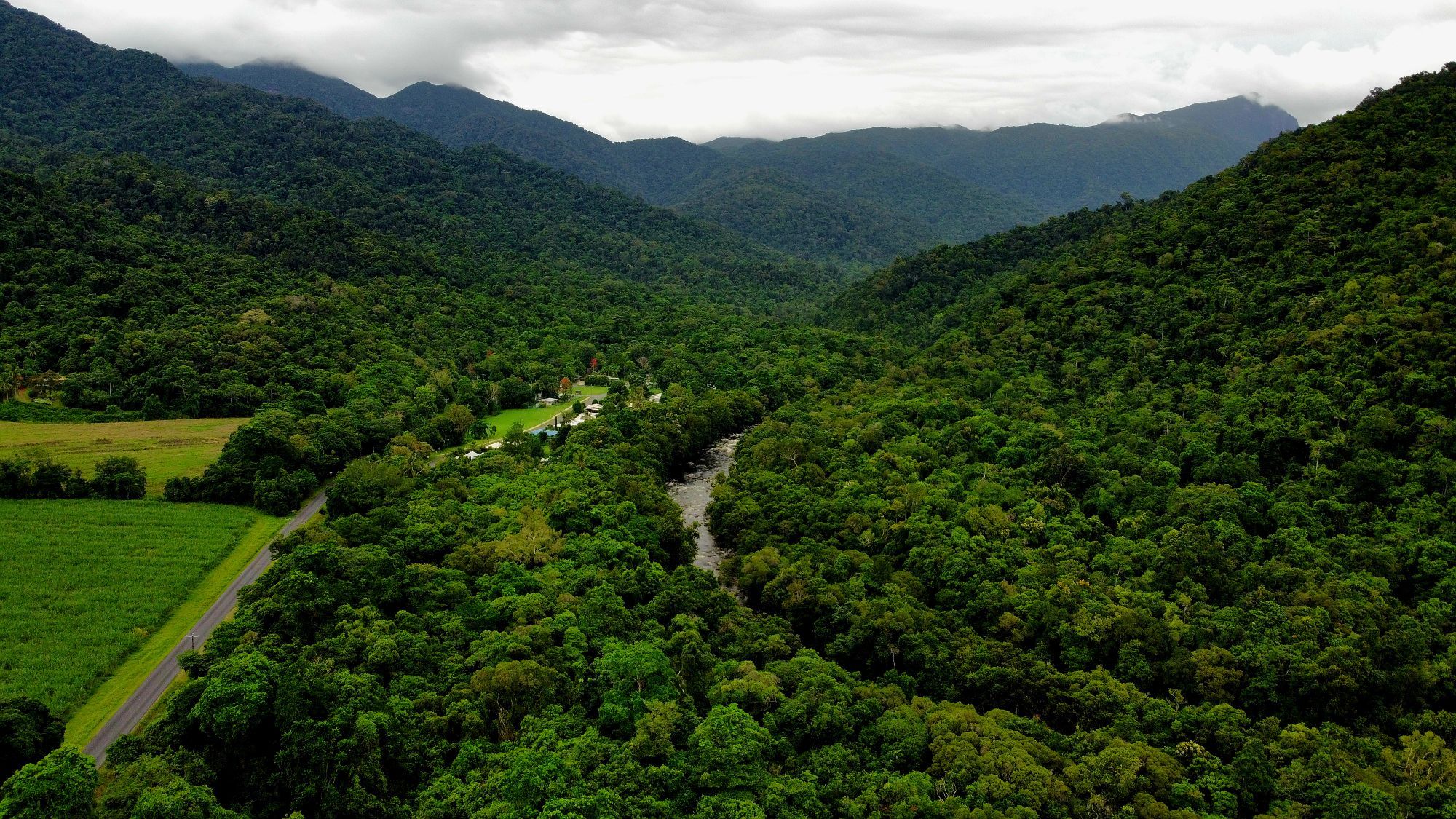
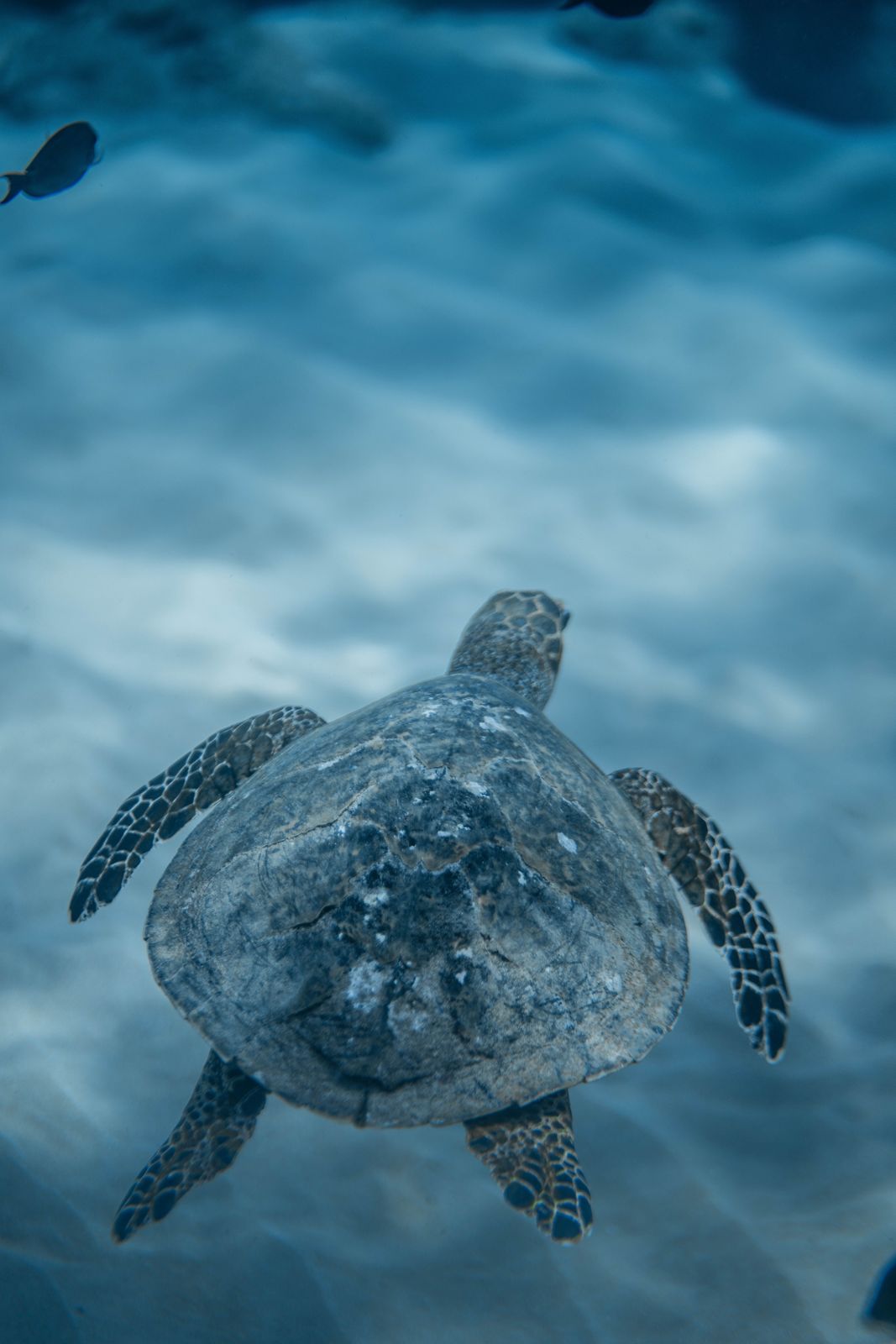
Fitzroy is a high, rainforest-covered continental island, and about 97% of it is national park. Welcome Bay, beside the resort, has fringing reef just off the beach, with green turtles often grazing on seagrass in the shallows.
A 1.2 km track (allow about 45 minutes) leads to Nudey Beach, a small beach of coral rubble rather than soft sand, so take reef shoes. Fitzroy also has a turtle rehabilitation centre that cares for sick and injured turtles; visits run at set times and are booked as an add-on. Fit walkers can climb the Summit Track to the 269 m high point, but only if they catch the early ferry.
Neither island has lifeguards on the reef, so snorkel with a buddy. Our guide to Great Barrier Reef islands covers staying overnight.
Is Michaelmas Cay worth visiting?
Yes, if you like birds as much as fish. Michaelmas Cay (site 11) is a small sand cay about 40 km north-east of Cairns and one of Queensland's largest sooty tern colonies, with up to 20,000 breeding pairs of seabirds at a time.
Four ground-nesting species breed here: brown noddies, sooty terns, crested terns and lesser crested terns. The noise and smell are part of the experience. The snorkelling is shallow and gentle, off a sandy beach, which makes it a good choice for nervous swimmers and children.
Because the birds nest on open sand, access is tightly controlled:
- Roped area only: visitors may land only inside the roped-off section of beach. The rest of the cay is closed.
- Set hours: the roped area is open from 9.30am to 3pm.
- Quiet please: drones, horns, loudspeakers, kites and beach umbrellas are banned, and you must not touch birds, chicks or eggs.
Day boats to Michaelmas usually pair it with a second stop on the outer reef. One small-group operator, Seastar Cruises, combines the cay with Hastings Reef (site 10), an outer reef known for coral walls and giant clams.
Which outer reef is best from Cairns?
There is no single best reef: the right one depends on whether you want a pontoon with facilities or a smaller boat that moves between sites. Outer reefs sit further from the coast than the islands, so the water is usually clearer and the coral more varied.
- Moore Reef (site 14): about 45 km out and the main pontoon reef. Sunlover's pontoon has a semi-submersible and a 30 m waterslide into the lagoon. Reef Magic's three-level pontoon has an underwater observatory and caps guests at 250.
- Norman Reef (site 9): about 60 km out at the northern end of the map, an outer reef with a pontoon and a longer ride to match.
- Hastings Reef (site 10): about 50 km out, near Michaelmas Cay, with coral walls and giant clams.
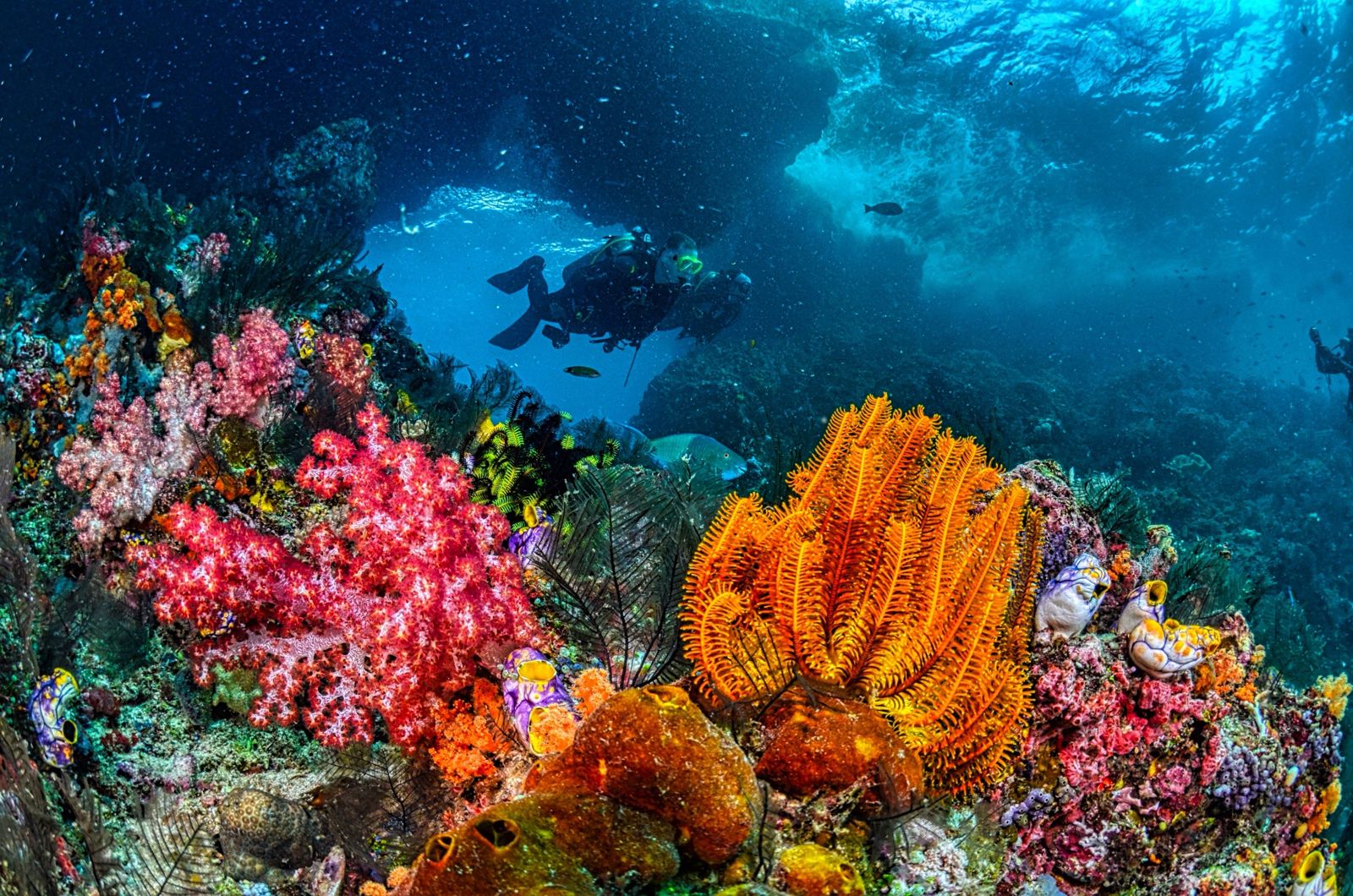
- Flynn Reef (site 13): about 55 km out, with large coral gardens and bommies (coral heads). It is a favourite of dive boats.
- Milln and Thetford reefs: next to Flynn on the map. The dive and snorkel boat Silverswift visits three sites a day chosen from Flynn, Pellowe, Milln and Thetford.
Arlington, Saxon and Pixie reefs also appear on the map. Crews pick sheltered sites on the day, so treat any named reef as a likely stop, not a promise. For a deeper look at the dive sites, see Great Barrier Reef snorkelling and diving.
Which Cairns reef trip is best for you?
First-timers and non-swimmers should choose a pontoon, birdwatchers should go to Michaelmas Cay, and divers should look at Flynn, Milln and Norman reefs. Here is how the trips match different travellers.
| Traveller | Best trip | Why |
|---|---|---|
| First-timers, non-swimmers | Moore or Norman Reef pontoon | Stable platform, semi-sub or observatory, shaded deck |
| Families with young children | Green Island or a pontoon | Short ferry, beach entry, showers and food on site |
| Birdwatchers | Michaelmas Cay | Thousands of nesting terns and noddies |
| Turtle lovers | Fitzroy Island or Moore Reef | Turtles in Welcome Bay and on the outer reef |
| Confident snorkellers | Small boat to Hastings or Flynn | Fewer people, two or three different sites |
| Certified divers | Flynn, Milln, Norman or a liveaboard | Bommies, walls and more dives per day |
| Short on time | Green or Fitzroy Island half day | 45 minutes each way, back by mid-afternoon |
Pontoons can be busy, but they handle rough days well and suit mixed groups where not everyone will swim. Smaller boats feel more personal and visit more than one reef, but they move around more in a swell. If you get seasick, sit low and near the middle, and pick a calm-weather day if your plans allow.
Keen divers can stay out overnight. Liveaboards from Cairns run two or three days on the outer reef; on one two-day trip, certified divers can log six dives including a night dive. For the far north, including the Cod Hole and Osprey Reef, see our Ribbon Reefs and far north guide. More advice on choosing an operator is in how to choose a Great Barrier Reef tour.
How much does a reef trip from Cairns cost?
An island ferry costs from about A$110 return per adult, and a full outer reef day trip costs about A$300 to A$350 per adult. Prices for Cairns operators usually run from 1 April to 31 March.
- Green Island ferry: A$112 per adult return, A$56 for children aged 4 to 14, for 1 April 2026 to 31 March 2027.
- Fitzroy Island ferry: A$109 per adult for the ferry alone, with island packages from about A$134.
- Outer reef pontoon: one Moore Reef pontoon day was A$317 per adult when we checked in October 2026, including lunch, the reef charge and a fuel surcharge.
- Extras: introductory dives, certified dives, helicopter flights and guided snorkel tours cost extra.
Every reef visitor pays the Reef Authority's environmental management charge, which operators include in the ticket: A$8.50 for a full day or A$4.25 for a part day. It rises to A$9.00 and A$4.50 from 1 April 2027.
Book a few days ahead in school holidays, and leave a spare day in case strong winds cancel your trip. Our best time to visit the Great Barrier Reef guide covers the trade-wind months.
When is stinger season in Cairns?
Marine stinger season in tropical Queensland typically runs from November to May, when the risk from box jellyfish and Irukandji is highest. Stingers can be present all year, so wearing a full-length lycra suit is wise in any month.
Reef operators supply lycra suits along with mask, snorkel and fins, and Fitzroy Island recommends one for snorkelling off the beach in season. Swim where the crew tells you, keep your suit on, and tell a crew member straight away if you are stung. In an emergency, call 000. Our guides to ocean safety in Australia and dangerous animals explain the risks in more detail.
For a swim in the city, the Esplanade Lagoon is free and open from 6am to 9pm, except on Wednesdays, when it opens at noon for cleaning.
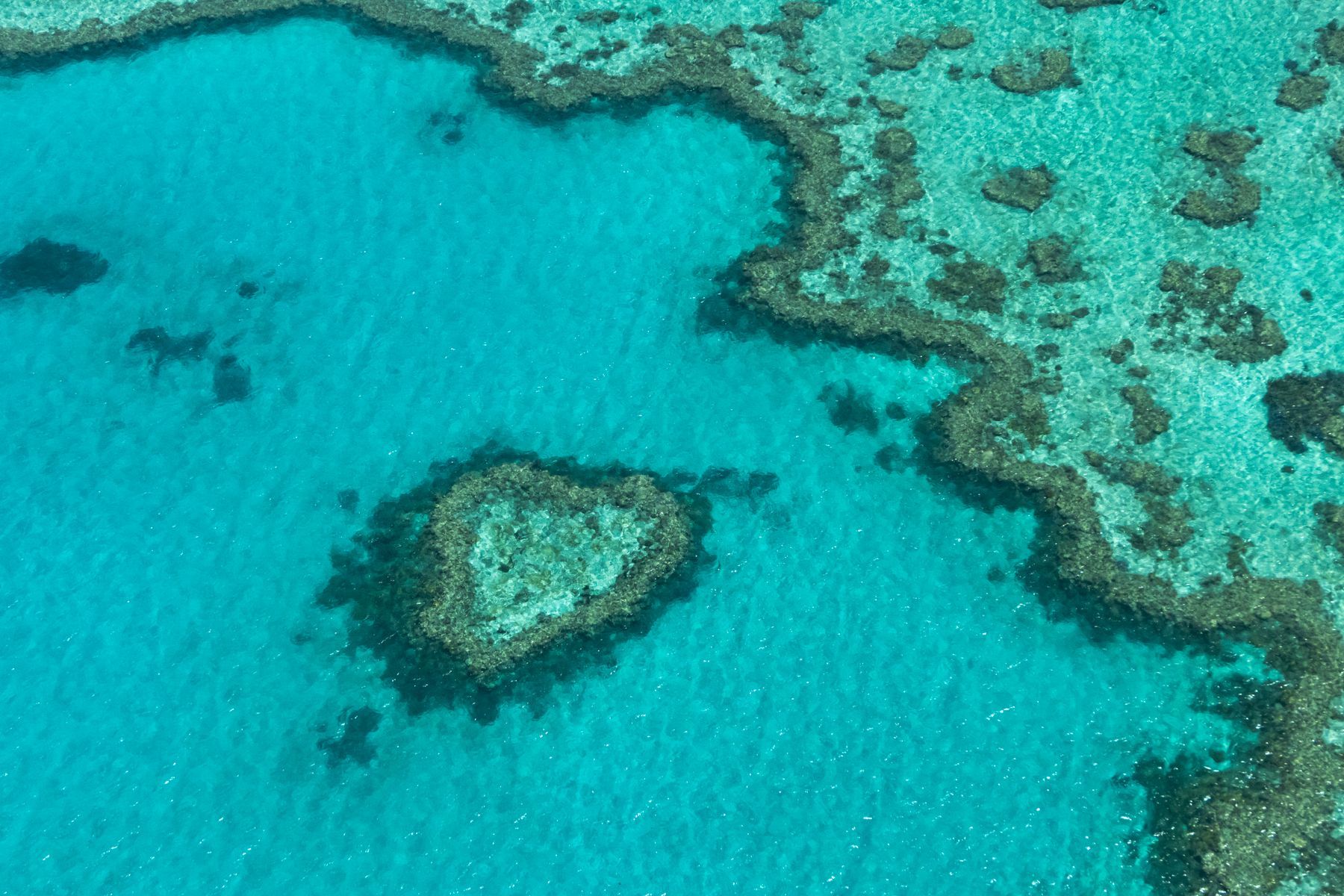
Heading south afterwards? Our Mission Beach to Townsville guide covers Magnetic Island and the SS Yongala, the Whitsundays reef guide covers Heart Reef and the island bays, and the southern Great Barrier Reef guide covers Lady Elliot and Heron islands.
Facts checked October 2026. Fares, timetables and park rules change, usually each April; confirm with your operator and Queensland Parks before you travel.
- Green Island ferry times and fares (Great Adventures)
- About Green Island National Park (Queensland Parks and Wildlife Service)
- Fitzroy Island visitor guide (Fitzroy Island Resort)
- Fitzroy Island day trip guide (Sunlover Reef Cruises)
- About Michaelmas and Upolu Cays National Park (Queensland Parks and Wildlife Service)
- Visiting Michaelmas and Upolu cays safely (Queensland Parks and Wildlife Service)
- Moore Reef pontoon day trip (Sunlover Reef Cruises)
- Reef Magic pontoon (Queensland Department of Tourism)
- Seastar Cruises Cairns (Tourism and Events Queensland)
- Silverswift Dive and Snorkel Adventures (Tourism and Events Queensland)
- Environmental management charge rates (Great Barrier Reef Marine Park Authority)
- Marine stingers (WorkSafe Queensland)