In the summer of 2024, the water over the Great Barrier Reef stayed too hot for too long, and corals from the far north to the southern reefs turned white. It was the fifth mass bleaching since 2016. Here is what the surveys found, and what scientists measured on the reefs afterwards.
Why is the Great Barrier Reef special?
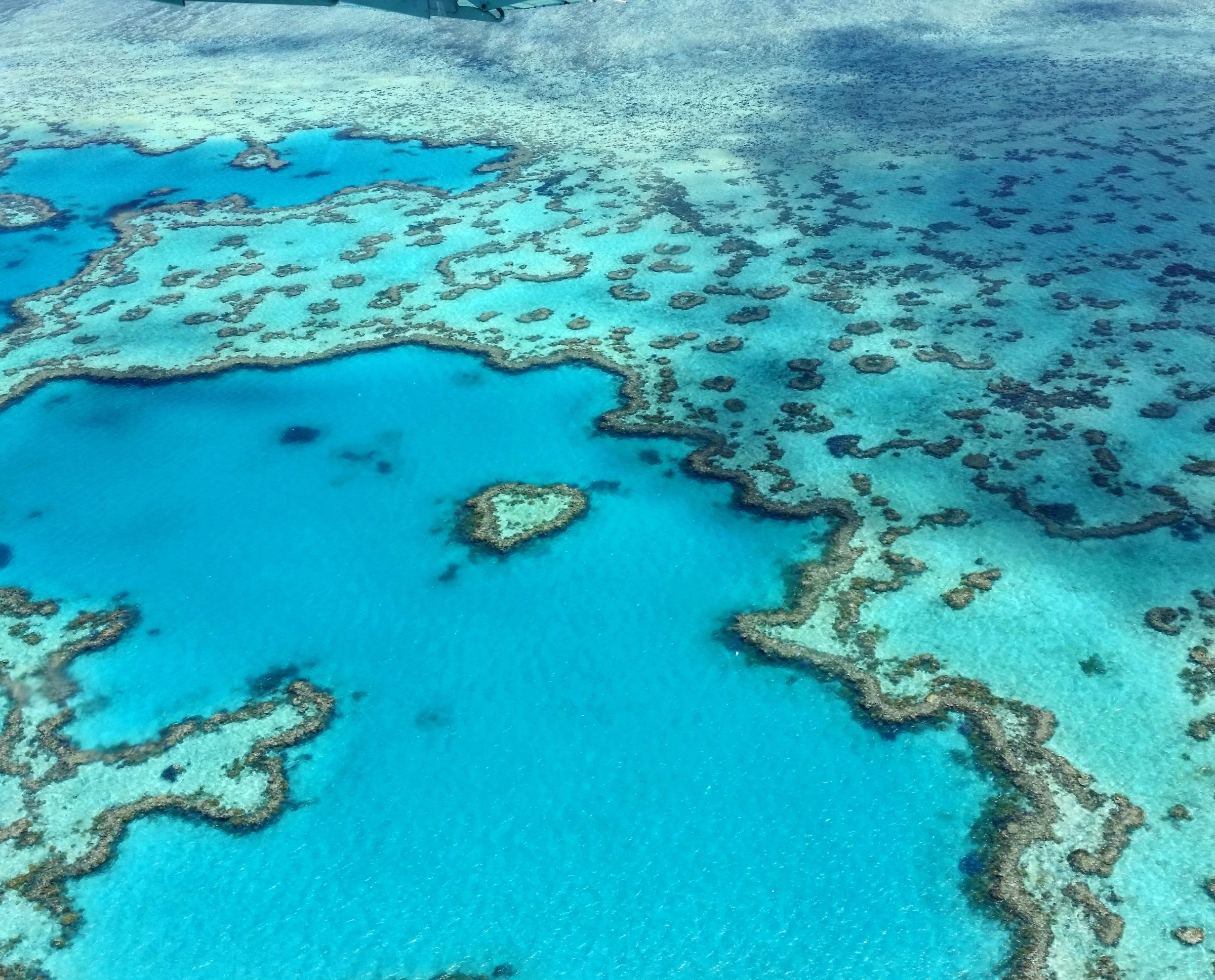
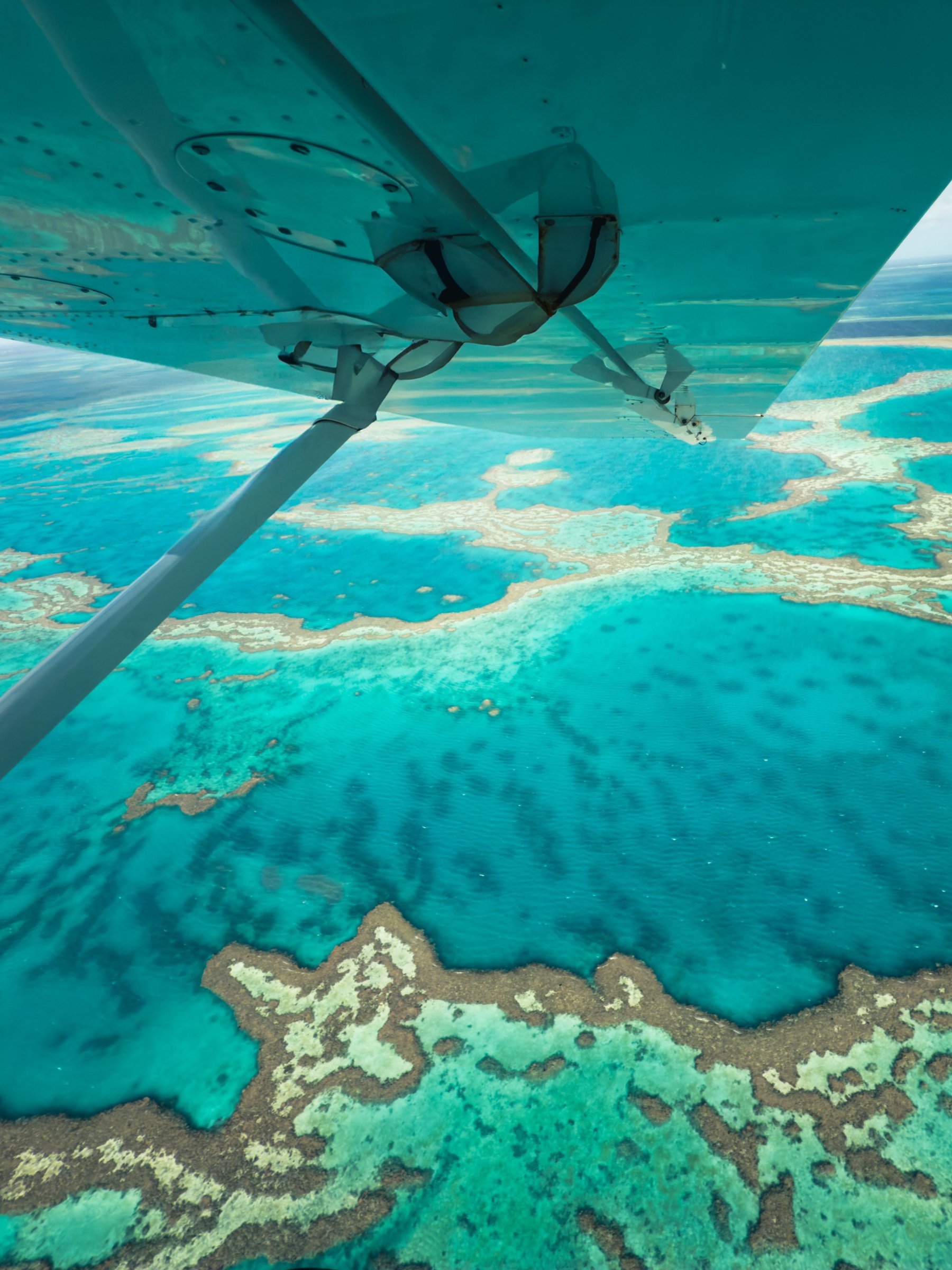
The Great Barrier Reef is the largest coral reef system on Earth, a chain of thousands of separate reefs strung along the Queensland coast, from the waters off Cape York in the north to just north of Bundaberg in the south. It is so big that it holds every kind of reef habitat in one place: inshore fringing reefs, mid-shelf platforms and wild outer reefs on the edge of the continental shelf, each with its own mix of corals and fish.
The reef also does a lot of quiet work. It breaks incoming swell and protects the coast and islands, it supports commercial and Traditional Owner fishing, and it is the reason millions of people come to snorkel and dive each year. Losing it would change Queensland far beyond the water.
What is coral bleaching?
Reef-building corals live in partnership with tiny algae inside their tissue. The algae turn sunlight into food for the coral and give it its colour. When the water stays even a degree or two above the normal summer maximum for weeks, that partnership breaks down: the coral expels the algae and turns white. A bleached coral is not dead, but it is starving. If the heat eases quickly, it can recover; if it lasts, it dies and is overgrown by algae.
Scientists measure heat stress in Degree Heating Weeks (DHW), which combine how much hotter than normal the water is with how long it stays that way. Above 4 DHW, significant bleaching is likely; above 8, coral death becomes likely.
How often has the Great Barrier Reef bleached?
The first recorded mass bleachings, in 1998 and 2002, were serious but most reefs recovered. Since then they have come faster: 2016, 2017, 2020, 2022 and 2024 according to AIMS, plus a sixth event since 2016 in 2025, largely confined to the northern reef. In 2024 aerial surveys of more than 1,000 reefs found bleaching on 73% of those surveyed in the Marine Park.
AIMS has monitored the reef for 40 years, surveying around 120 reefs a year by manta tow, a snorkeller towed behind a boat. Aerial surveys, run with the Reef Authority, show how far bleaching spreads; the regional figures below show the coral actually lost.
Where was the damage worst?
The 2024 event was the main cause of coral death that year, and the AIMS manta-tow surveys from August 2024 to May 2025 show what it cost:
- Northern GBRCoral cover 39.8% → 30.0% A 24.8% relative decline in a single year. Source: AIMS Annual Summary Report 2024–25.
- Central GBRCoral cover 33.2% → 28.6% A 13.9% relative decline from a regional high. Source: AIMS Annual Summary Report 2024–25.
- Southern GBRCoral cover 38.9% → 26.9% A 30.6% relative decline, the largest. Source: AIMS Annual Summary Report 2024–25.
- Individual reefsDeclines of up to 70.8% 48% of the 124 surveyed reefs declined, 10% increased. Source: AIMS Annual Summary Report 2024–25.
Fast-growing, heat-sensitive Acropora corals took most of the losses. Two cyclones, flood plumes and crown-of-thorns starfish added to the damage.
Is the Great Barrier Reef recovering?
Partly. AIMS surveys from 2025 to 2026 found the start of recovery: coral cover rose to 35.1% in the north and 31.6% in the centre, both above their long-term averages, while the south held at 26.4%, below its average. The 2025 bleaching was milder than 2024 and caused little coral loss, but it likely held recovery back.
AIMS warns of a new pattern of volatility, with coral cover swinging between highs and lows as fast-growing corals bounce back and then bleach again. Healthy reefs depend on limiting warming and giving corals time to recover. Since 2004 about a third of the Marine Park has been a no-take green zone; see where the ocean is protected.
How can visitors help the reef?
- Never stand on or touch coral. Even a fin kick can break years of growth. Float, and stay in sandy areas when you need to rest.
- Use mineral, reef-safe sunscreen or wear a stinger suit, which also protects you from jellyfish in the warmer months.
- Leave the fish alone. Plant-eating fish such as parrotfish and rabbitfish clean algae off recovering reefs. Never feed them.
- Respect the zones and the rules in green zones, where all fishing and collecting is banned.
- Report what you see through the Reef Authority's Eye on the Reef program; reports help scientists track heat events.
For the best reefs to see, read our Sydney, Great Barrier Reef, Ningaloo and Tasmania snorkelling guides.
Facts checked October 2026. Rules, fees and conditions change, so check with the operator, park or lifeguard before you go.
- AIMS: Annual Summary Report on Coral Reef Condition 2024–25
- AIMS: Annual Summary Report on Coral Reef Condition 2025–26
- AIMS: Coral bleaching events on the Great Barrier Reef and in Western Australia
- Great Barrier Reef Marine Park Authority: Reef Snapshot, summer 2023–24 (April 2024)
- Emslie et al. 2015, Current Biology: coral trout in Great Barrier Reef green zones (AIMS)