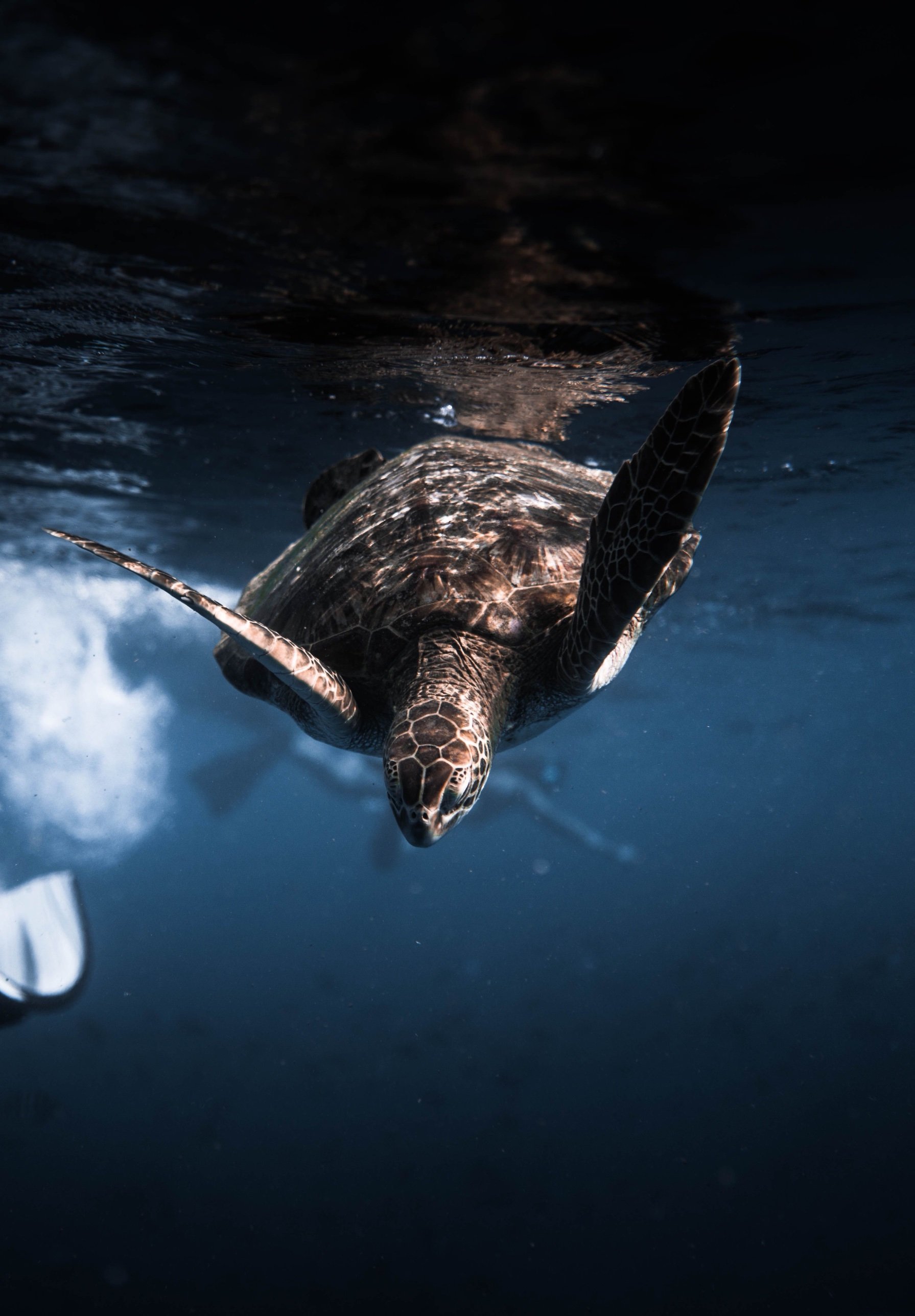
Life on the island continent
Australia broke away from the last of the old southern supercontinent, Gondwana, more than 35 million years ago and has drifted north on its own ever since. Its animals evolved in that long isolation, and many became species found nowhere else: kangaroos, koalas, wombats and the egg-laying platypus. That is why Australia has some of the highest rates of endemic life on the planet, on land and on the reef.
The ocean is the star. Green and loggerhead turtles nest on beaches and coral cays, humpback whales migrate along both coasts each winter, and tiger sharks patrol the warm northern waters. Many of these animals are protected, and some are in real trouble. Seeing them, carefully and respectfully, is one of the great reasons to travel here.
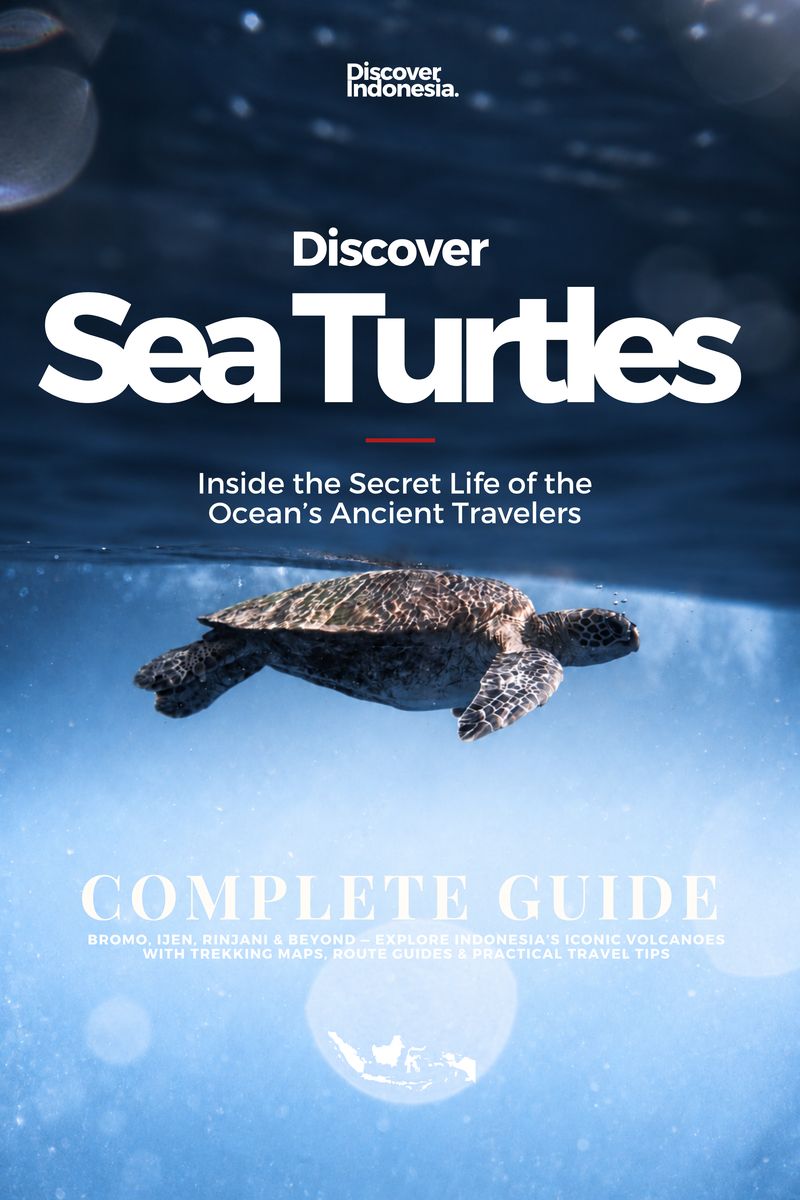
Discover Australia.Sea Turtles
Inside the secret life of the ocean's ancient travelers
The first book in our wildlife series follows the world's sea turtles: the greens that graze the reefs, the loggerheads of Mon Repos, the rare hawksbill, the long journeys to their nesting beaches, and where and how to see them without disturbing them.
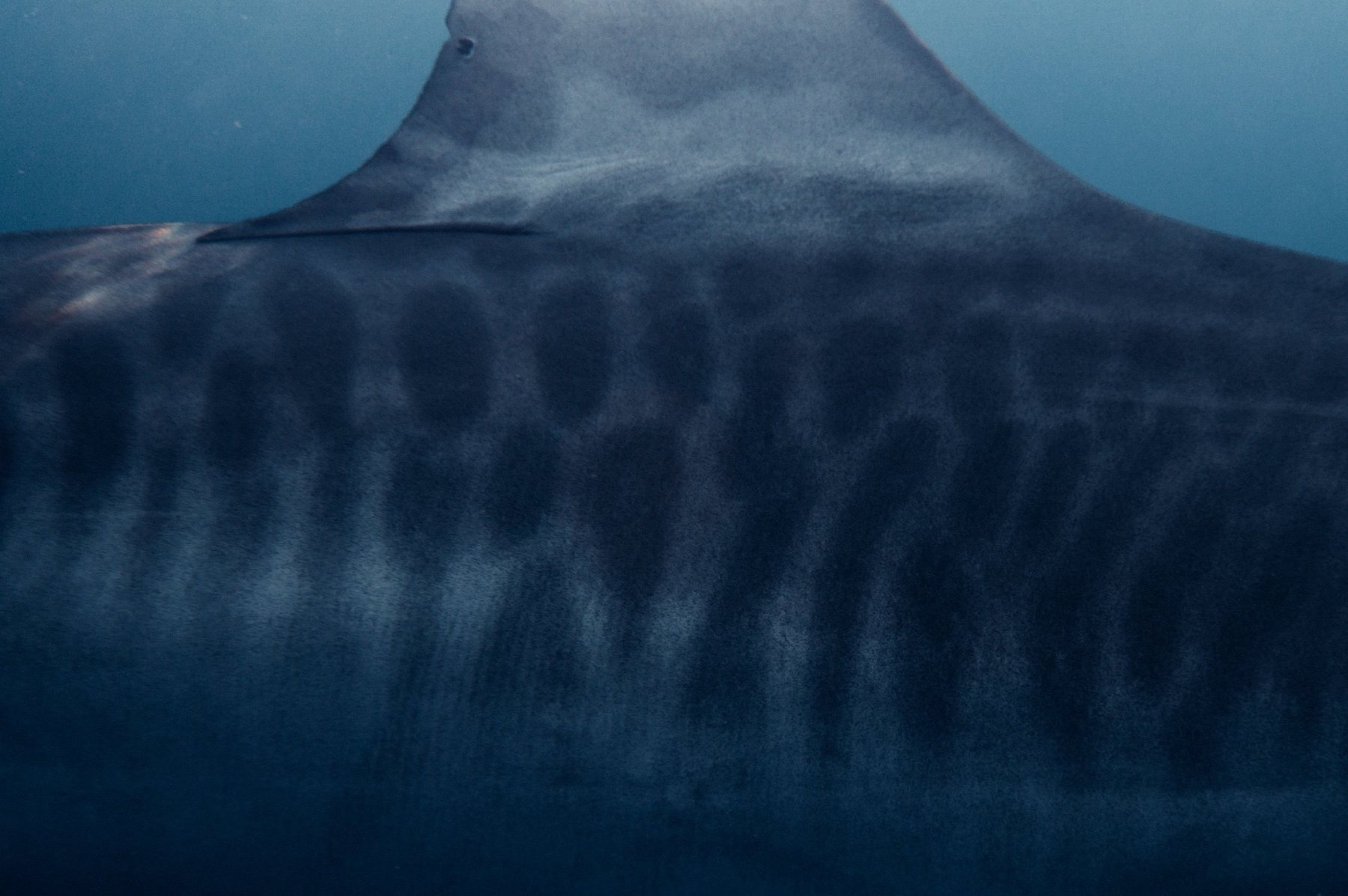
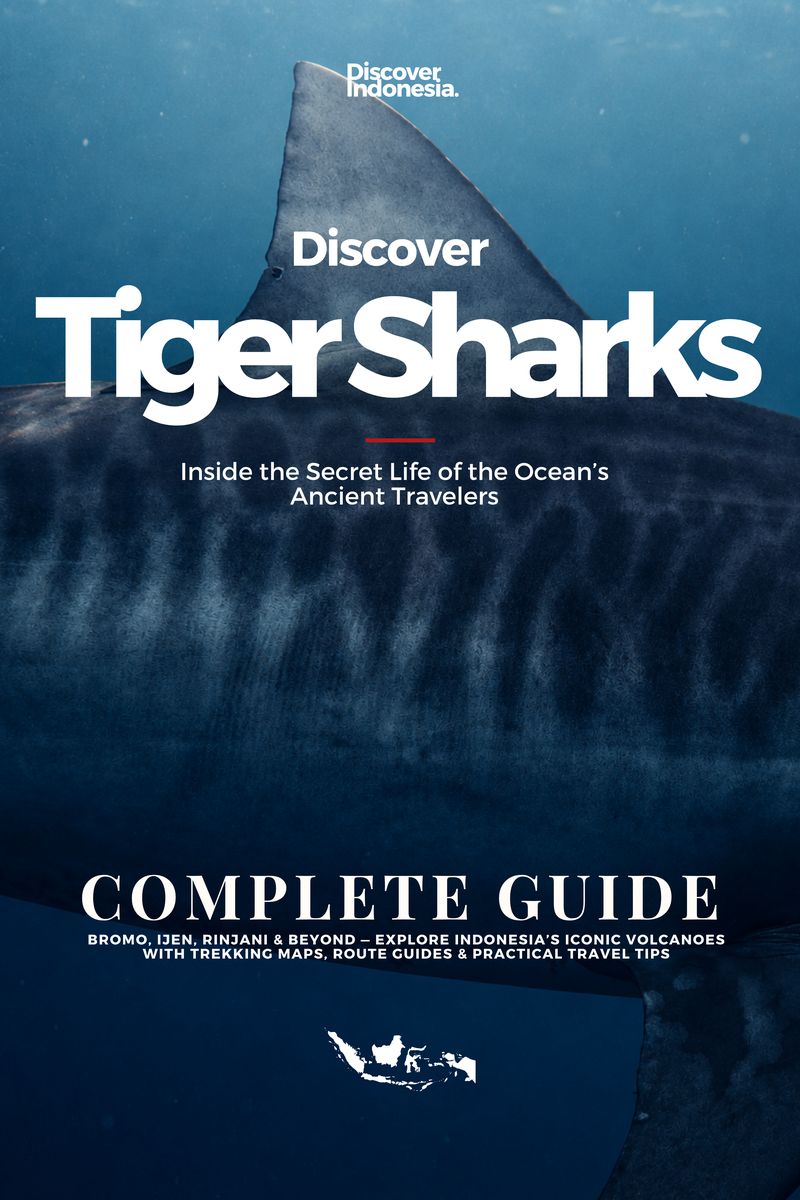
Discover Australia.Tiger Sharks
Inside the secret life of the ocean's ancient predator
Named for the dark stripes that fade as they grow, tiger sharks roam tropical seas around the world, and Australia's waters year-round. The second book in our wildlife series gets close to one of the ocean's most misunderstood hunters: how they live, travel and hunt, and how to share the water with them safely.
Australia's residents & frequent visitors
Some animals live along the coast all year. Others travel thousands of kilometres to get here. These are the ones you are most likely to meet, from the beach, a boat or a snorkel, and how to watch them without disturbing them.
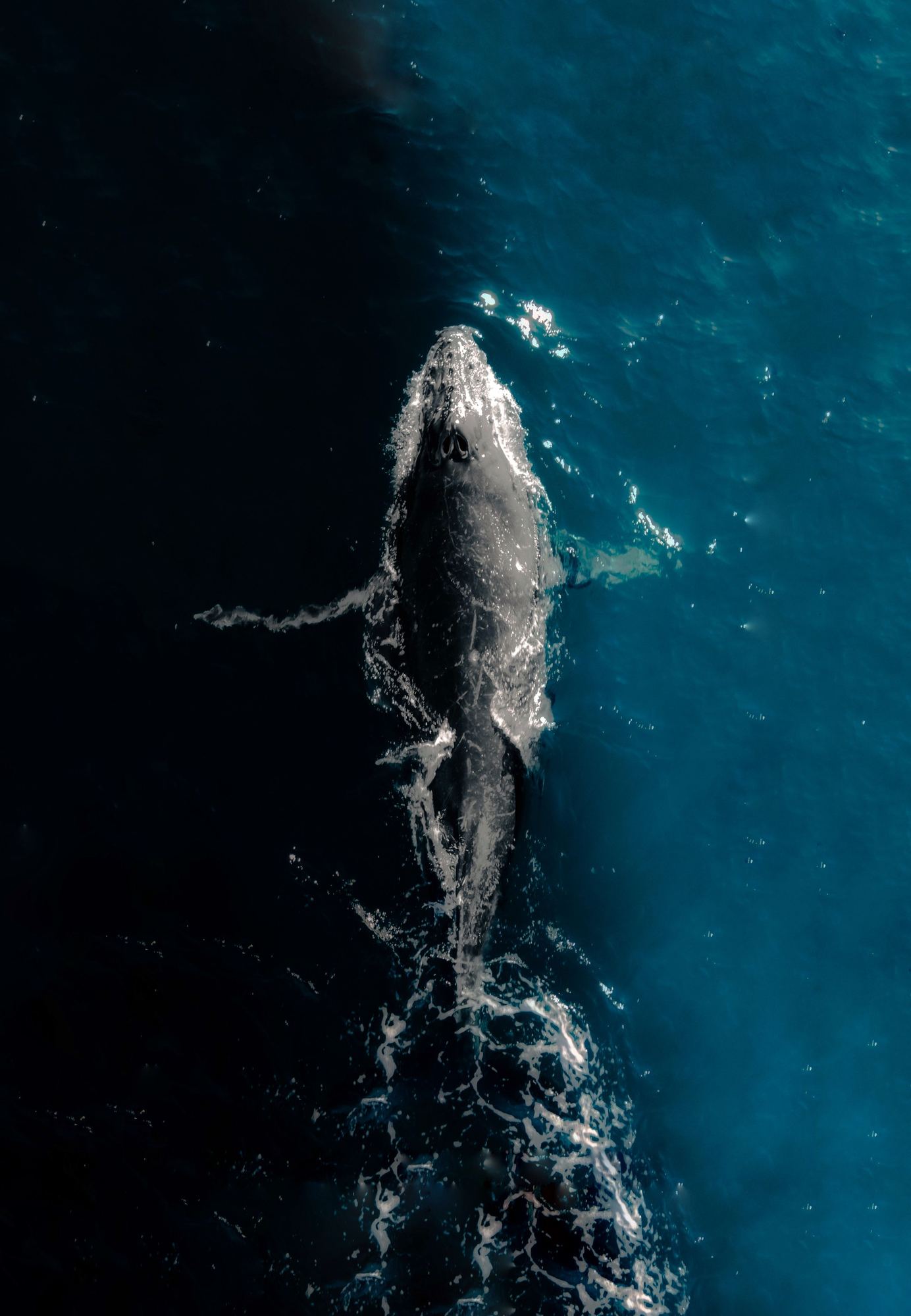
Humpback whalesThe singers of the winter sea
Every winter, tens of thousands of humpbacks swim some 5,000 km from their feeding grounds off Antarctica to the warm water inside the Great Barrier Reef. They come to mate, give birth and nurse their calves, and they barely eat the whole time they are here.
The calm, sheltered water of Hervey Bay is the best place to see them, as mothers and calves rest there on the way south, and the males fill the sea with song you can hear through a boat's hull. Watch for blows, tail slaps and breaches from headlands like Cape Byron.
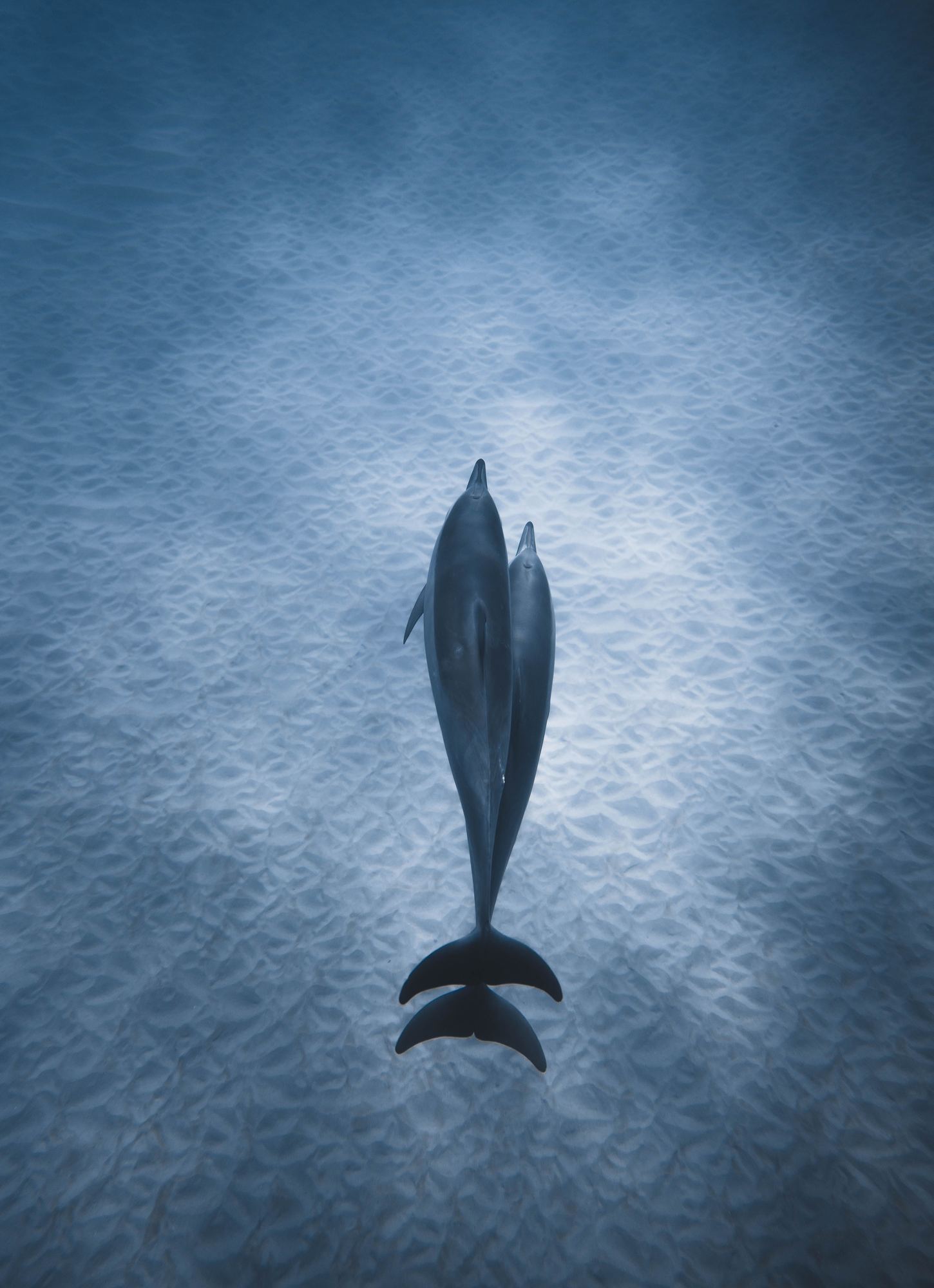
Bottlenose dolphinsThe regulars of Monkey Mia
Indo-Pacific bottlenose dolphins live in bays and estuaries all around the coast, from Port Stephens to Bunbury. At Monkey Mia, in the Shark Bay World Heritage Area, a few wild dolphins have been swimming into the shallows to meet people since the 1960s.
Today that contact is strictly managed: rangers lead the morning sessions, only a handful of adult females may be offered a little fish, and nobody touches them. Elsewhere, keep boats at least 50 metres away, never feed wild dolphins, and let pods choose how close to come.
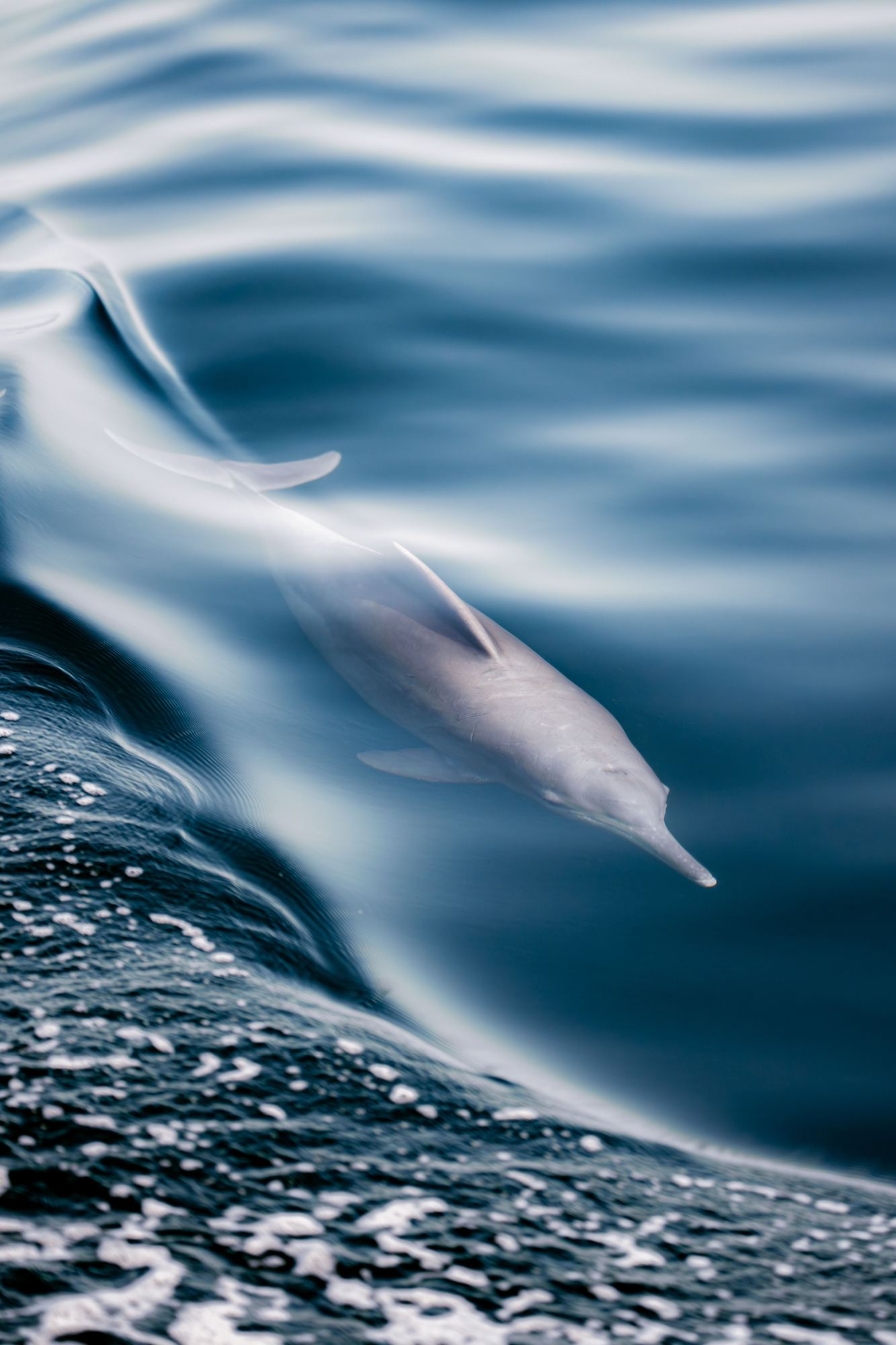
Discover Australia.Dolphins
Inside the secret life of the ocean's brightest minds
From sheltered bays to the open ocean: the species, the intelligence, the family life, and where to see the ocean's smartest mammal in the wild, responsibly.
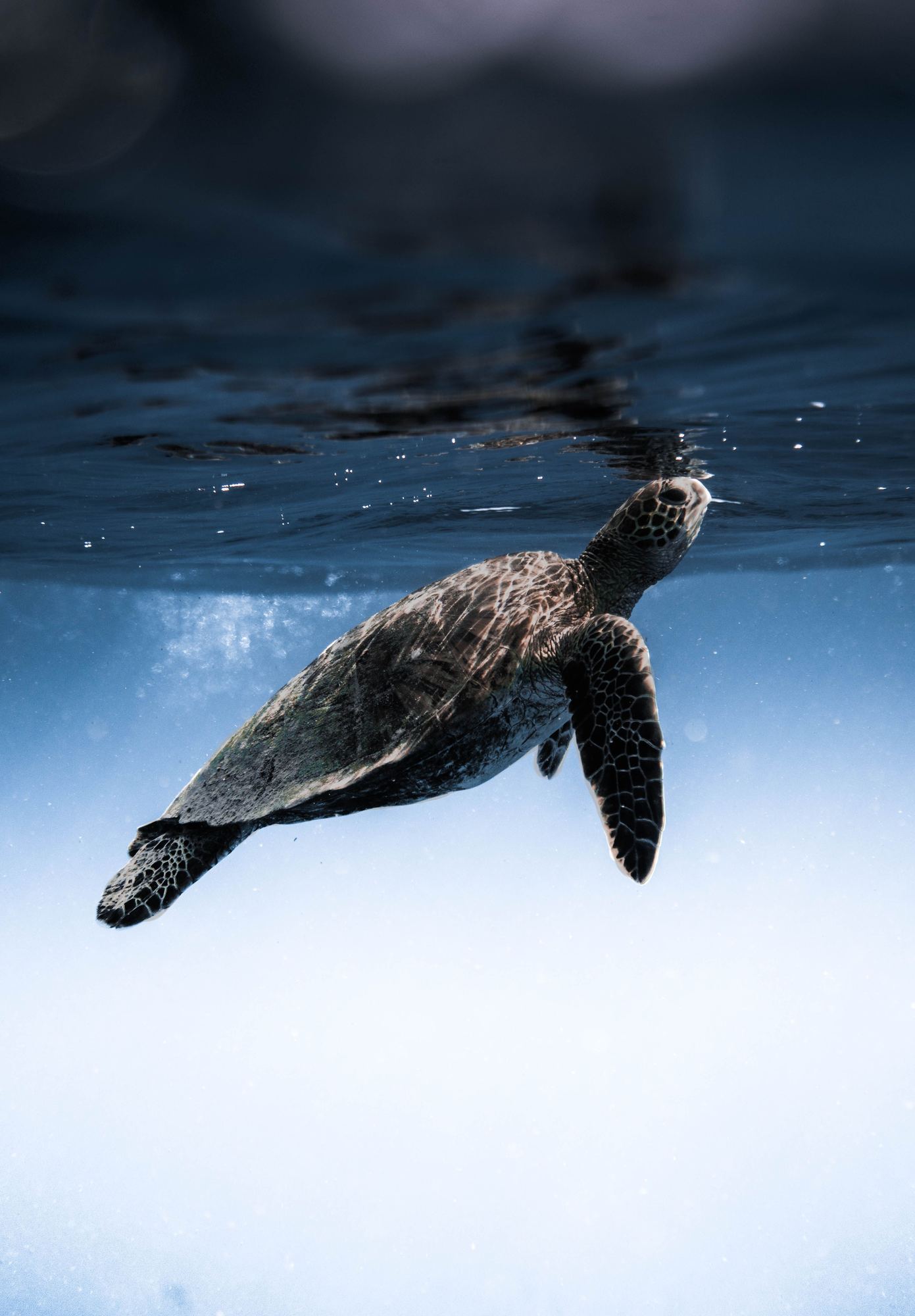
Green sea turtlesThe reef's most familiar face
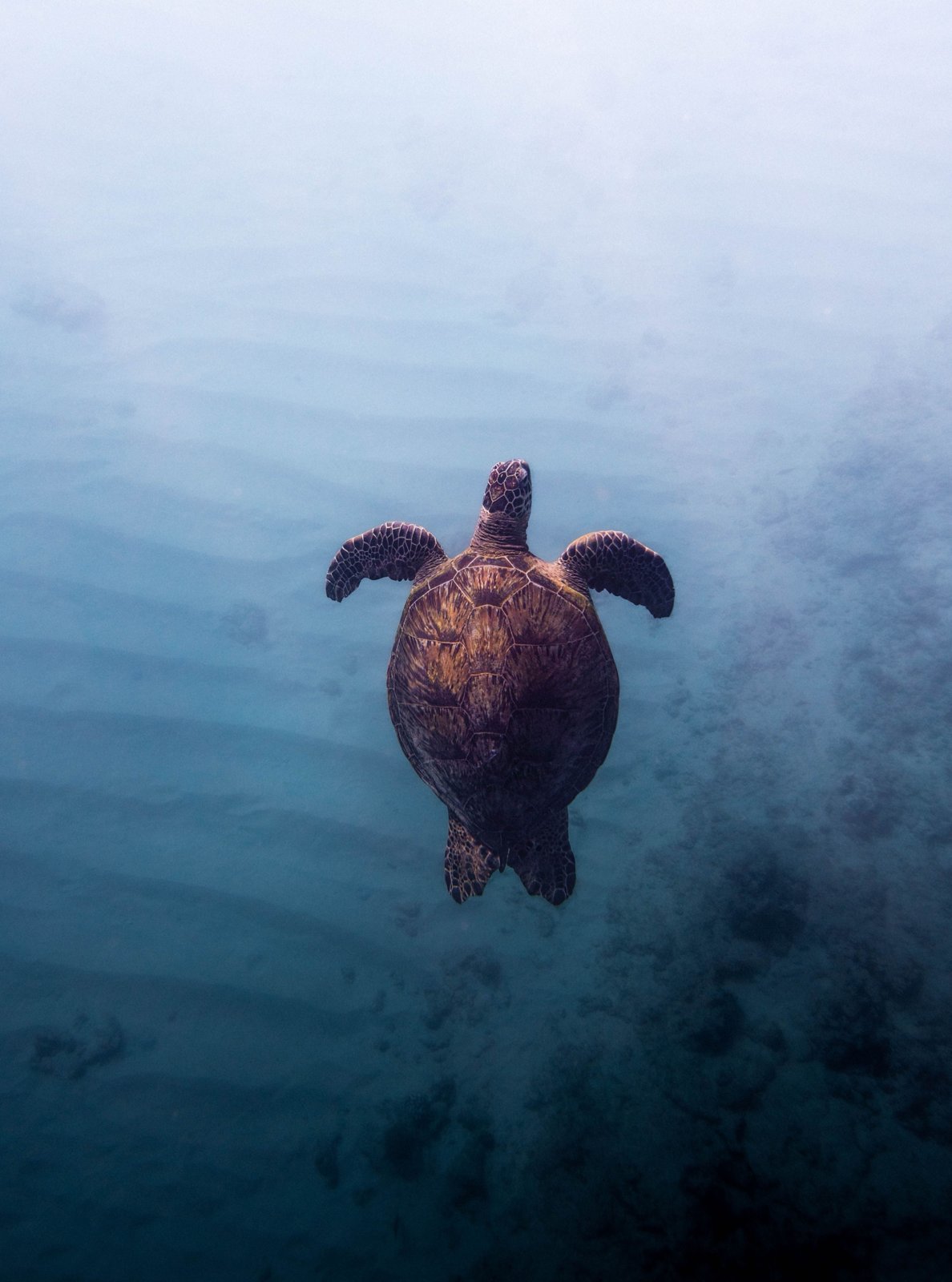
Green turtles are the ones you are most likely to see, grazing on seagrass and algae in shallow bays and resting under ledges on reefs from Ningaloo to the Whitsundays. Snorkel almost anywhere on the Great Barrier Reef and there is a good chance one will glide past.
Raine Island, on the far northern reef, is one of the largest green turtle nesting sites on Earth, and the southern cays such as Heron Island host nesting from November to March. Give them room: never touch, chase or ride a turtle, and keep lights off on nesting beaches.
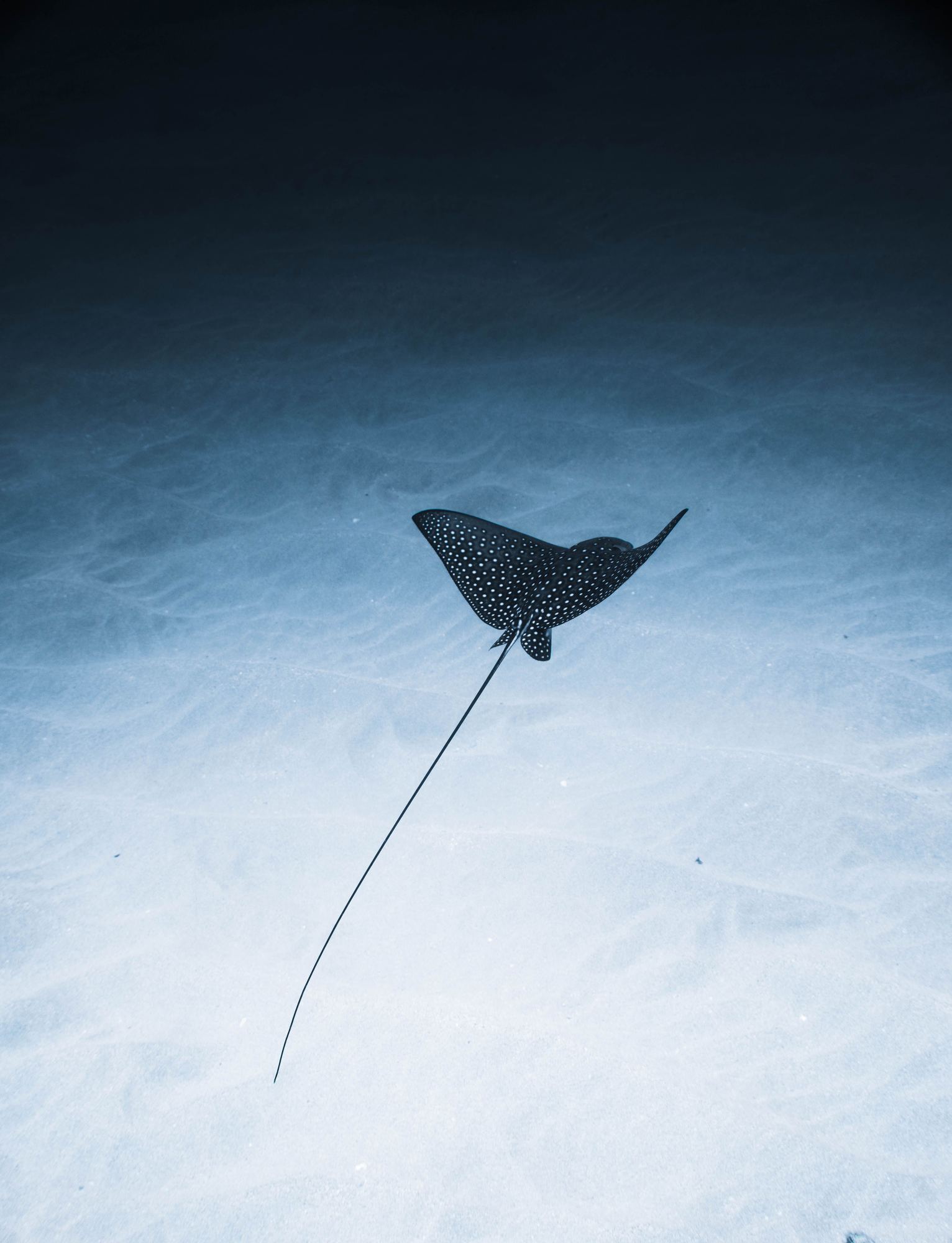
Spotted eagle raysFlying over the sand
With white spots on a dark back and a long whip of a tail, spotted eagle rays glide over sand flats and reef edges, often alone, sometimes in pairs or small groups. They dig for clams, crabs and snails with their flat snouts, and their wings can span more than two metres.
Snorkellers and divers meet them in calm bays along the tropical coast. They are shy rather than dangerous: stay still, let them pass, and never chase. Their bigger, plankton-eating cousins, the manta rays, are the stars at Lady Elliot Island and at Coral Bay on Ningaloo.
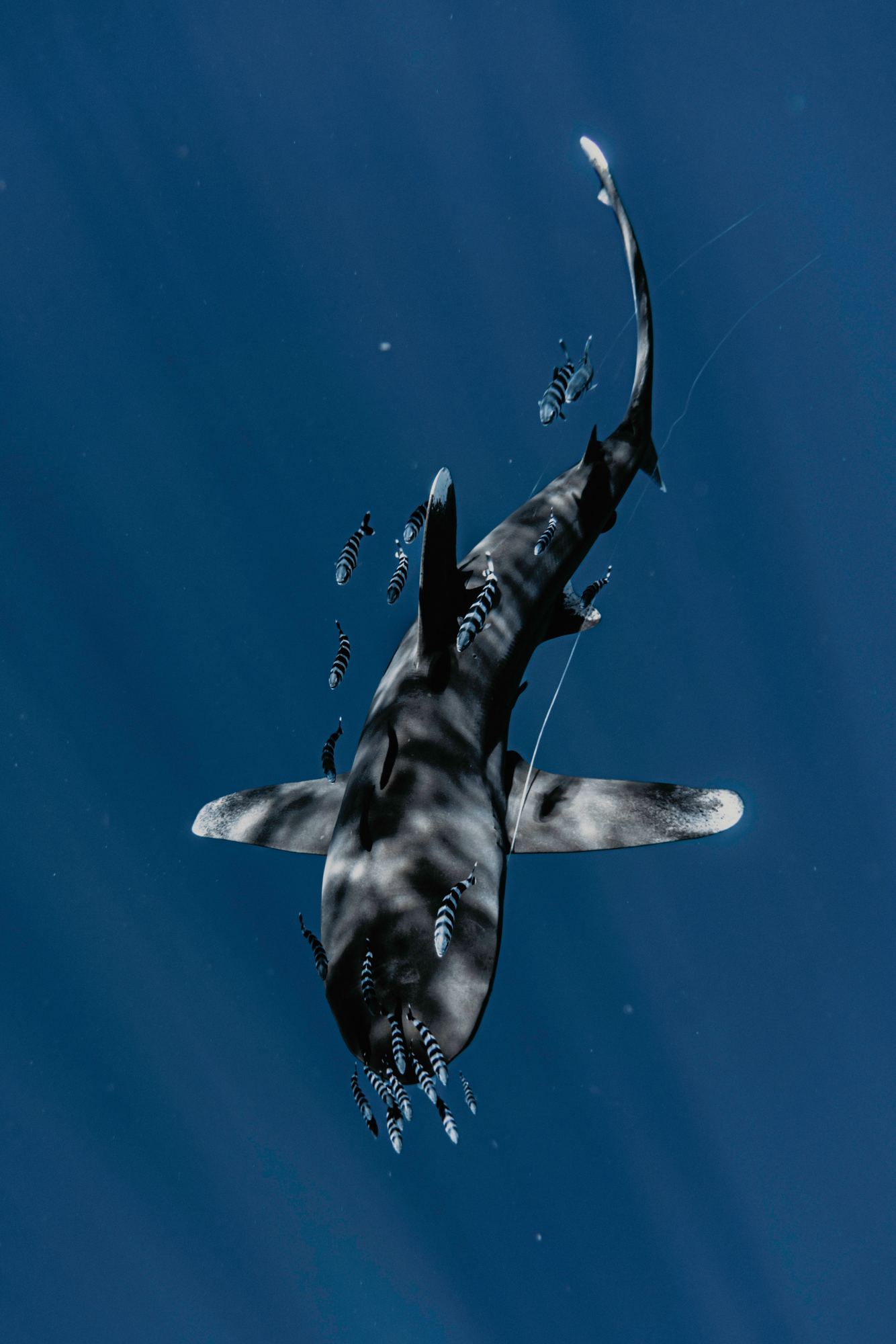
Oceanic whitetip sharksWanderers of the deep blue
Far from the coast, in thousands of metres of open water, oceanic whitetips cruise with long, rounded, white-tipped fins and an escort of striped pilot fish. They are almost never seen near shore; most Australian sightings happen far out in the tropical Coral Sea.
Once among the most common large animals on the planet, they have declined sharply because of fishing and are now listed as critically endangered. Seeing one is a reminder of how much depends on protecting the open ocean, not just the reef.
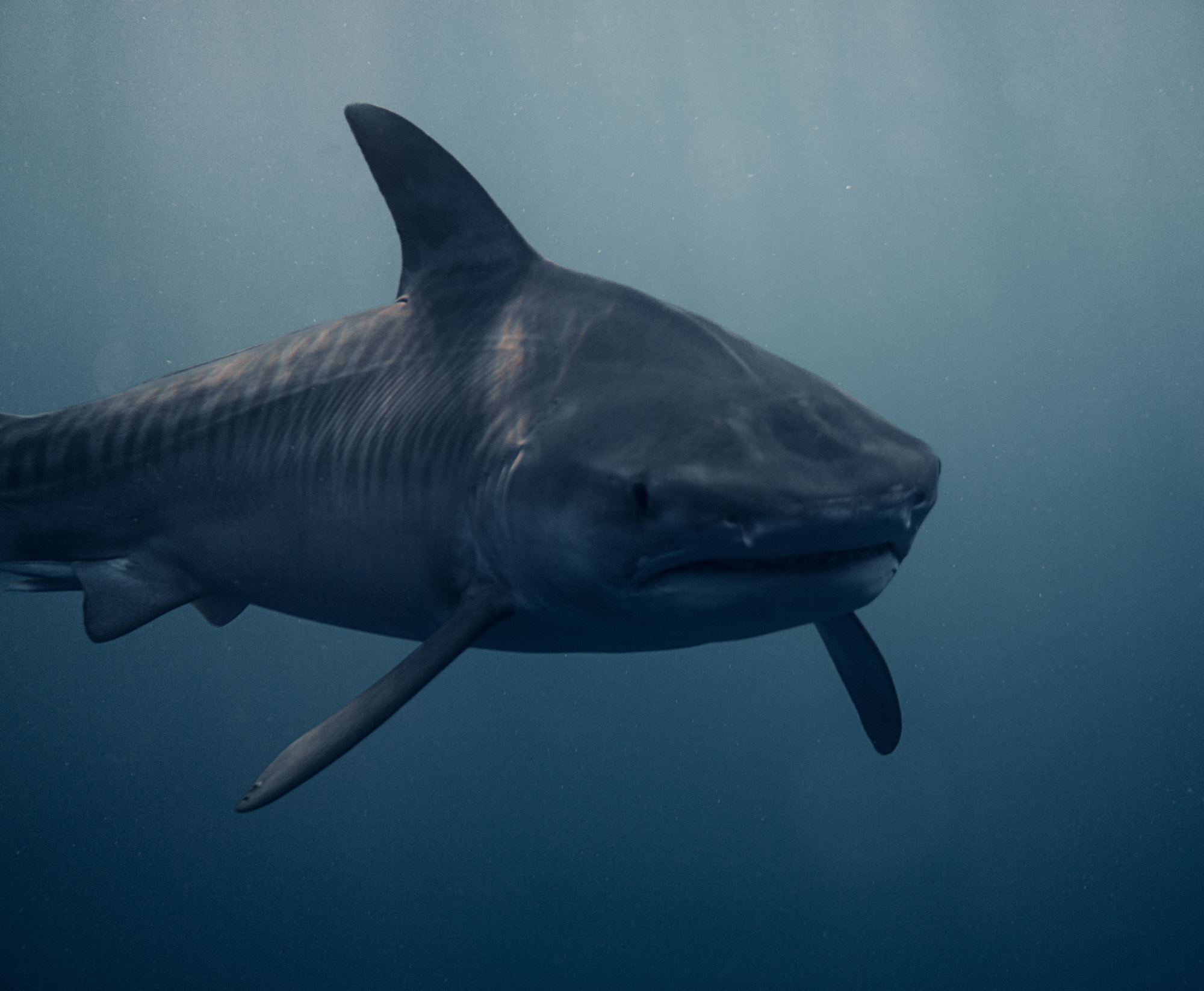
Tiger sharksThe reef's apex predator
Tiger sharks patrol Australian waters all year, from Shark Bay to the Great Barrier Reef. They eat almost anything, from fish and seabirds to turtles and dugongs, and they play a key role in keeping seagrass and reef in balance.
Encounters with people are rare: Australia records only a small number of shark bites a year among millions of ocean swims. Lower the odds further by swimming at patrolled beaches and avoiding murky water, river mouths and dawn or dusk swims.