The reef is open all year and the water never gets cold, but each month brings its own trade-offs. Here is how rain, wind, stingers, cyclones, whales, turtles and school holidays shift through the year, and how the north and south of the reef differ.
When is the best time to visit the Great Barrier Reef?
For most travellers, the best time is the dry season, from June to October. Rain is low, humidity drops, stinger risk is lower and the days are warm rather than steamy. In Cairns, average highs sit around 26–30°C and each month gets fewer than 50 mm of rain, against more than 400 mm in each of January, February and March.
The dry season has trade-offs. It is peak season in tropical Queensland, so boats, rooms and flights fill faster. The water is at its coolest, about 25°C, so you may want a thin wetsuit for long dives. Afternoons are also breezier: at Cairns Airport, August and September have the strongest average 3pm winds of the year, and choppy days can make outer reef crossings rough.
If you want a balance, aim for September or October. The water is warming, rain is still low, the winter crowds have thinned and stinger season has not yet begun. For a wider view of the whole country, see our guide to the best time to visit Australia.
What is the Great Barrier Reef like month by month?
The table uses Cairns, the main gateway to the northern reef. Air and rain figures are Bureau of Meteorology long-term averages for Cairns Aero; sea temperatures are approximate surface averages off Cairns, as published by a local dive operator. Wind is the average 3pm speed.
| Month | Air max / min | Sea | Rain (rain days) | 3pm wind | What to expect |
|---|---|---|---|---|---|
| January | 31.5 / 23.8°C | 29°C | 405 mm (16) | 16 km/h | Hot and humid; stinger and cyclone season; turtle hatchlings at Mon Repos |
| February | 31.3 / 23.8°C | 29°C | 436 mm (16) | 15 km/h | Wettest month; stingers; cyclones possible |
| March | 30.7 / 23.2°C | 28°C | 424 mm (16) | 17 km/h | Still very wet; turtle hatching ends; Easter holidays begin |
| April | 29.4 / 21.8°C | 27°C | 202 mm (15) | 19 km/h | Rain eases; cyclone season ends 30 April |
| May | 27.7 / 20.0°C | 26°C | 92 mm (11) | 18 km/h | Last stinger month; mantas build at Lady Elliot |
| June | 26.2 / 18.0°C | 26°C | 46 mm (7) | 18 km/h | Dry season; minke whales; winter holidays begin |
| July | 25.9 / 17.2°C | 25°C | 33 mm (6) | 19 km/h | Coolest month; minkes; humpbacks moving north |
| August | 26.7 / 17.4°C | 25°C | 27 mm (5) | 20 km/h | Driest month; humpbacks in the Whitsundays |
| September | 28.2 / 18.8°C | 25°C | 35 mm (5) | 21 km/h | Breeziest afternoons; humpback season ends |
| October | 29.7 / 20.7°C | 25°C | 47 mm (6) | 19 km/h | Warming and dry; inshore coral spawning |
| November | 30.8 / 22.4°C | 27°C | 88 mm (8) | 18 km/h | Stinger and cyclone seasons begin; spawning; turtles nest |
| December | 31.5 / 23.4°C | 28°C | 194 mm (11) | 17 km/h | Wet season building; summer holidays begin |
When are stinger and cyclone seasons on the reef?
Stinger season typically runs from November to May and cyclone season from 1 November to 30 April, so the two overlap for most of the summer. Stinger season, November to May, is when box jellyfish and Irukandji are most common. Surf Life Saving Queensland notes that stingers can be present in tropical waters all year, so the risk is lower outside the season but never zero.
On a reef trip, wear the full-length stinger suit your operator provides, in any month. It also protects you from sunburn. On the mainland, swim only at patrolled beaches, inside stinger nets where they are set up. If someone is stung by a tropical jellyfish, follow the lifeguard or crew, pour vinegar on the sting and call 000 if they feel unwell.
Australia's official tropical cyclone season runs from 1 November to 30 April, according to the Bureau of Meteorology, and cyclones can still form outside those dates. Since 2000, the Australian region has averaged nine tropical cyclones a season.
A cyclone does not mean your whole holiday is lost, but it can close ports, cancel boats and shut islands for days. If you travel between December and April, buy travel insurance before a storm is named, book flexible fares and leave a spare day for your reef trip.
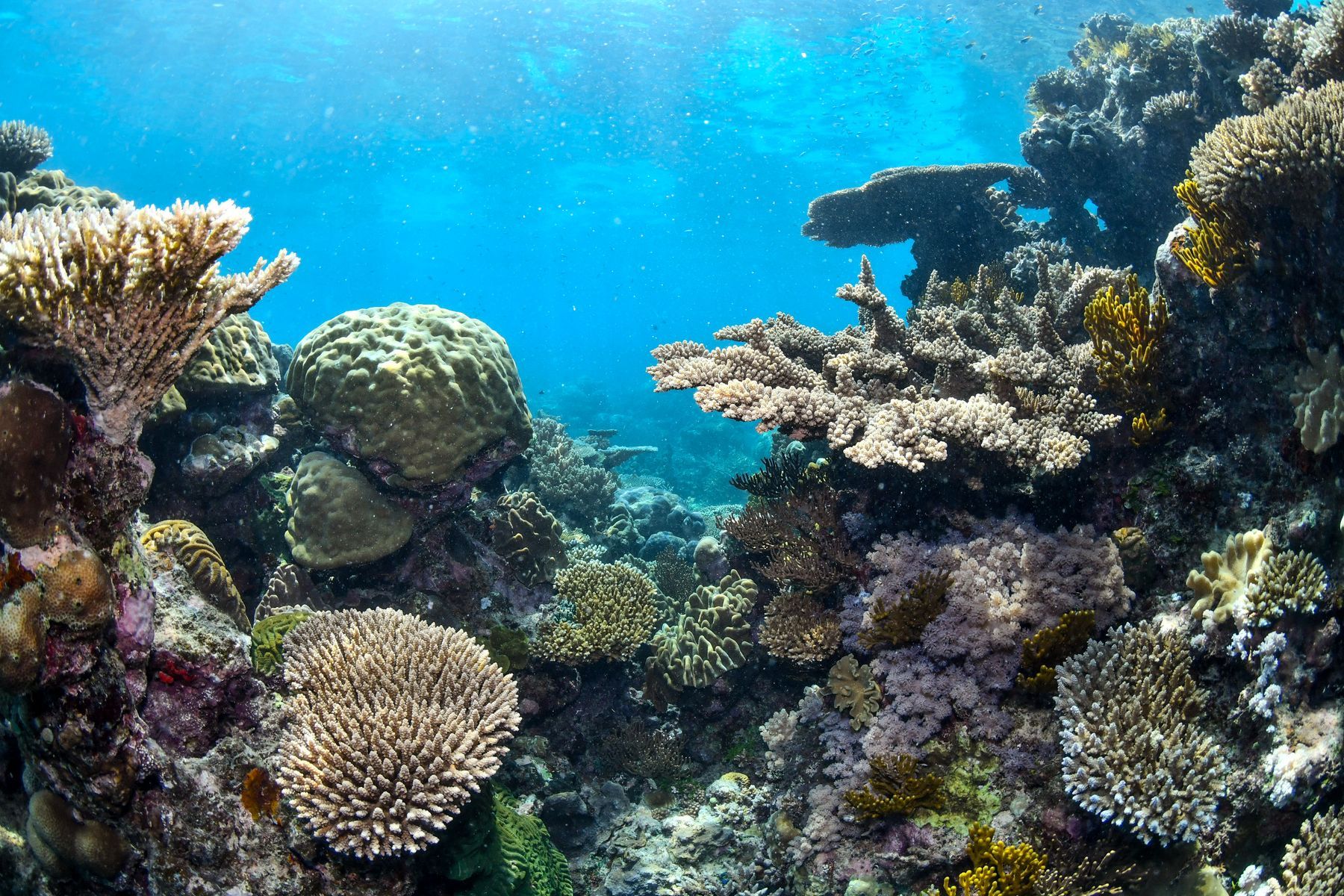
When can you see whales, turtles and manta rays?
Most of the reef's big wildlife events fall in winter or summer, so pick the one you care about most.
- Dwarf minke whales, June and July: about 90% of sightings on the northern reef fall in these two months, mostly around the Ribbon Reefs between Port Douglas and Lizard Island. Swims run only on liveaboards from Cairns that hold a permit from the Reef Authority, with strict rules on how close you can get.
- Humpback whales, winter to September: humpbacks migrate north from the Southern Ocean, with early sightings in May and the season running through to September. Most of the Whitsundays is a whale protection area where boats must stay 300 m away. See our Whitsundays guide.
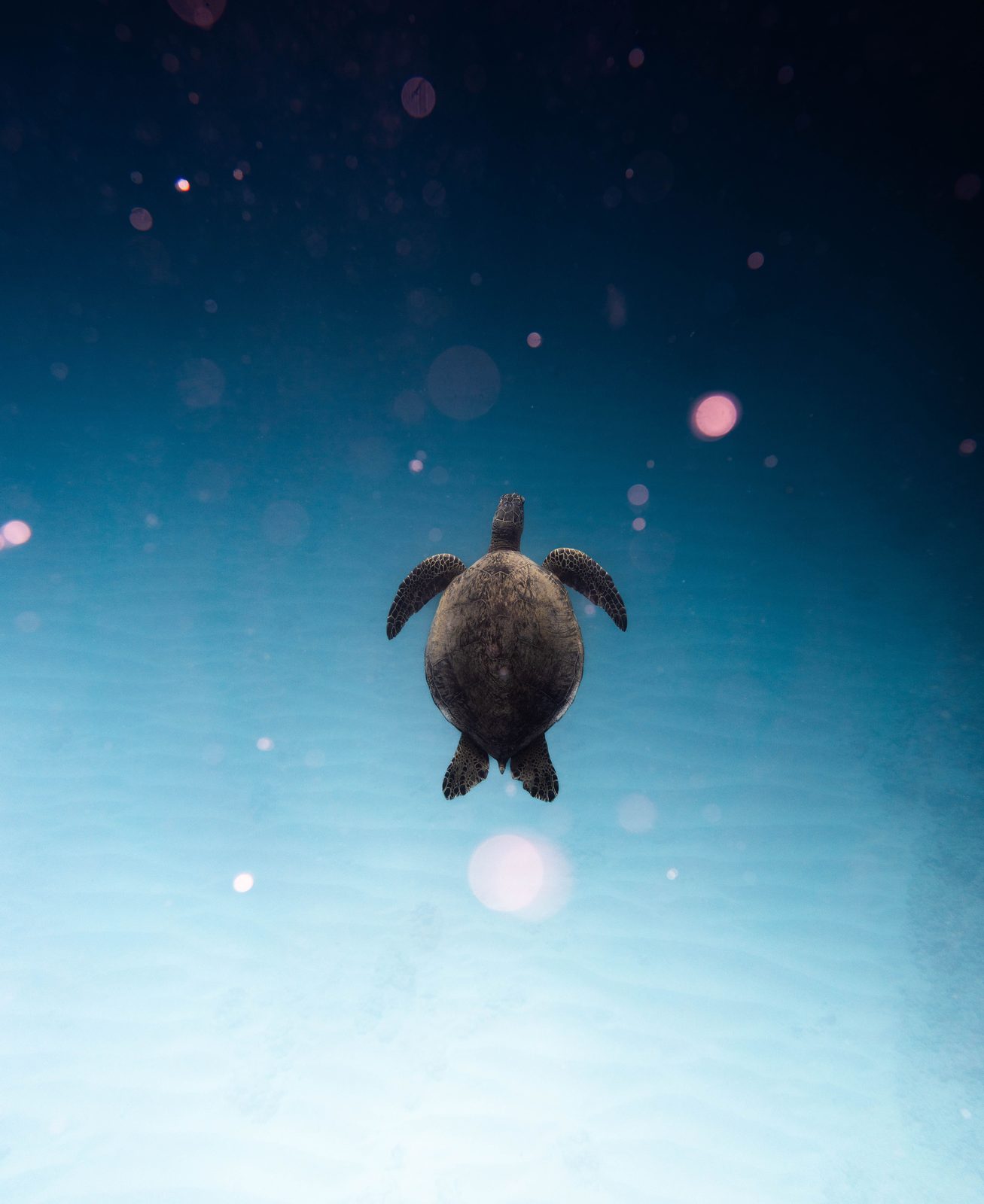
- Turtle nesting, November to March: at Mon Repos near Bundaberg, turtles nest from November to January and hatchlings emerge from January to March. On Lady Elliot Island, green and loggerhead turtles nest between November and March. Our guide on where to see sea turtles in Australia covers Heron Island too.
- Manta rays, best in winter: Lady Elliot Island sees mantas all year, but in larger numbers in winter, with May and June the standout months.
When does coral spawning happen?
Coral spawning happens a few nights after a full moon, between October and December, at night, once the water has warmed. According to the Reef Authority, inshore reefs usually spawn after the first full moon in October, while outer reefs usually spawn later, in November or even December. One event can last from a few days to a week.
The exact nights are not known far in advance, and not every reef spawns at the same time. If you want to see it, choose a dive operator that runs spawning night dives and keep your dates flexible around the full moon.
When is the water clearest on the reef?
Visibility is generally best in the dry months, from about May to August, according to northern reef dive operators, even though the water is cooler. In the wet season, heavy rain can push sediment-laden river flood plumes out over inshore reefs, which clouds the water. Outer reefs, further from the river mouths, are less affected.
Wind matters as much as season. Strong trade winds stir up the surface and make crossings rough, so a calm day in any month can beat a windy day in the "best" one. Our guide to Great Barrier Reef snorkelling and diving lists sites by region.
When is the reef busiest and most expensive?
The busiest periods are the dry season and Queensland school holidays, when local families head to the coast. Queensland's 2027 state school holidays are:
- Summer: 12 December 2026 to 26 January 2027, and again from 11 December 2027
- Autumn (Easter): 26 March to 11 April 2027
- Winter: 26 June to 11 July 2027
- Spring: 18 September to 4 October 2027
Other states have their own dates, so check theirs too. During holidays, book reef trips, island stays and liveaboards early, as they have fixed numbers. Our guide to choosing a Great Barrier Reef tour explains the options.
Is the southern reef different from the north?
Yes. The southern end of the reef, around Heron and Lady Elliot islands, is cooler and less rainy than the Cairns area. At Heron Island, average July highs are about 21.5°C, against 25.9°C in Cairns, and the island gets about half of Cairns' yearly rain, spread more evenly through the year.
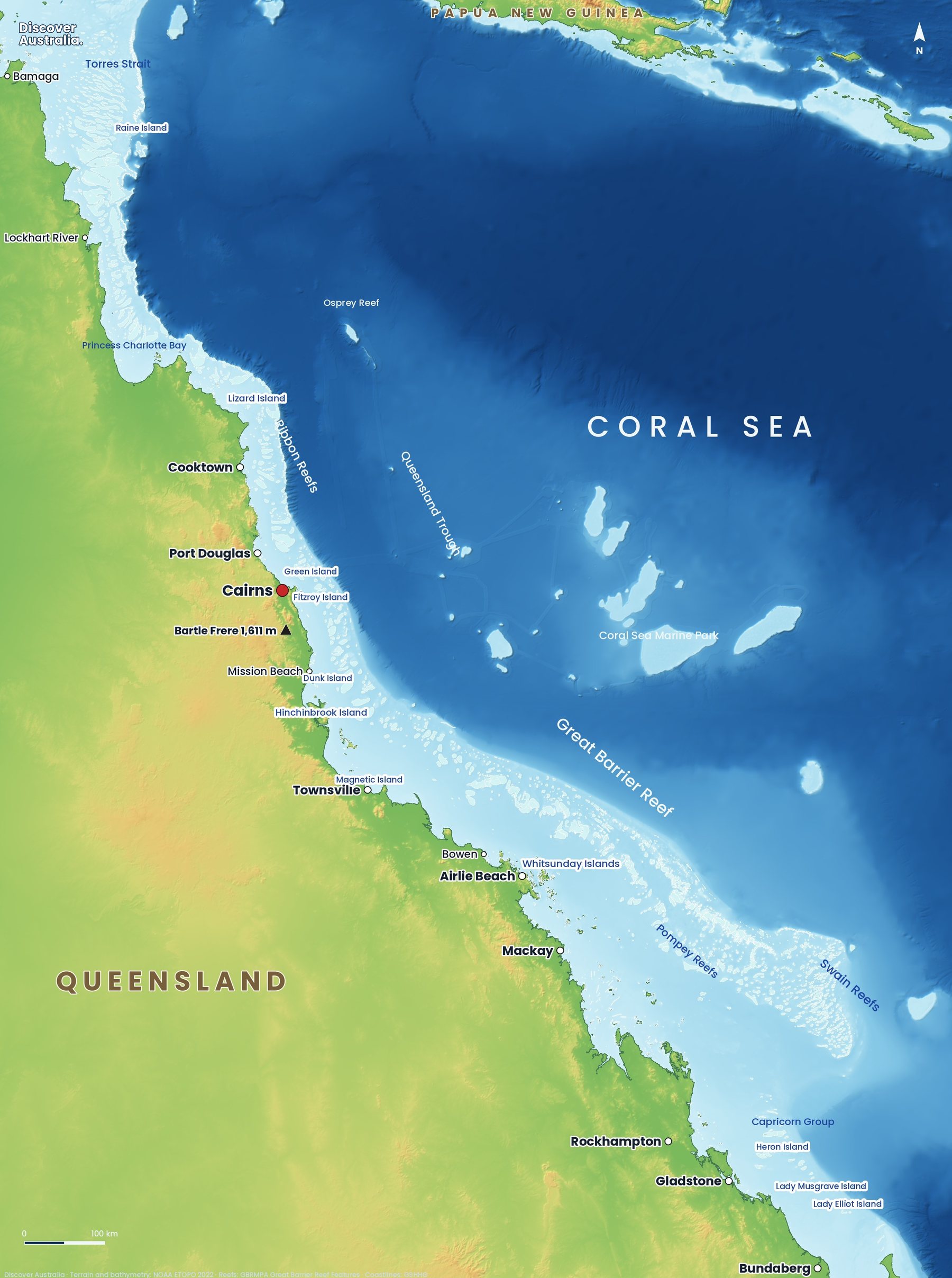
That makes the south a good summer option, when the north is at its wettest, and a chilly one in winter, when you will want a wetsuit. It is not stinger-free, though. Surf Life Saving Queensland puts Irukandji in tropical waters as far south as southern K'gari, which takes in the whole reef, so wear a stinger suit there too. For a short trip, see our Great Barrier Reef guide for where each region sits.
When is the worst time to visit the Great Barrier Reef?
The hardest months are January to March. Cairns averages more than 400 mm of rain in each of them, the heat and humidity peak, and you are inside both stinger and cyclone season. Trips still run most days, and the water is at its warmest, but storms can cancel boats and flood plumes can cloud inshore water.
If those are the only dates you have, go anyway, with flexible bookings. Base yourself where you can move a reef day, consider the southern reef, and pick a boat to the outer reef rather than an inshore trip.
Facts checked October 2026. Climate figures are long-term averages and any year can differ; whale, turtle and spawning timing varies by year and site. Check Bureau of Meteorology forecasts and warnings and confirm with your operator before you travel.
- Climate statistics for Cairns Aero (Bureau of Meteorology)
- Climate statistics for Heron Island (Bureau of Meteorology)
- Helping Australia prepare for severe weather season (Bureau of Meteorology)
- Marine stingers (Surf Life Saving Queensland)
- Ready for more than just coral spawning on the Reef (Great Barrier Reef Marine Park Authority)
- Have a whale of a good time this season (Great Barrier Reef Marine Park Authority)
- Dwarf minke whale distribution (Minke Whale Project)
- Dive seasons and weather (Spirit of Freedom)
- Best time to visit Lady Elliot Island (Lady Elliot Island Eco Resort)
- Mon Repos Conservation Park: things to do (Queensland Parks and Wildlife Service)
- Term dates (Queensland Department of Education)
- Future school dates (Queensland Department of Education)