Australia's national day marks the arrival of British ships at Sydney Cove in 1788. For many Australians it is a summer holiday of barbecues, beaches and citizenship ceremonies. For many First Nations people it is a day of mourning. Here is the history, both sides of the debate, and what you will see if you are in Australia on the day.
Why is Australia Day on 26 January?
Because on 26 January 1788 Captain Arthur Phillip landed at Sydney Cove and raised the Union Flag, beginning the British colony of New South Wales. The First Fleet had reached Botany Bay about a week earlier, on 18 January, before Phillip moved it north to the better harbour at Sydney Cove, on the land of the Gadigal people. The colony was formally proclaimed on 7 February.
The date was first celebrated in New South Wales, where Governor Macquarie gazetted it as a public holiday in 1818. Other colonies marked their own foundation days, and it took more than a century for 26 January to become the shared national date. Our short history of Australia covers the wider story, from the First Nations history that came long before 1788 to Federation in 1901.
When did Australia Day become a national public holiday?
The public holiday has fallen on 26 January itself in every state and territory since 1994. Before then the name and the date drifted. The day was called Foundation Day or Anniversary Day in the 1800s, the states agreed to adopt the name "Australia Day" by 1935, and for decades many states took the holiday on the nearest Monday to make a long weekend.
| Year | What happened |
|---|---|
| 1788 | Phillip lands at Sydney Cove on 26 January and raises the Union Flag |
| 1818 | Governor Macquarie gazettes 26 January as a NSW public holiday |
| 1888 | Centenary celebrated in most colonies; Aboriginal people reportedly boycott |
| 1935 | Deadline for states to adopt the name "Australia Day" |
| 1938 | Sesquicentenary celebrations; Aboriginal Day of Mourning and Protest in Sydney |
| 1972 | Aboriginal Tent Embassy set up in Canberra on 26 January |
| 1988 | Bicentenary; about 40,000 people march in Sydney in an "Invasion Day" protest |
| 1994 | Holiday held on 26 January in every state and territory |
| 2018 | Triple J moves its Hottest 100 countdown off 26 January |
| 2023 | Councils allowed to hold Australia Day citizenship ceremonies within three days of 26 January |
What was the 1938 Day of Mourning?
It was a protest meeting held by Aboriginal activists in Sydney on 26 January 1938, while the city celebrated 150 years since the British arrival. Organised by Jack Patten, William Ferguson and William Cooper, it took place at the Australian Hall on Elizabeth Street. The meeting called for full citizenship, equal political rights and better access to education for Aboriginal people.
Prime Minister Joseph Lyons later met the organisers, but, according to the National Museum of Australia, the meeting brought no practical change at the time. The Australian Hall has since been recognised as an Aboriginal heritage site, and the Day of Mourning is widely seen as a starting point for modern Aboriginal civil rights protest.
Why do some people call it Invasion Day or Survival Day?
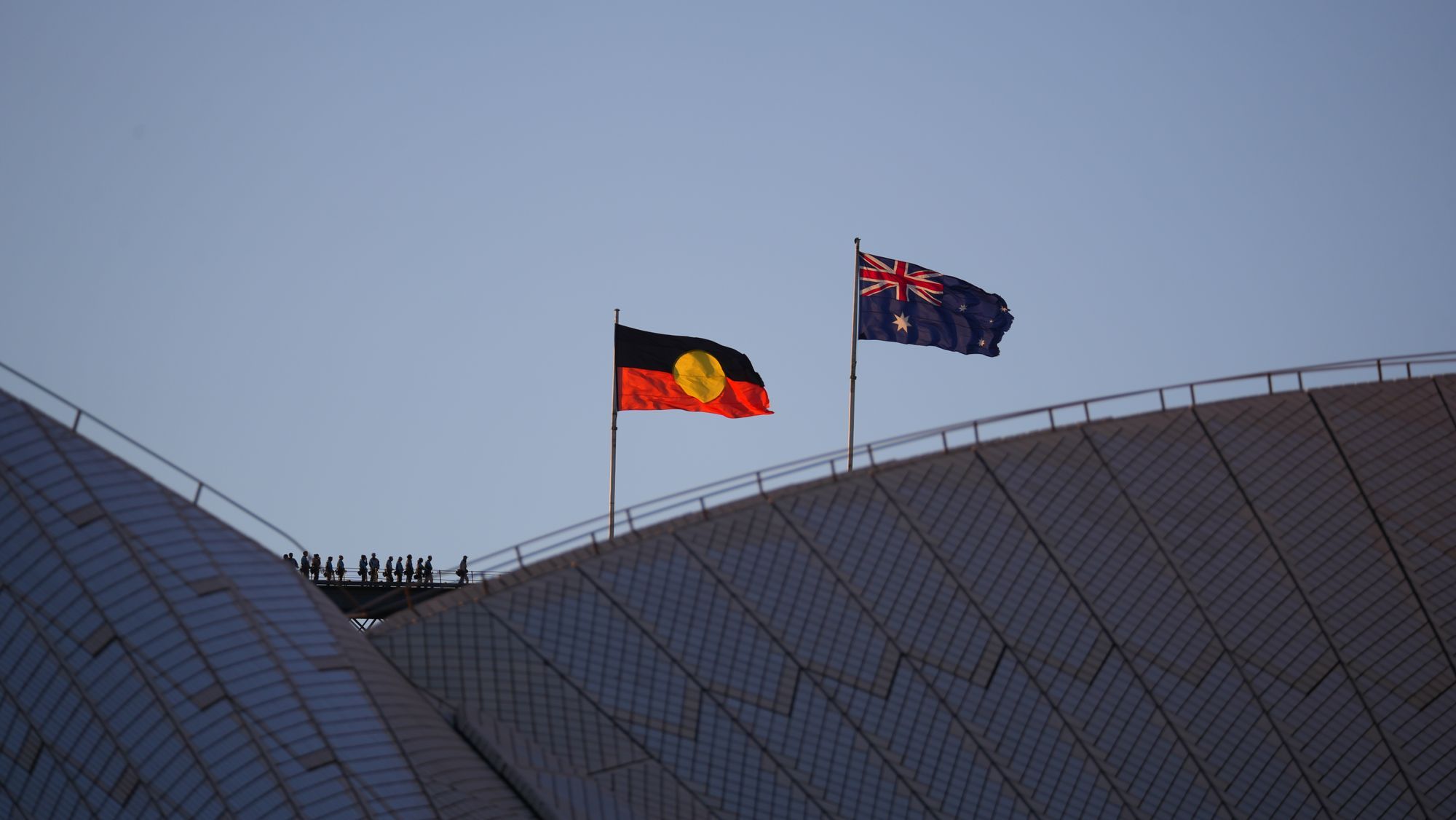
Because for many Aboriginal and Torres Strait Islander peoples, 26 January marks the start of colonisation and the loss of land, lives and freedom that followed. Since 1938, communities have marked the date as a Day of Mourning, and more recently as Invasion Day or Survival Day.
- Invasion Day describes 1788 as an invasion of lands already owned and cared for by hundreds of First Nations. The name was used widely at the 1988 bicentenary march.
- Survival Day puts the focus on the survival and strength of First Nations cultures, often with concerts and festivals rather than protest.
Views differ within First Nations communities too, as they do across Australia as a whole.
What are the arguments for keeping or changing the date?
Both sides want a national day that matters to Australians; they disagree on whether 26 January can be that day. These are the main arguments each side makes.
Supporters of keeping 26 January say:
- It marks the beginning of modern Australia, including the institutions and laws the country grew from.
- It has been celebrated for more than 200 years, and tradition matters.
- The day has already changed to include First Nations recognition, such as dawn ceremonies, so it can be a day to reflect as well as celebrate.
- Moving the date would be symbolic and would not by itself improve lives in First Nations communities.
Supporters of changing the date say:
- It marks the start of dispossession, and a national day should be one all Australians can celebrate.
- Many First Nations people find a party on that date painful.
- Other dates are available, with suggestions including 1 January, the day of Federation in 1901.
- Changing the date would be a practical gesture towards reconciliation.
What do polls say about changing the date?
Recent national polls find that more Australians want to keep 26 January than change it, though support for change is higher among younger people and the result depends on how the question is asked.
- Roy Morgan (January 2026): an SMS survey of 1,311 adults found 60.5% said the date should not move and 39.5% said it should.
- Resolve Strategic (January 2025): for Nine newspapers, 61% backed keeping the date and 24% backed changing it, compared with 47% and 39% in October 2023.
- Ipsos (January 2024): 48% opposed changing the date and 27% supported it. Among 18 to 24 year olds, 42% supported change and 23% opposed it.
- Future Super for Clothing the Gaps (January 2026): a poll commissioned by groups that back change asked people to choose between a fixed 26 January and a holiday on the second-last Monday of January. Of 1,508 people, 54% chose the Monday.
Read polls together rather than alone: sample sizes, methods and wording all differ.
What happens on Australia Day?
The day mixes official ceremonies, public parties, protest and reflection, often in the same city.
- Australian of the Year: the national awards are announced in Canberra on the evening of 25 January.
- Citizenship ceremonies: local councils welcome new citizens. Under rules updated for 2023, they may hold their Australia Day ceremony on 26 January or within three days either side.
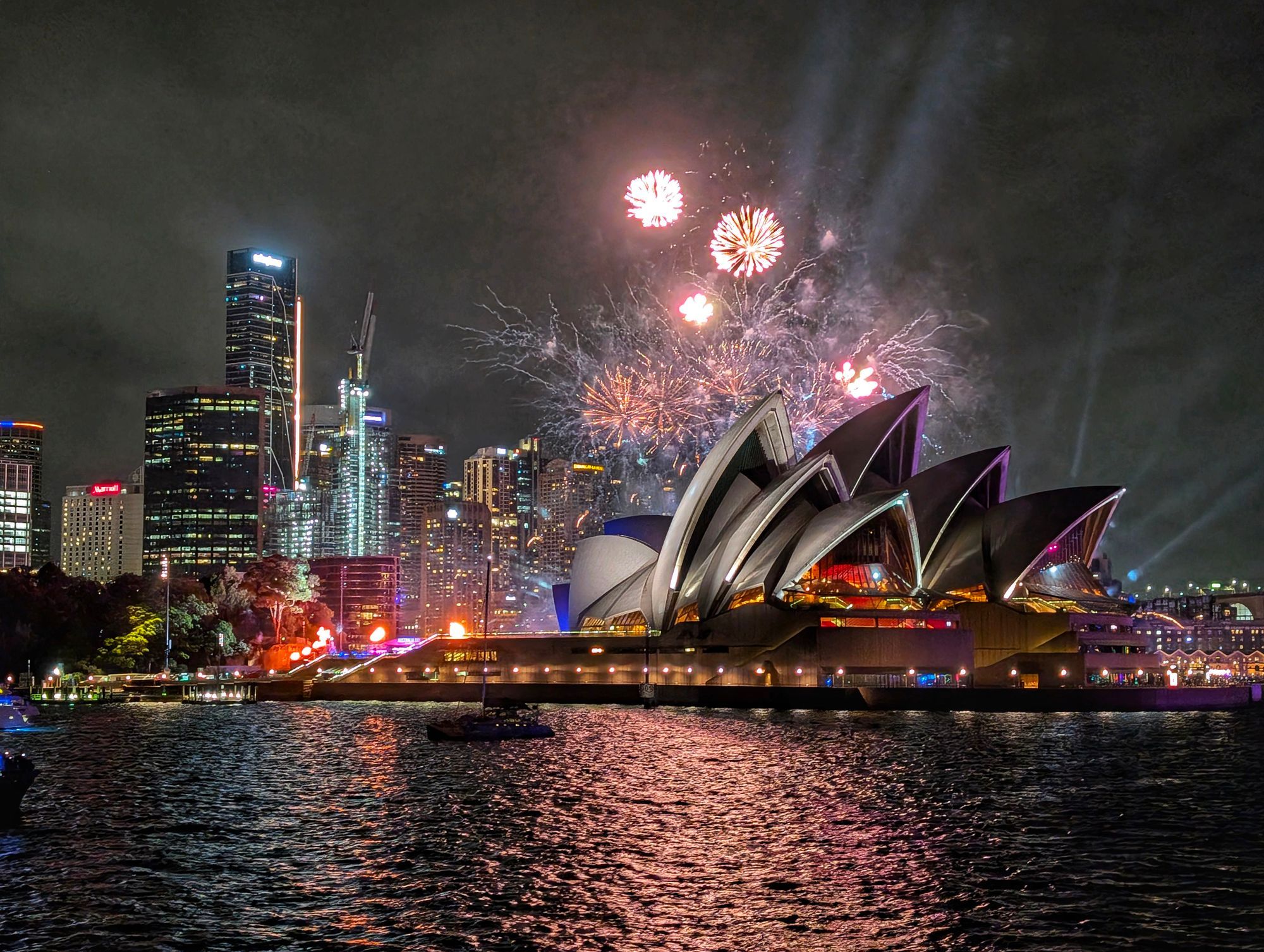
- Sydney Harbour: in recent years the program has included a dawn reflection with Aboriginal artwork projected on the Sydney Opera House, the WugulOra Morning Ceremony at Barangaroo, a ferry race, tall ships, a 21-gun salute at midday, and an evening concert and fireworks.
- Rallies and marches: Invasion Day rallies and marches are held in capital cities and many towns.
- Survival Day events: the free Yabun Festival in Sydney's Victoria Park, run by Gadigal Information Service, has been held each 26 January since 2003.
- Triple J Hottest 100: the radio countdown moved to the fourth weekend in January from 2018, after 60% of almost 65,000 listeners surveyed backed a change (39% did not).
Most towns also hold breakfasts, awards and community events, and many people simply head to the beach or a backyard barbecue.
Is Australia Day a public holiday and what is open?
Yes. In 2027 Australia Day falls on Tuesday 26 January and is a public holiday in every state and territory.
- Shops: Australia Day is not a restricted trading day in NSW, so supermarkets and many shops open, often with shorter hours. Rules differ by state.
- Offices: many offices and businesses close for the day.
- Transport: check public holiday timetables before you travel, as services can differ from a normal weekday.
- Attractions: most tours and attractions open, but popular ones fill up early.
What should visitors know about 26 January?
It is a busy summer holiday in the middle of school holidays, so book beds and tours early, especially in Sydney and coastal New South Wales. Our guide to the best time to visit Australia explains the January crowds and prices.
- Expect both sides: you may see flags and parties in one street and a march in the next. Both are a normal, lawful part of the day.
- You are welcome at many events: Survival Day festivals such as Yabun are public and free, and a good way to learn about First Nations cultures. Our guides to visiting Australia respectfully and Welcome to Country explain the protocols.
- Be heat and sun smart: January is hot. Swim between the red and yellow flags; see our ocean safety guide. In an emergency, call 000.
- Plan for crowds: harbour foreshores, beaches and roads get busy, and some roads close for events. Check the event site and transport timetable on the day.
Whatever your own view, it is respectful to recognise that the date means different things to different people.
Facts checked October 2026. Event programs, trading hours and poll results change each year; check official event and state government websites before you travel.
- A short history of Australia Day, and Aboriginal and Torres Strait Islander reactions to it (Parliamentary Library, Parliament of Australia)
- First Aboriginal Day of Mourning (National Museum of Australia)
- The first Day of Mourning (Museums of History NSW)
- 2027 public holidays (Fair Work Ombudsman)
- Trading on public holidays (NSW Government)
- Greater flexibility for citizenship ceremonies for 2023 (Minister for Immigration)
- Australian of the Year Awards (National Australia Day Council)
- Australia Day in Sydney (Destination NSW)
- Yabun Festival (City of Sydney)
- Australia Day survey, January 2026 (Roy Morgan)
- Almost one in two Australians feel the date of Australia Day should remain on 26th January (Ipsos)
- Has support for changing the date of Australia Day really collapsed? (SBS News)