Go to a festival, a footy match, a conference or a museum in Australia and the first words you hear will often recognise the Aboriginal or Torres Strait Islander people whose Country you are on. Here is what a Welcome to Country and an Acknowledgement of Country are, how they differ, and what visitors should do.
What is a Welcome to Country?
A Welcome to Country is a formal welcome to the land, given by Traditional Owners at the start of an event. Reconciliation Australia describes it as a ceremony that can include a speech, singing, dancing or a smoking ceremony, depending on the people and the place.
"Country" here means more than land. For Aboriginal and Torres Strait Islander peoples it covers land, waters, sky and the relationships, Law and responsibilities tied to them. Australia has hundreds of First Nations, each with its own Country, languages and protocols, so a Welcome in Sydney sounds different from one in Perth or Darwin. It is usually given in English, often with words in the local language.
What is the difference between a Welcome and an Acknowledgement of Country?
The difference is who gives it. Only Traditional Owners, or Aboriginal and Torres Strait Islander people with their permission, can welcome you to their Country. Anyone can give an Acknowledgement, which is a short statement of respect for the Traditional Owners and their ongoing connection to Country.
Reconciliation Australia advises arranging a Welcome through the local Aboriginal Land Council or Native Title body. The City of Sydney suggests contacting the Metropolitan Local Aboriginal Land Council at least two weeks before an event on Gadigal land. If no Elder is available, an Acknowledgement can be used on its own.
| Welcome to Country | Acknowledgement of Country | |
|---|---|---|
| Who gives it | Traditional Owners, or people with their permission | Anyone, First Nations or not |
| Form | Speech, song, dance or smoking ceremony | A short spoken or written statement |
| When | Start of significant events | Start of meetings, speeches, tours, events |
| Arranged how | Through Land Councils or Traditional Owner groups | Written by the speaker |
| Where you see it in writing | Not used in writing | Email signatures, websites, museum walls |
One First Nations educator quoted by Common Ground compares it to a birthday party: the Welcome is the host greeting you at the door, and the Acknowledgement is the guest saying thank you for having them.
Where did the Welcome to Country come from?
The ceremony is new in its modern form but rests on very old protocols. Reconciliation Australia notes that groups traditionally needed permission to enter another group's Country, and hosts offered visitors safe passage and protection.
The modern public Welcome dates to 1976 in Perth, in Western Australia. According to Australian Geographic, Māori and Cook Islander dancers performing at the Perth International Arts Festival would not perform without a welcome from the local people. Noongar man Richard Walley sought permission from local Elders, then gave a Welcome in the local language; his friend Ernie Dingo danced afterwards. The National Portrait Gallery credits the two men with creating the first Welcome to Country.
The practice spread slowly, then quickly. On 12 February 2008, Ngambri-Ngunnawal Elder Dr Matilda House gave the first Welcome at the opening of federal Parliament, and it is now part of every new Parliament's opening.
What is a smoking ceremony?
A smoking ceremony is a cleansing ritual in which native plants are burnt to make smoke, and people walk through it or have it waved over them. It is often part of a Welcome at major events or places of significance, and is performed by Aboriginal and Torres Strait Islander people.
Wollongong City Council's protocol policy describes it as a cleansing and healing ceremony that acknowledges ancestors and pays respect to the land and waters. The Australian Museum has described smoke being used to cleanse people and a space before a ceremony. The plants, songs and meaning vary between Nations, so let the person leading it explain.
What does "always was, always will be" mean?
It is short for "always was, always will be Aboriginal land", a phrase you will see on T-shirts, banners and murals. It was the theme of NAIDOC Week 2020. The national NAIDOC Committee said the theme recognises that First Nations people have occupied and cared for the continent for over 65,000 years, and that the nation's story did not begin with European contact.
Many Acknowledgements make a related point by saying sovereignty "was never ceded", meaning no treaty or agreement handed the land over.
Why is Welcome to Country sometimes debated?
Because the practice is now very common, Australians disagree about how often it should be used. In the 2025 federal election campaign, the then Opposition Leader Peter Dutton said Welcomes were "overdone" and should be kept for major occasions such as the opening of Parliament. Senator Jacinta Nampijinpa Price said many people were getting tired of them.
Supporters, including Prime Minister Anthony Albanese and many First Nations leaders and academics, describe a Welcome as a matter of respect that recognises the oldest continuous cultures on earth, and say it unites rather than divides. On Anzac Day 2025, a Welcome by Bunurong Elder Uncle Mark Brown at Melbourne's Shrine of Remembrance was heckled by a small group, which was widely condemned, including by Mr Dutton. As a visitor, you are not expected to take a side, only to be polite.
What should visitors do during a Welcome to Country?
Listen quietly, as you would during a speech by a host. Nobody will ask you to say or do anything you are not comfortable with.
- Stop talking and put your phone down. Stand if the people around you stand.
- Ask before filming. Some ceremonies, songs and dances are not for recording or sharing.
- Follow the smoke. If invited to walk through a smoking ceremony, you can. If you have asthma or prefer not to, quietly step aside.
- Use the right titles. Elders are often called "Uncle" or "Aunty" by the host; follow their lead.
- Say thank you. A simple thank you to the Elder afterwards is welcome.
Many Aboriginal-guided tours open with a Welcome, and it is one of the best introductions to the place you are visiting. Our guide to visiting Australia respectfully covers wider etiquette.
How do you write an Acknowledgement of Country?
Keep it short, sincere and specific to the place. Reconciliation Australia says there is no set wording, and suggests this as a starting point:
"I'd like to begin by acknowledging the Traditional Owners of the land on which we meet today, the (people) of the (nation), and pay my respects to Elders past and present."
The City of Sydney suggests naming the Gadigal of the Eora Nation as the traditional custodians for events in central Sydney. To find whose Country you are on, use the AIATSIS map of Indigenous Australia or ask the local council or Land Council. Common Ground encourages writing in your own words, mentioning what is special about the place, and avoiding a copied script.
What other cultural protocols will visitors notice?
You will see First Nations names on maps, signs and screens all over Australia. A few to know:
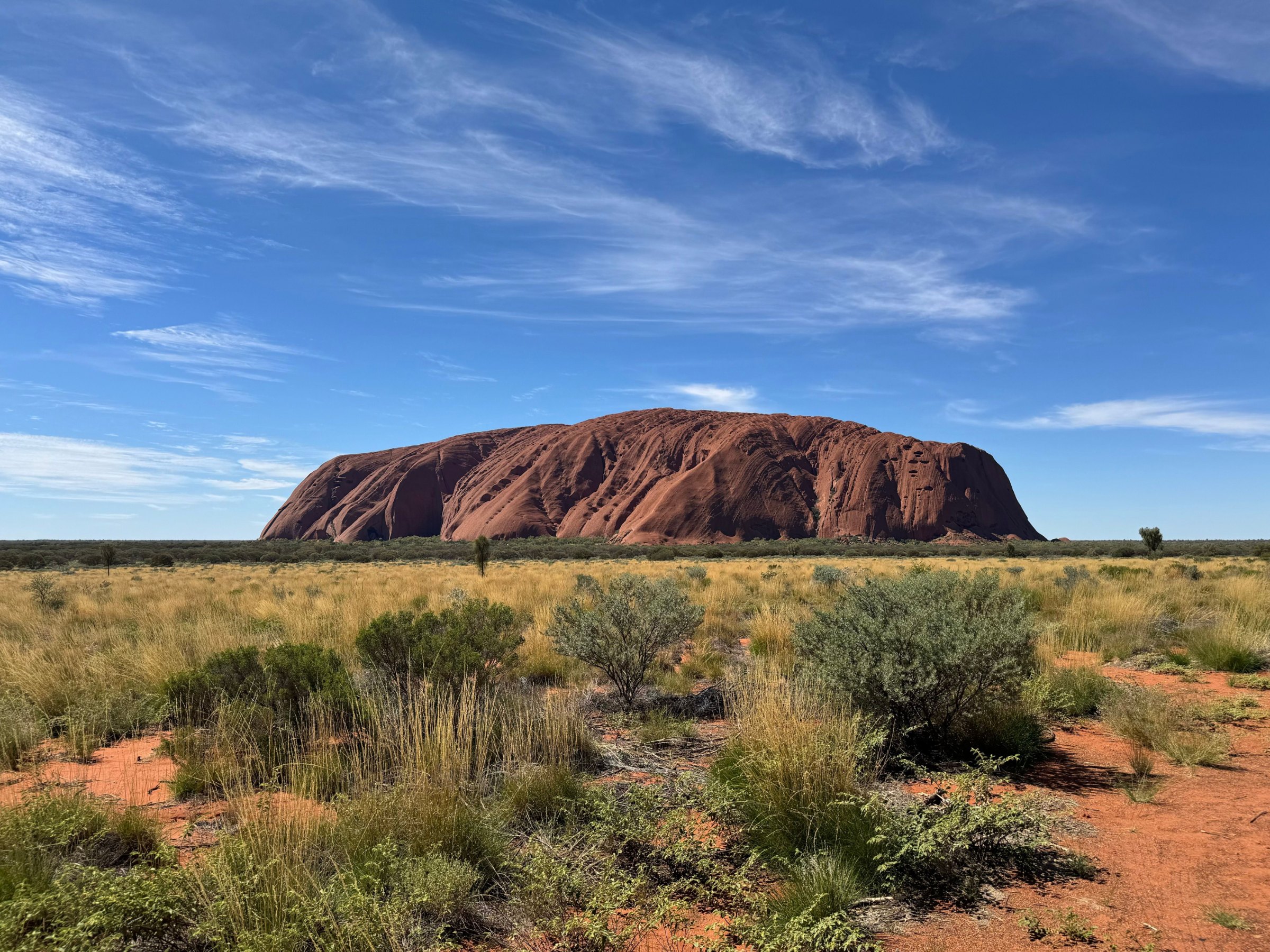
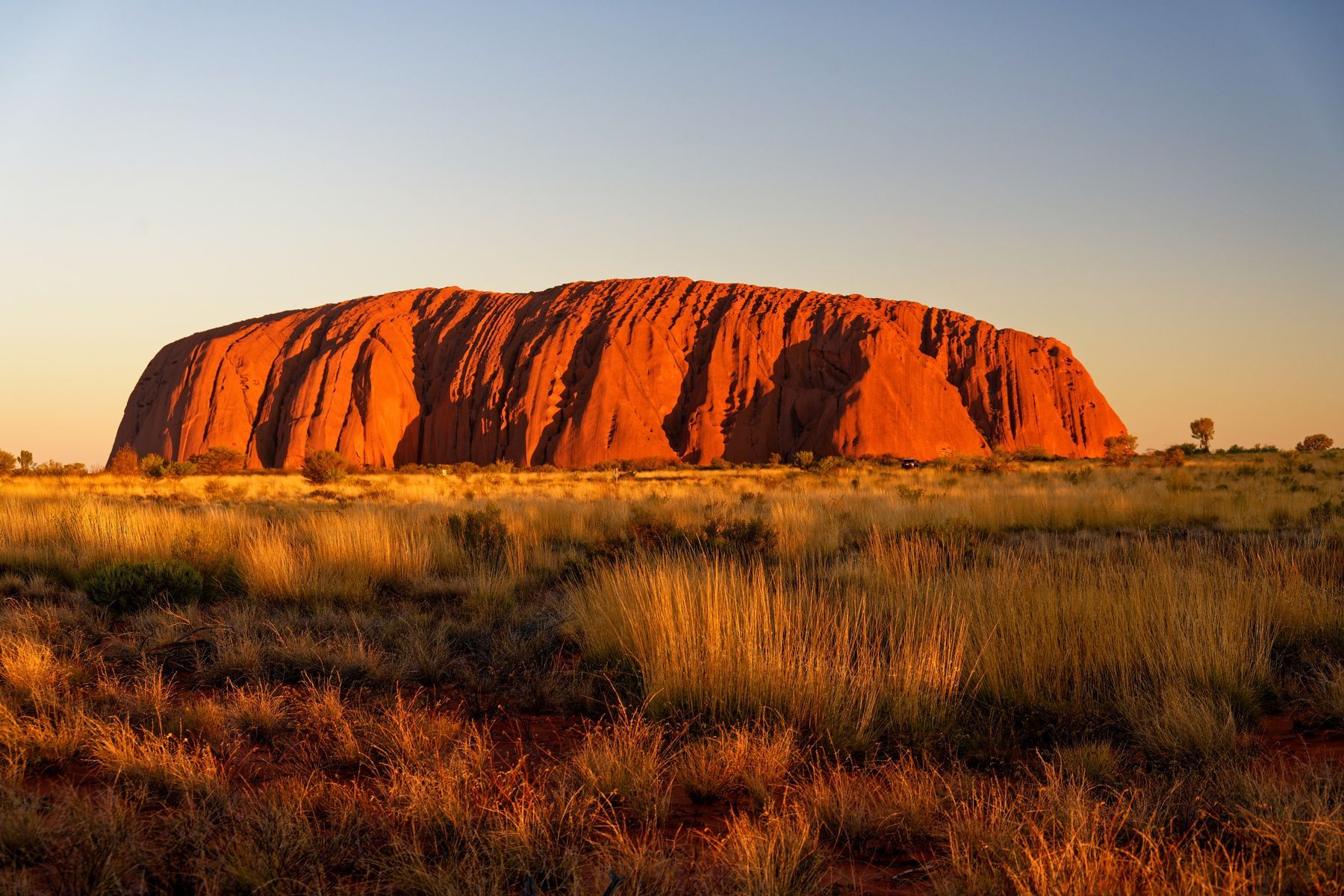
- Dual names: the Northern Territory dual-named Ayers Rock / Uluru in 1993, then reversed the order to Uluru / Ayers Rock in 2002. Most people now just say Uluru. Read more in our guide to Uluru and the Red Centre in the Northern Territory.
- K'gari: Queensland's Fraser Island was officially renamed K'gari, its Butchulla name, on 7 June 2023. It is pronounced "GUR-rie"; the K is silent. You still need permits to drive there.
- Cultural warnings: TV programmes, websites and museums often warn that content contains images, voices or names of people who have died. AIATSIS explains that in some communities these can cause distress or go against cultural prohibitions.
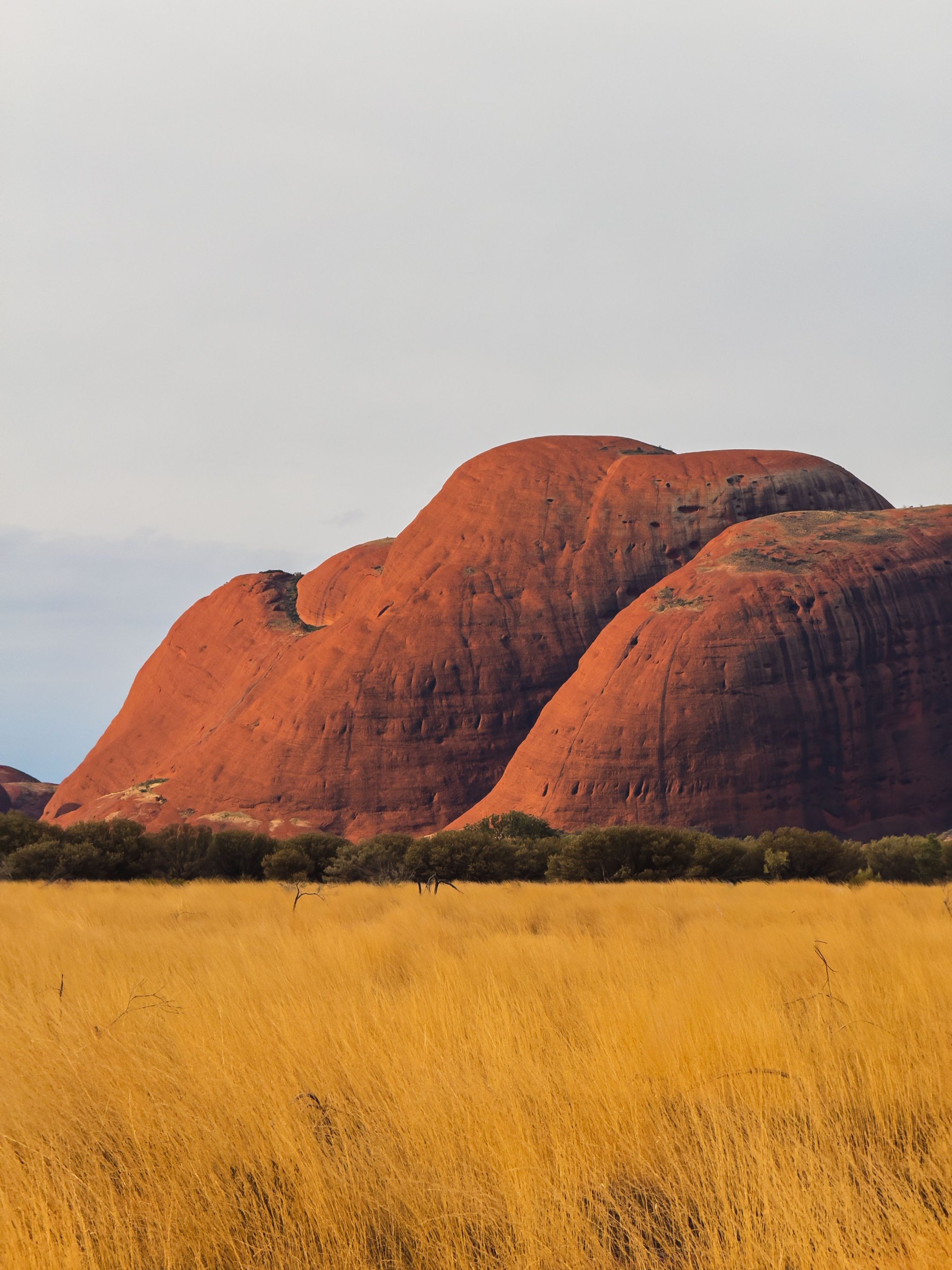
- Photography: at Uluru-Kata Tjuta, Parks Australia asks visitors not to photograph sacred or restricted sites and to ask before photographing Anangu. "Palya" is a friendly greeting there.
None of this requires expertise. Listening, asking and following local signs is enough.
Facts checked October 2026. Protocols vary between First Nations and places; follow the guidance of local Traditional Owners, Land Councils and park staff where you are.
- Acknowledgement of Country and Welcome to Country (Reconciliation Australia)
- Acknowledgement of Country (Common Ground)
- Organising a Welcome to Country (City of Sydney)
- 40 years of the "modern" Welcome to Country (Australian Geographic)
- Richard Walley (National Portrait Gallery)
- Opening of Parliament begins with Welcome to Country (Parliamentary Education Office)
- Welcome to and Acknowledgement of Country Protocol Policy (Wollongong City Council)
- Cleansing ceremony marks new beginning for Westpac Long Gallery (Australian Museum)
- 2020 NAIDOC Week theme announced: Always Was, Always Will Be (NAIDOC)
- Welcome to Country ceremonies "overdone", Dutton claims (National Indigenous Times)
- Place Names Register: Uluru / Ayers Rock (Northern Territory Government)
- About the K'gari name change (Queensland Government)
- Cultural sensitivity (AIATSIS)
- Respecting culture (Parks Australia, Uluru-Kata Tjuta National Park)