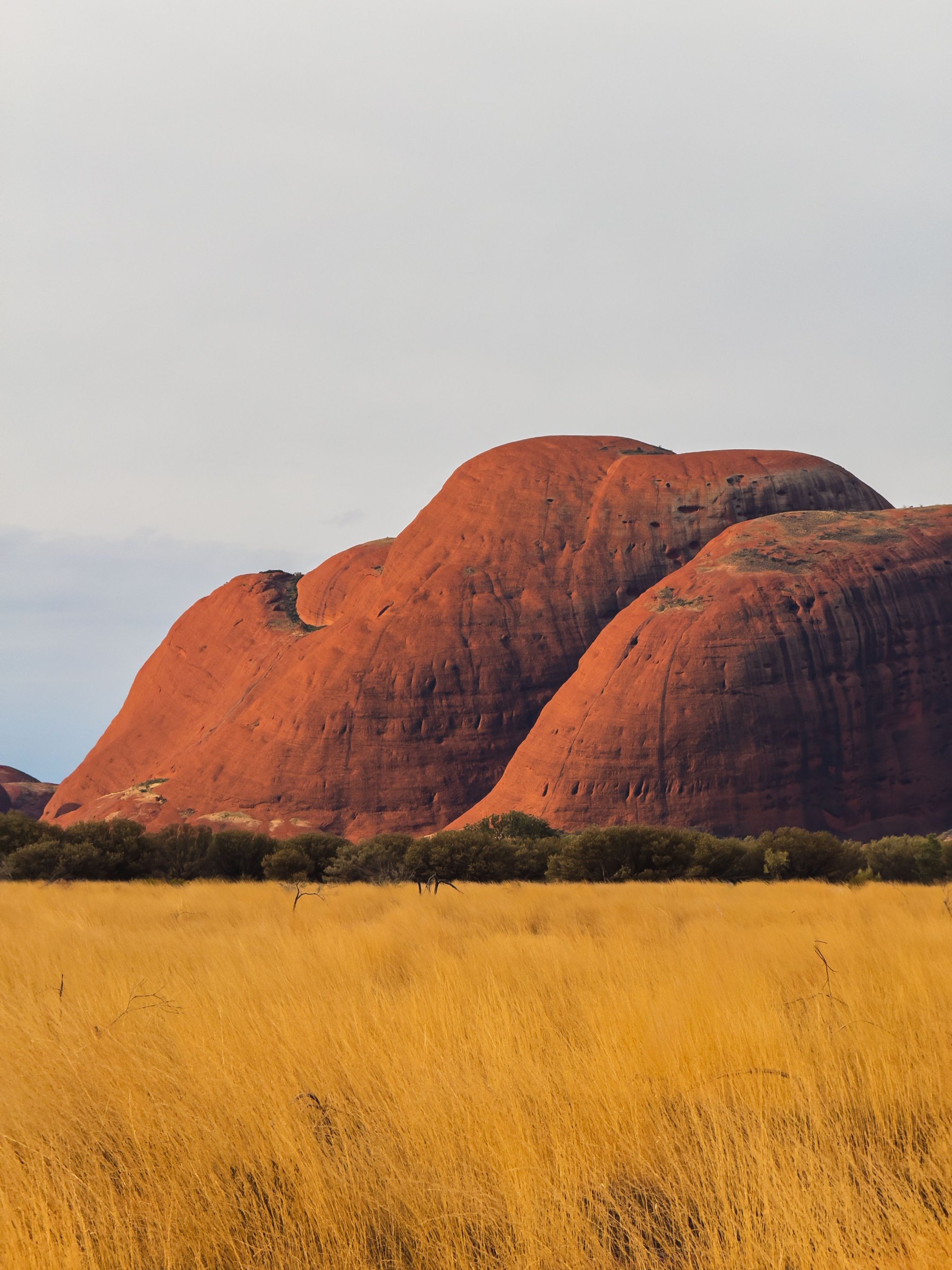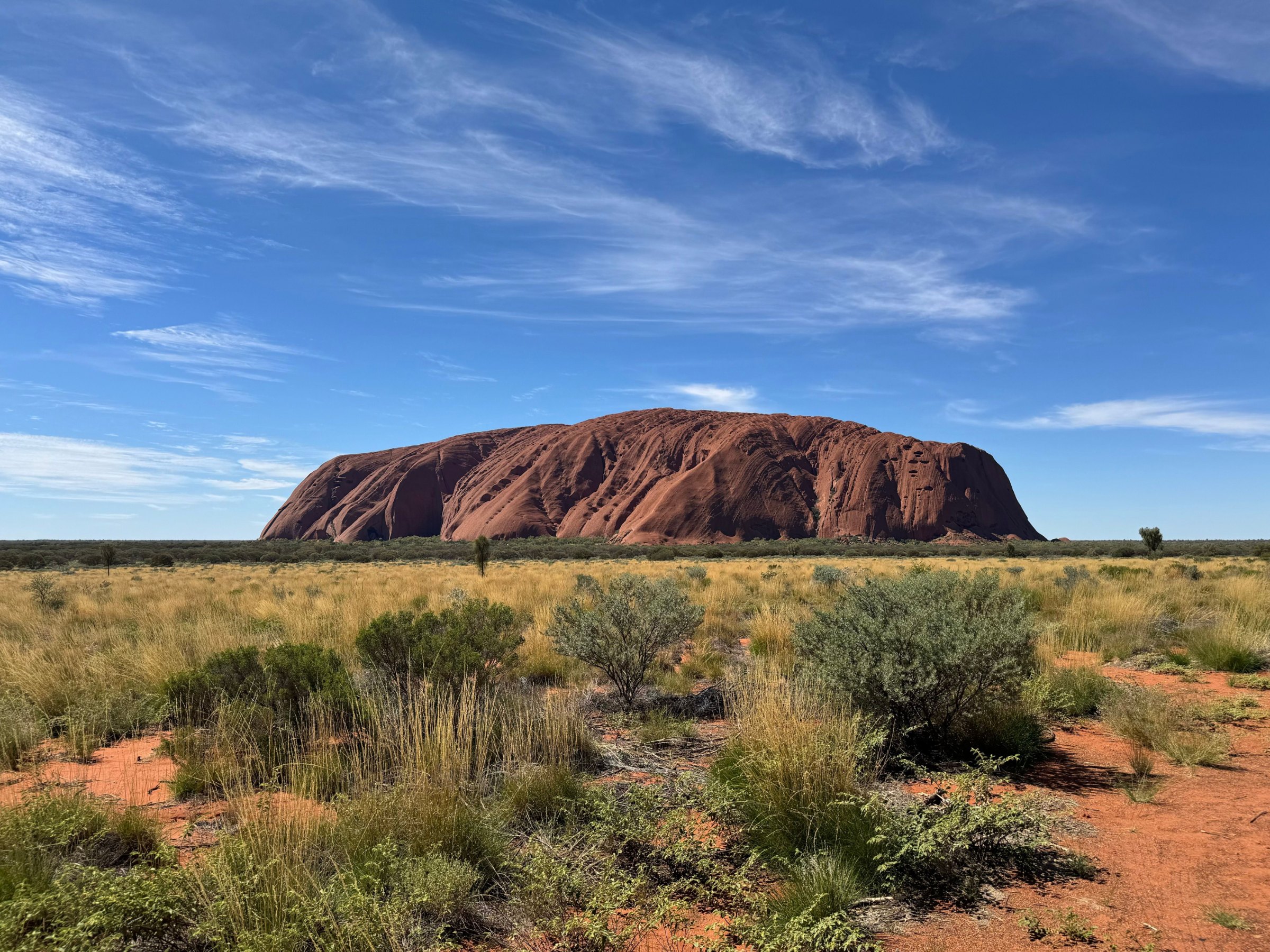
Kakadu is a vast park of wetlands, sandstone escarpment and rock art on Country that Bininj/Mungguy have cared for over tens of thousands of years. It is also a park that changes completely with the seasons. Here is what to see, when to go, what it costs and how to stay safe.
Where is Kakadu National Park and how big is it?
Kakadu is in the Top End of the Northern Territory, about a three-hour drive east of Darwin. It covers almost 20,000 square kilometres, roughly half the size of Switzerland.
The park is dual World Heritage-listed, for both its natural and its cultural values. That means floodplains and billabongs full of birds and crocodiles, the long sandstone wall of the Arnhem Land escarpment, monsoon forest, and some of the most important rock art galleries in the country. The small town of Jabiru, in the north of the park, is the main base, with Cooinda near Yellow Water in the centre.
Who are the Traditional Owners of Kakadu?
Kakadu's Traditional Owners are Aboriginal people known as Bininj in the north of the park and Mungguy in the south. Parks Australia says the area has been home to Aboriginal people for more than 65,000 years, and there are about 19 clan groups, each sharing ownership of an area of land.
Kakadu is jointly managed. Traditional Owners have leased their land to the Director of National Parks, and Bininj/Mungguy and Parks Australia make decisions together, combining traditional knowledge with modern park management. In practice this shapes the visit: some areas are closed because they are sacred sites, ceremonial grounds or burial places, and closures can follow Traditional Owner advice.
A few simple courtesies help. Stay out of restricted areas, ask before photographing people, and listen carefully at ranger and cultural talks. Our guide to visiting Australia respectfully covers more.
What are the six seasons of Kakadu?
Bininj/Mungguy recognise six seasons, each marked by changes in weather, plants and animals, rather than the two (dry and wet) most visitors know. Parks Australia uses the spellings below; older spellings such as Gudjewg, Banggerreng, Yegge, Wurrgeng, Gurrung and Gunumeleng still appear in many books.
- Kudjewk (December to March): the monsoon. Heat, humidity, thunderstorms and flooding, with magpie geese nesting on the wetlands.
- Bangkerreng (April): rain clears and floodwaters fall. Early "knock 'em down" storms flatten the speargrass.
- Yekke (May to mid-June): cooler and less humid, with morning mists and water lilies.
- Wurrkeng (mid-June to mid-August): the "cold" season by Top End standards. Creeks stop flowing and floodplains dry out.
- Kurrung (mid-August to mid-October): hot and dry. Sea turtles nest on the beaches and white-breasted woodswallows arrive.
- Kunumeleng (mid-October to late December): the build-up, with rising humidity and afternoon storms.
For most visitors, Yekke and Wurrkeng are the easiest months, with cooler, drier days. Kurrung is hot, and from Kudjewk to Bangkerreng flooding closes parts of the park. See our best time to visit Australia guide to fit Kakadu around the rest of your trip.
What are the best things to do in Kakadu?
The essentials are the rock art at Ubirr and Burrungkuy, a cruise on Yellow Water, and the cultural and visitor centres. Add a waterfall if the roads and conditions allow.
- Ubirr: a 1 km loop past galleries of x-ray paintings of fish, turtles and goanna, plus a painting of a thylacine. A steep 250 m climb leads to a lookout over the Nadab floodplain, best at sunset.
- Burrungkuy (Nourlangie): a 1.5 km return walk to the Anbangbang gallery and shelter, with Namarrkon (Lightning Man) and paintings of European sailing ships. The main gallery path is wheelchair accessible.
- Yellow Water (Ngurrungurrudjba) cruise: the Indigenous-owned Yellow Water Cruises runs 90- and 120-minute trips on the billabong and the South Alligator River, with saltwater crocodiles, jabirus, brolgas and at least 60 bird species. Book sunrise and sunset trips ahead.
- Warradjan Aboriginal Cultural Centre: exhibits on kinship, Bininj/Mungguy stories, tools and art, often with weaving or art demonstrations. Upgrades run until about April 2027, with activities moved within the centre meanwhile.
- Bowali Visitor Centre: near Jabiru, with displays on the landscape and wildlife and staff to help plan walks.
- Gunlom and Maguk: waterfalls in the south of the park, reached by 4WD. Gunlom's 0.5 km climb leads to rock pools and wide views.
For guided options, our list of Aboriginal cultural tours includes Kakadu experiences led by Traditional Owners.
| Site | When open | What to see |
|---|---|---|
| Ubirr | Most of the year; road can flood in the wet | Rock art, sunset lookout over the floodplain |
| Burrungkuy (Nourlangie) | All year, 7am to 7pm | Anbangbang gallery, Kunwarddehwardde lookout |
| Yellow Water cruise | All year, up to six cruises a day | Crocodiles, wetland birds, buffalo |
| Warradjan Cultural Centre | Daily; 9am to 5pm in the dry | Bininj/Mungguy culture, art and tools |
| Bowali Visitor Centre | Daily except 25 Dec and 1 Jan | Park displays, walk planning |
| Gunlom | Seasonal; high-clearance 4WD only | Waterfall, top rock pools, views |
| Maguk | Seasonal; 4WD essential | Monsoon forest walk, gorge and plunge pool |
| Jim Jim and Twin Falls | Closed in 2026; due to reopen for the 2027 dry season | Escarpment waterfalls and gorges |
Are Jim Jim Falls and Twin Falls open?
No, not in 2026. Parks Australia closed the whole Jim Jim and Twin Falls area, including Karnamarr campground, for the 2026 dry season after cyclones badly damaged the road. Traditional Owners raised safety concerns, and road works are expected to finish by December 2026, with the area set to reopen for the 2027 dry season.
Even when open, this is 4WD country: the Old Jim Jim Road is 4WD only. If you are planning 2027, check the access report before you lock in dates, as reopening depends on the works being finished.
How much is the Kakadu park pass?
An adult pass costs A$40 in the dry season (15 May to 31 October) and A$25 in the tropical summer (1 November to 14 May). Every pass is valid for seven days.
- Children (5 to 15): A$20 dry, A$12.50 tropical summer.
- Family (2 adults, 2+ children): A$100 dry, A$65 tropical summer.
- Concession: A$30 dry, A$19 tropical summer, for eligible Australian pension, Seniors Card and veteran card holders.
- Northern Territory residents: free.
For 2026, Parks Australia cut prices to wet season rates for visits from 1 July to 31 October. Confirm 2027 prices before you go. Buy online from Parks Australia; passes are also sold at Bowali Visitor Centre, Cooinda Lodge and Katherine Visitor Centre.
How many days do you need in Kakadu, and how do you get there?
Plan on three to four days to see the main sites without rushing; a day trip from Darwin covers only a fraction. One day suits Ubirr and Jabiru, one Burrungkuy and Yellow Water, and another a waterfall in the south.
The drive from Darwin takes about three hours on sealed roads, via the Stuart and Arnhem Highways. From Katherine it is also about three hours, via the Kakadu Highway, so you can loop through the park. Jabiru to Cooinda is about an hour.
- No flights: there are no commercial flights to Kakadu. Fly to Darwin, then drive or join a bus or 4WD tour.
- Vehicle: Gunlom, Maguk and the Jim Jim area need a 4WD; some park roads are steep, narrow and slippery when wet, and Parks Australia warns 80 km/h is too fast in most conditions.
- Fuel: available at Jabiru and Cooinda.
Our guide to how many days you need in Australia shows how Kakadu fits into a wider itinerary.
Can you swim in Kakadu?
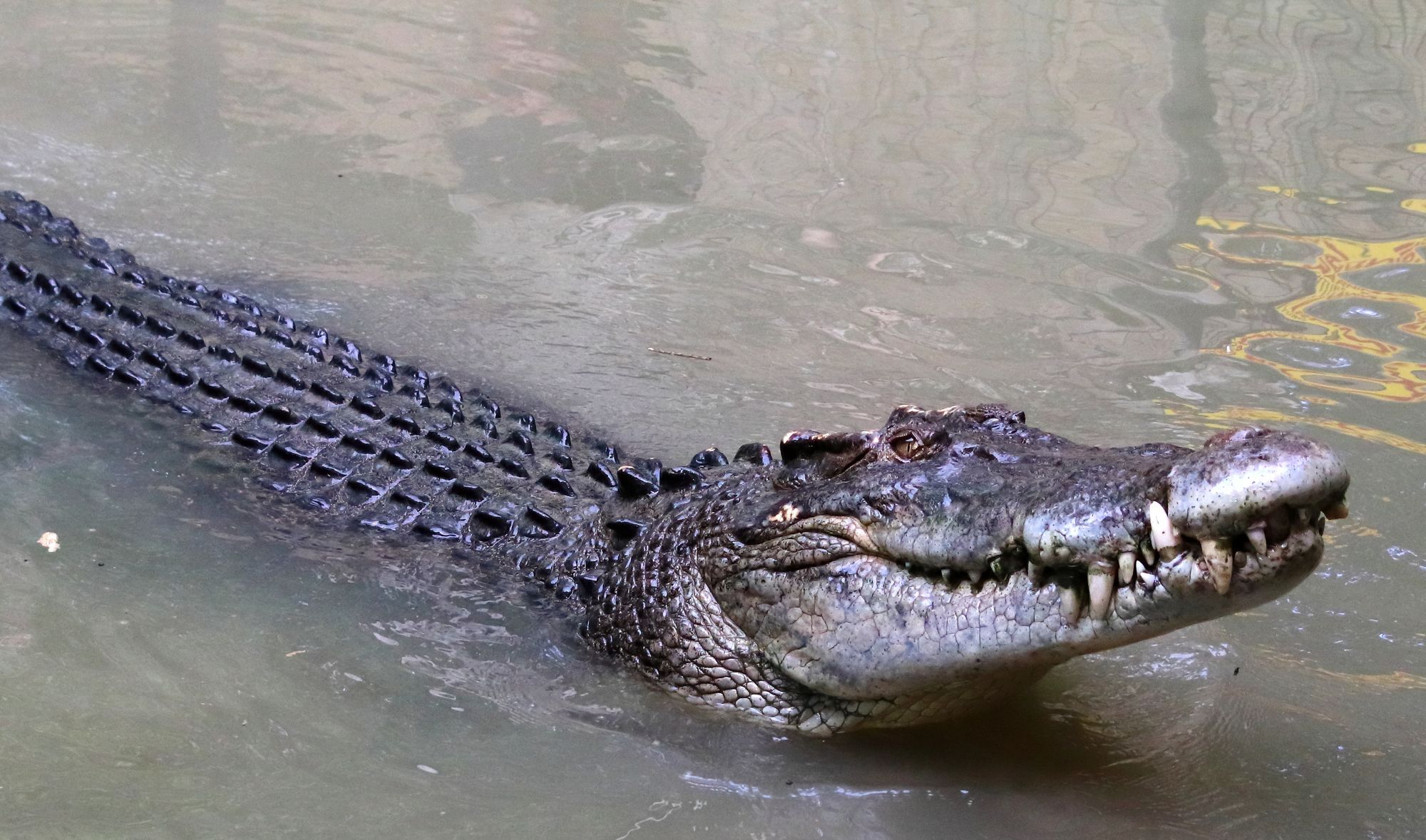
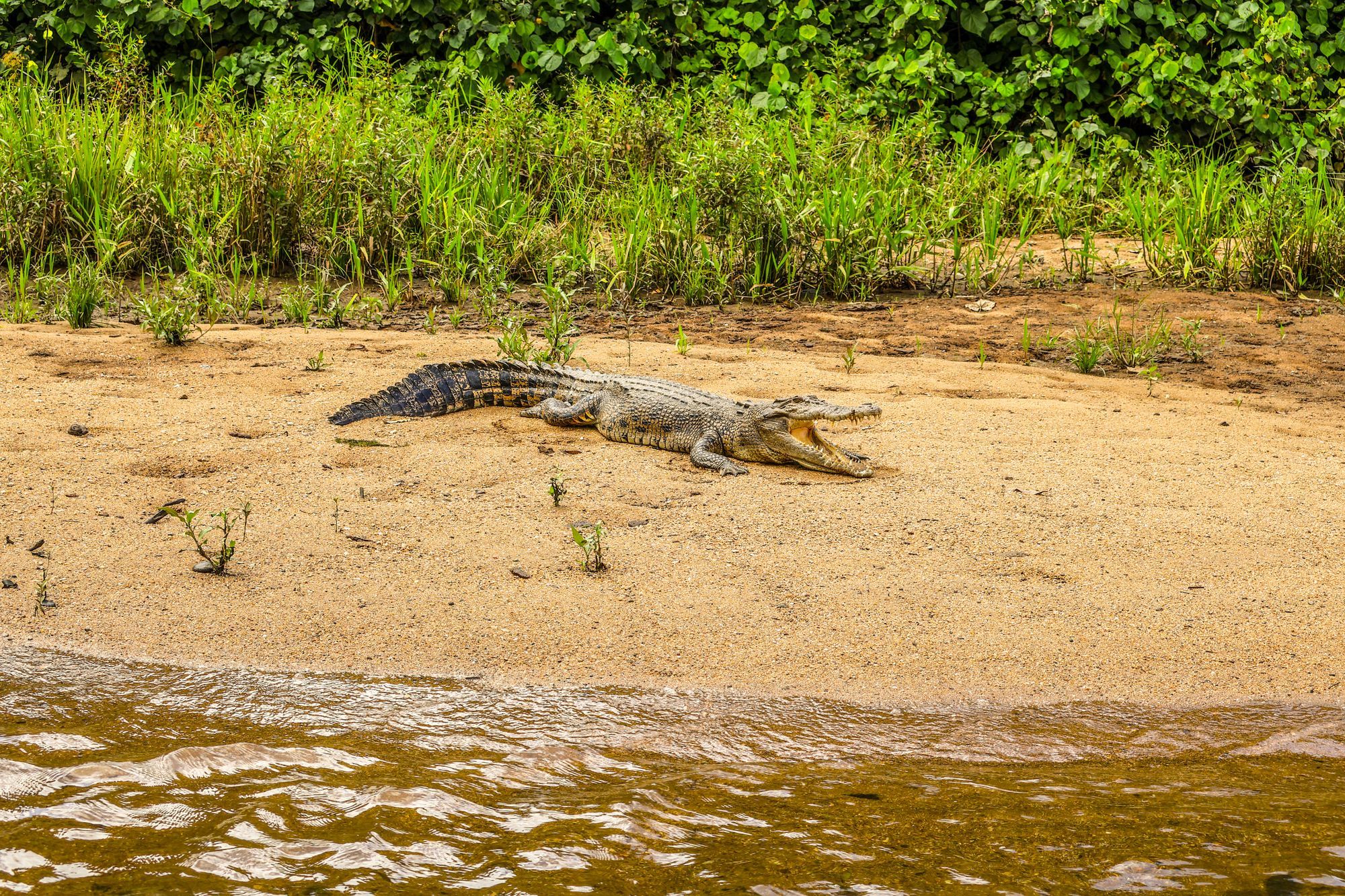
Only with great care, and never where signs warn against it. Parks Australia says the safest place to swim in Kakadu is a public or hotel pool. Saltwater crocodiles live throughout the park and can attack in knee-deep water, so even wading is risky.
- Obey every sign. If there is no sign, assume crocodiles are present.
- Keep back: camp at least 50 m from the water's edge, and stay at least 10 m back when fishing or launching a boat.
- Closures happen: in October 2026 Maguk was closed after a crocodile sighting, and swimming in Gunlom's bottom plunge pool is banned.
- Never swim alone, and stay out of beaches, rivers and billabongs.
The Northern Territory's Be Crocwise program has more advice, and our dangerous animals in Australia guide explains the wider risks. Heat is the other hazard: temperatures regularly pass 30°C and can exceed 40°C, so carry at least a litre of water per person per hour of walking. Most of the park has no mobile coverage, so tell someone your plans. In an emergency, call 000 where you can, or use the emergency call devices at some waterways.
Do roads in Kakadu close in the wet season?
Yes. Parts of the park are closed by flooding in the tropical summer, roughly November to April. Even the road to Ubirr can flood; when it does, the site can sometimes still be reached by a boat cruise on the Magela.
Yellow Water cruises, Burrungkuy's main gallery and the visitor and cultural centres operate all year. Parks Australia publishes a Kakadu Access Report with the status of every site and road; check it each morning, obey ranger closures and never drive through floodwater.
Facts checked October 2026. Site openings, park pass prices and road conditions change often; confirm on the Kakadu Access Report and Parks Australia website before you travel.
- About us: joint management of Kakadu (Parks Australia)
- Culture: Bininj/Mungguy and Kakadu (Parks Australia)
- Kakadu's six seasons (Parks Australia)
- Park passes (Parks Australia)
- Reduced park pass pricing announced for visitors to Kakadu (Parks Australia)
- Jim Jim and Twin Falls area to remain closed in 2026 (Parks Australia)
- Kakadu Access Report (Parks Australia)
- Getting here (Parks Australia)
- Staying safe in Kakadu (Parks Australia)
- Ubirr walk (Parks Australia)
- Burrungkuy (Nourlangie) walk (Parks Australia)
- Yellow Water Cruises (Parks Australia)
- Visitor centres: Bowali and Warradjan (Parks Australia)
- Be Crocwise (Northern Territory Government)