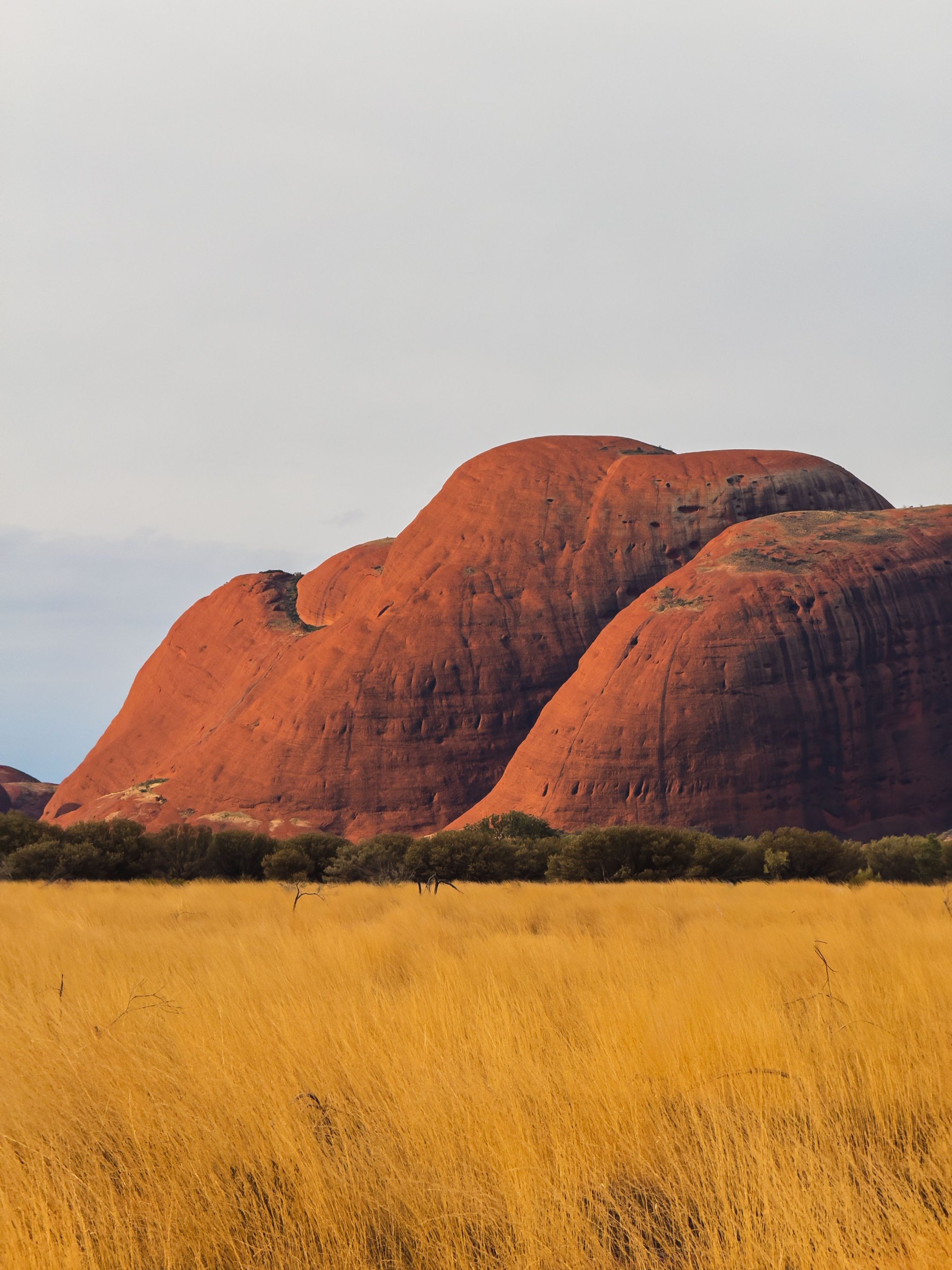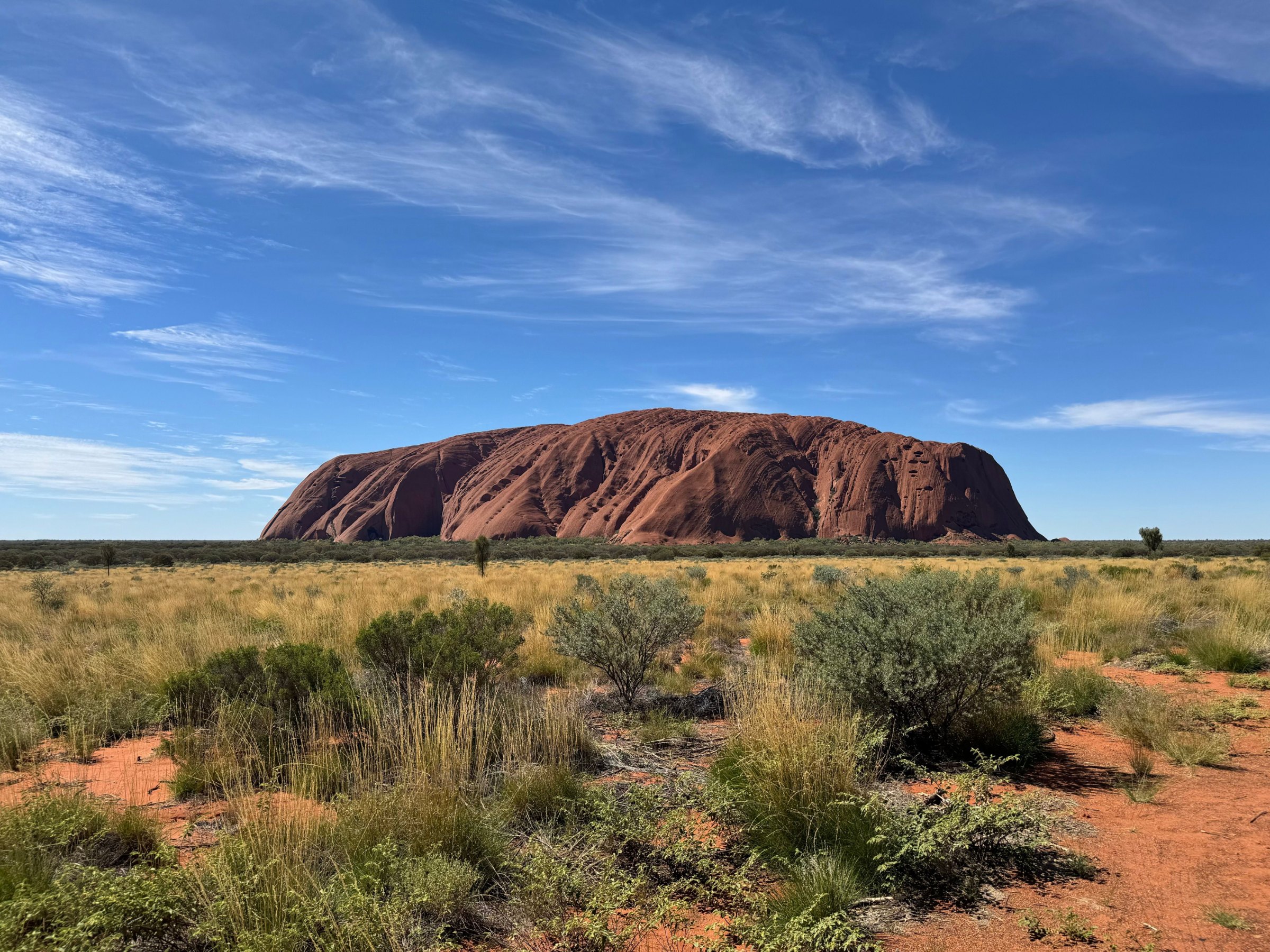
Wherever you travel in Australia, you are on the Country of an Aboriginal or Torres Strait Islander people. Their cultures are the oldest continuing cultures on Earth, made up of hundreds of nations, each with its own language, law and land. This guide answers the questions visitors ask most, from how long people have lived here to what happened after 1788.
Who are Aboriginal and Torres Strait Islander peoples?
They are the First Peoples of Australia: the descendants of the people who lived across the continent and its islands long before British colonisation began in 1788. Together they are often called First Nations or Indigenous Australians.
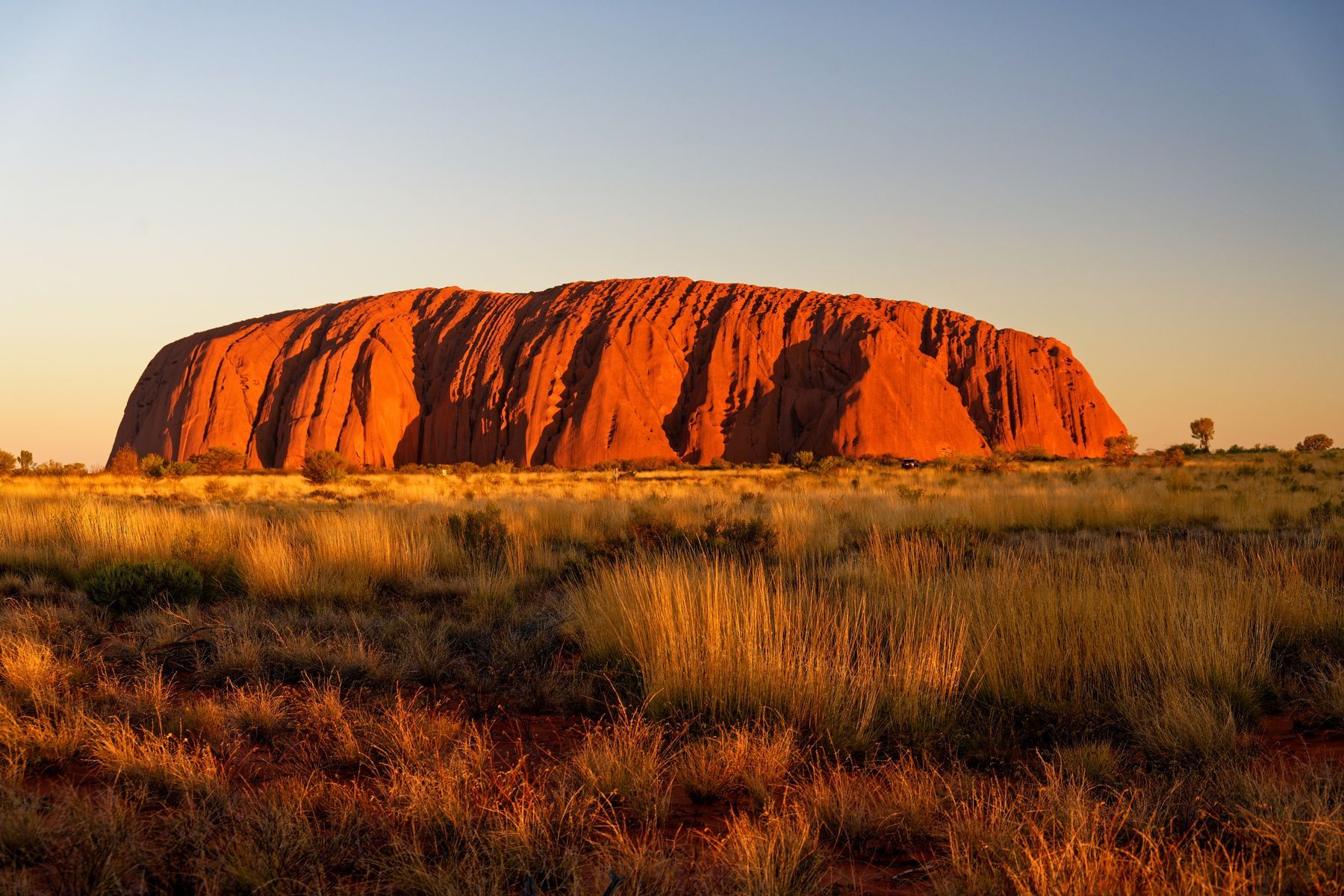
They are not one group. There are hundreds of distinct nations, clans and language groups, from the Anangu of Uluru and the Mirarr of Kakadu to the Meriam people of Mer in the Torres Strait. Each has its own territory, kinship system, law, stories and ceremonies. Beliefs and customs differ between them, so what is true at Uluru may not apply in Arnhem Land or Tasmania.
When you can, use the name of the specific people whose Country you are on. Signs, park centres and local guides will usually tell you.
How long have Aboriginal people lived in Australia?
For at least 65,000 years, according to the dating of Madjedbebe, a rock shelter on Mirarr land surrounded by Kakadu National Park in the Northern Territory. The excavation, led by the University of Queensland in partnership with the Mirarr Traditional Owners, was published in 2017.
Before that, some archaeologists put the first arrival at about 47,000 years ago, and scientists still debate the exact figure. What is not in doubt is the continuity: many Aboriginal communities hold that they have always been on their Country, and their cultures have been passed down through countless generations.
What is the difference between Aboriginal and Torres Strait Islander peoples?
They are two distinct groups of First Peoples with different histories, languages and cultures. Aboriginal peoples come from mainland Australia, Tasmania and many nearby islands. Torres Strait Islander peoples come from the islands of the Torres Strait, between the tip of Cape York in Queensland and Papua New Guinea.
- Islands: the Torres Strait Regional Authority serves 17 inhabited islands in five cluster groups, plus the mainland communities of Bamaga and Seisia.
- Languages: the two traditional languages are Kala Lagaw Ya in the western and central islands and Meriam Mir in the eastern islands. Most Islanders also speak Torres Strait Creole, also known as Yumplatok.
- Identity: some people are both. In the 2021 Census, 4.4% of First Nations people identified as both Aboriginal and Torres Strait Islander.
This is why official bodies say "Aboriginal and Torres Strait Islander peoples" rather than one name for everyone.
How many Aboriginal languages are there?
At the time of colonisation there were more than 250 Indigenous languages, including around 800 dialects, according to the Australian Institute of Aboriginal and Torres Strait Islander Studies (AIATSIS). Its Map of Indigenous Australia shows the general location of these language, social and nation groups.
AIATSIS stresses that the map is approximate. Its borders are deliberately blurred, some information is contested, and it cannot be used for native title claims.
Today far fewer are in daily use. The most recent National Indigenous Languages Survey found that 123 First Nations languages are still spoken, and 14 of them are classed as strong. Many communities are working to revive and teach their languages. You will see this on signs, in dual place names and in Welcomes to Country.
What does Country mean to Aboriginal people?
Country is the term many Aboriginal peoples use for the lands, waterways and seas they are connected to. AIATSIS notes that it also takes in law, place, custom, language, spiritual belief, cultural practice, food and resources, family and identity. People speak of belonging to Country, not owning it.
Country is closely linked to what English often calls the Dreaming. You may also hear "Dreamtime", but many communities prefer "the Dreaming" or words in their own languages, because these are not stories of a distant past but law that still applies. At Uluru, Anangu use the word Tjukurpa for their traditional law, stories and spirituality, which they say "lives in the land and the people". Our guide to the Dreaming explains more.
How many First Nations people live in Australia today?
About 983,700 people, or 3.8% of Australia's population, according to the Australian Bureau of Statistics estimate for 30 June 2021. The 2021 Census itself counted 812,728 people who identified as Aboriginal and/or Torres Strait Islander, or 3.2%. The estimate is higher because it adjusts for people the Census did not count.
| Group or place | 2021 figure | Source |
|---|---|---|
| Aboriginal only | 91.4% of First Nations people | 2021 Census |
| Torres Strait Islander only | 4.2% | 2021 Census |
| Both Aboriginal and Torres Strait Islander | 4.4% | 2021 Census |
| New South Wales | 339,710 people (4.2% of the state) | ABS estimate |
| Queensland | 273,119 people (5.2% of the state) | ABS estimate |
| Northern Territory | 76,487 people (30.8% of the territory) | ABS estimate |
The largest numbers live in New South Wales and Queensland, while the Northern Territory has by far the highest share of its population.
What happened to Aboriginal people after colonisation?
British colonisation from 1788 brought dispossession of land, disease and violent conflict on the frontier. The University of Newcastle's massacre mapping project records colonial frontier massacres from 1788 to 1930, defining a massacre as the deliberate and unlawful killing of six or more defenceless people in one operation.
Later government policies removed many children from their families. The 1997 Bringing Them Home report estimated that between 1 in 10 and possibly 1 in 3 Aboriginal and Torres Strait Islander children were removed between 1910 and the 1970s. They are known as the Stolen Generations.
| Date | Event | What it meant |
|---|---|---|
| 26 January 1788 | British flag raised at Sydney Cove | Start of British colonisation |
| 1962 | Federal voting rights | All First Nations people could vote in federal elections |
| 27 May 1967 | Referendum, 90.77% Yes | Counted in the population; Commonwealth could make laws for them |
| 3 June 1992 | High Court Mabo decision | Rejected terra nullius; led to the Native Title Act 1993 |
| 26 May 1997 | Bringing Them Home tabled | National inquiry into the Stolen Generations |
| 13 February 2008 | National Apology | Prime Minister Kevin Rudd apologised to the Stolen Generations |
| 14 October 2023 | Voice referendum | Rejected: 60.06% No, 39.94% Yes |
The 1967 referendum did not give First Nations people the vote, a common myth; federal voting rights came in 1962. The Mabo case was brought by Eddie Mabo and other Meriam people, and the High Court recognised their traditional ownership of Mer (Murray Island).
In 2023 Australians were asked to recognise Aboriginal and Torres Strait Islander peoples in the Constitution by creating an advisory body, the Voice to Parliament. The proposal did not pass nationally or in any of the six states. Supporters saw it as practical recognition; opponents raised concerns about its design and its place in the Constitution. Views differed among First Nations people too. Our history of Australia covers these events in more depth.
How can visitors learn about First Nations culture respectfully?
The best way is to learn directly from First Nations people, on their terms and on their Country.
- Join a First Nations-led tour or cultural centre. The Cultural Centre at Uluru-Kata Tjuta is a good start, and many national parks offer ranger and guided walks. See our guide to Uluru and the Red Centre.
- Understand the welcome. Only Traditional Owners can give a Welcome to Country, while anyone can give an Acknowledgement of Country. Our Welcome to Country explainer covers the difference.
- Follow local rules at sacred sites. Stay on marked tracks, respect photo restrictions and ask before photographing people.
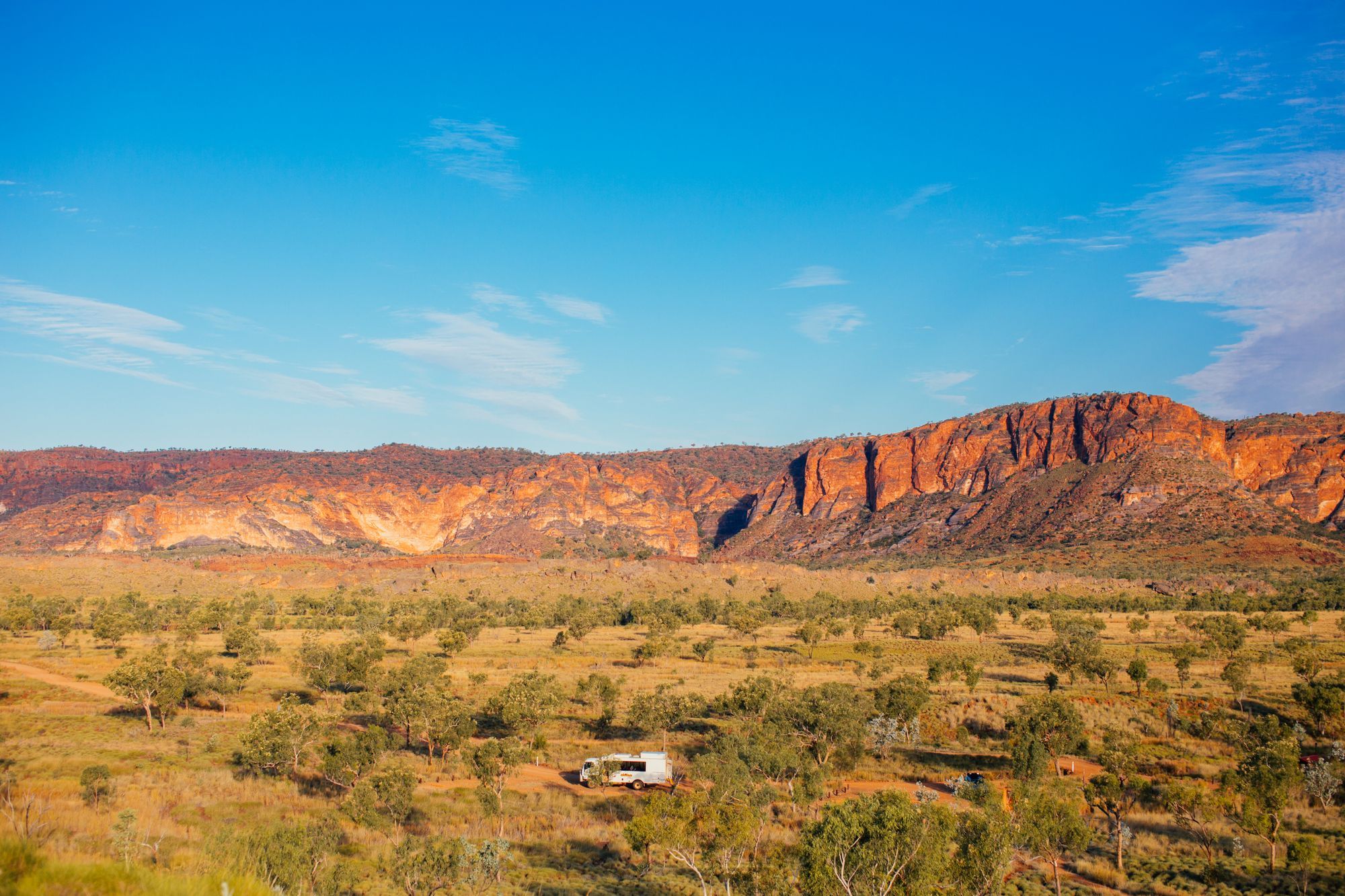
- Check if you need a permit. Much Aboriginal land is private, and some communities need a permit to enter.
- Time your trip. National Reconciliation Week runs from 27 May to 3 June every year, marking the 1967 referendum and the Mabo decision, with public events across the country.
Above all, listen more than you ask, and accept that some knowledge is not shared with outsiders. For practical rules on sacred sites, permits and photos, read Visiting Australia Respectfully.
Facts checked October 2026. Population figures are from the 2021 Census and ABS estimates; results from the 2026 Census may update them. Language and map details follow AIATSIS, which notes that boundaries are approximate and some information is contested.
- Map of Indigenous Australia (AIATSIS)
- Target 16: Aboriginal and Torres Strait Islander languages (Closing the Gap)
- Welcome to Country (AIATSIS)
- The 1967 referendum (AIATSIS)
- Estimates of Aboriginal and Torres Strait Islander Australians, June 2021 (Australian Bureau of Statistics)
- Census counts of Aboriginal and Torres Strait Islander Australians, 2021 (Australian Bureau of Statistics)
- Kakadu find confirms earliest Australian occupation (University of Queensland)
- The Torres Strait: general history (Torres Strait Regional Authority)
- Torres Strait Islander everyday words (State Library of Queensland)
- Mabo decision (National Museum of Australia)
- 1997 Bringing Them Home report (National Museum of Australia)
- Anniversary of the Apology to Australia's Indigenous Peoples (National Indigenous Australians Agency)
- 2023 Referendum national results (Australian Electoral Commission)
- Map of colonial frontier massacres (Australian Museum)
- National Reconciliation Week (Reconciliation Australia)
- Anangu culture (Parks Australia)