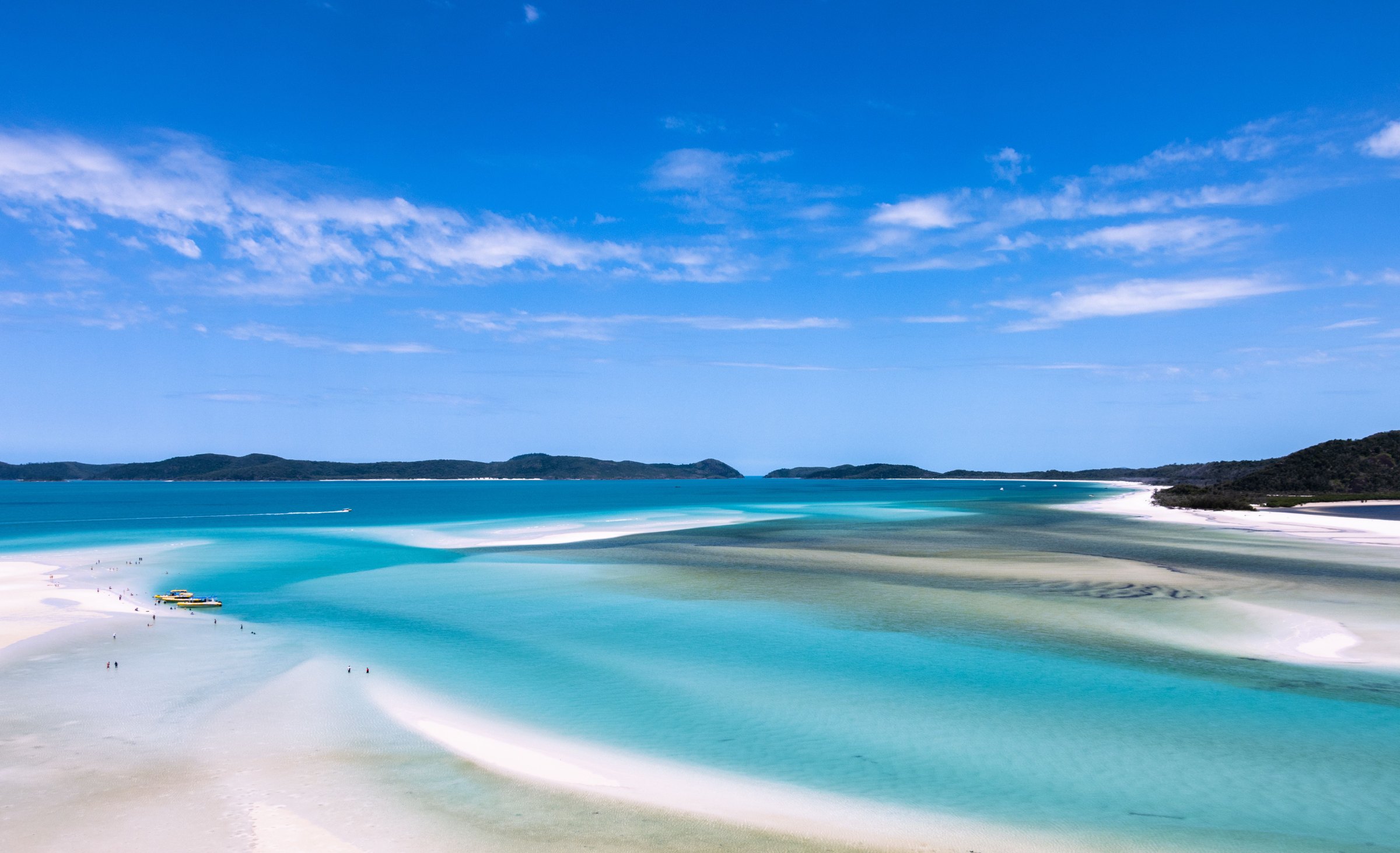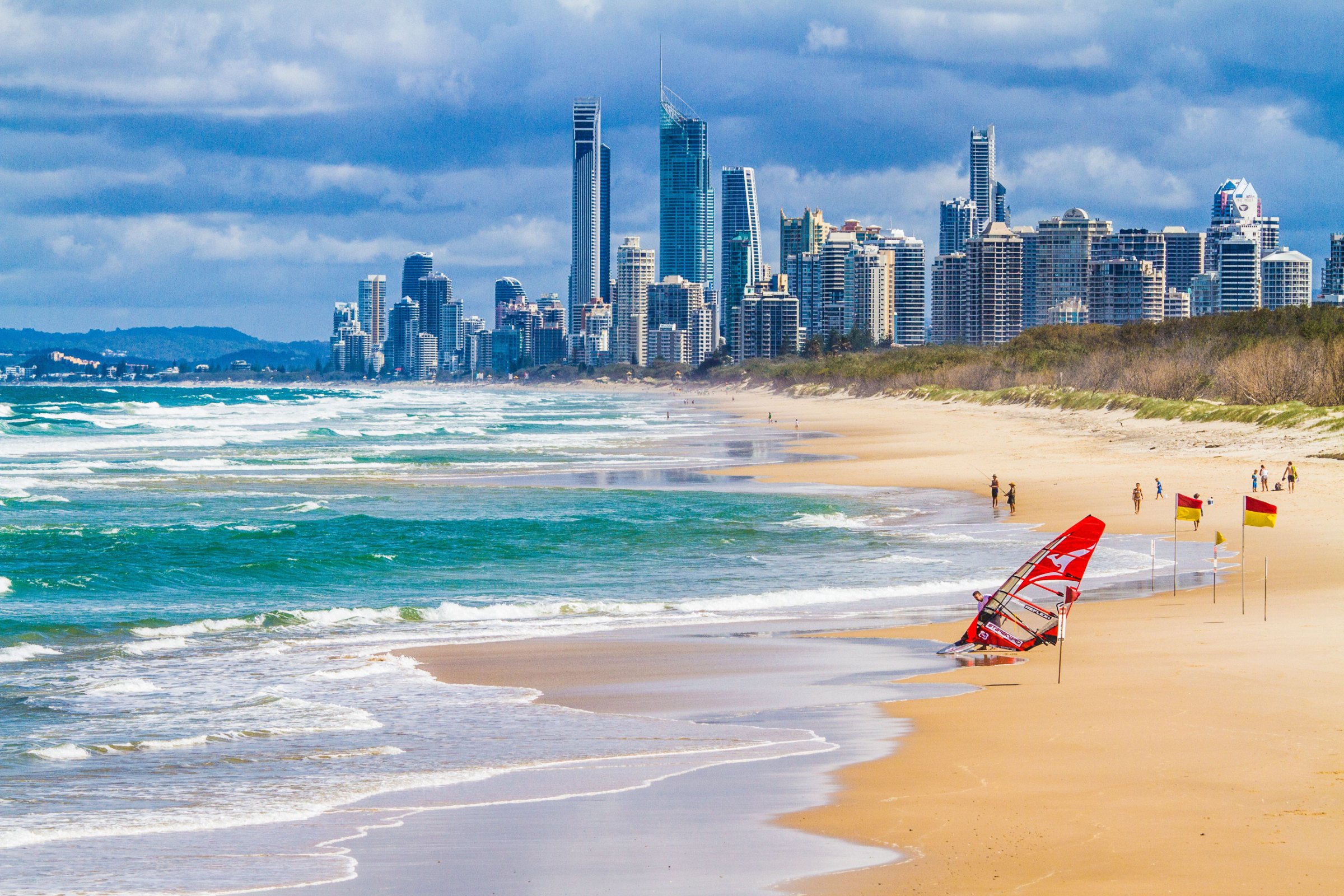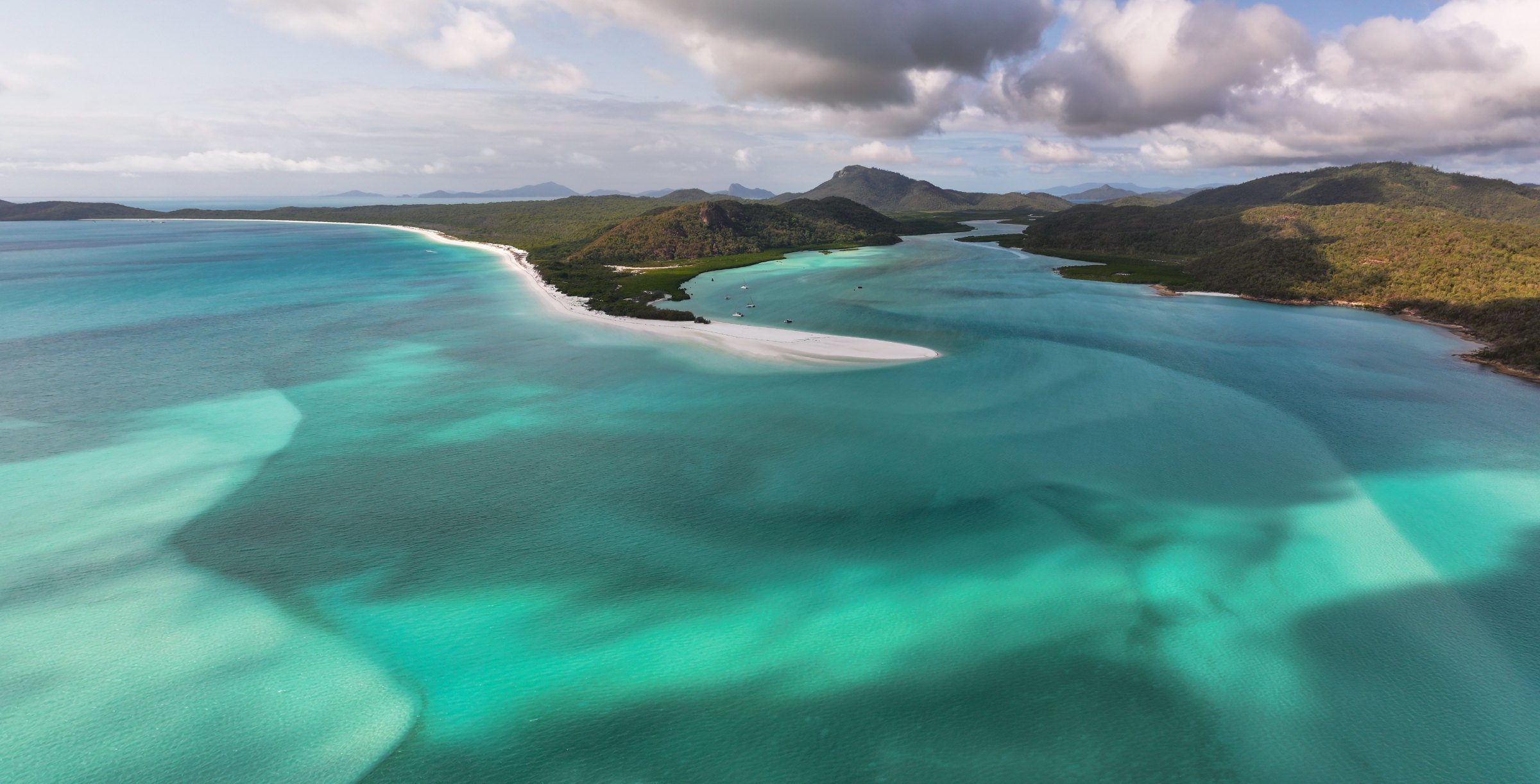
Australia's ocean is warm in the north, clear in the west and inviting everywhere, but most of its beaches face open surf, and rips catch swimmers every summer. The good news: every state has calm, patrolled beaches and ocean pools that are perfect for children. Here are the beaches we would pick for a family day in Sydney, Queensland and Western Australia.
Are Australia's beaches safe for kids?
Yes, if you choose the right beach on the right day. The same beach can be a gentle paddling spot one morning and a rip-filled surf beach the next. As a rule, sheltered bays and harbours are calmer than open surf beaches, and the tropical north needs stinger nets in summer. Look for the red and yellow flags, read the signs at the entrance, and ask the lifesavers where the safest spot is that day: they are friendly, and that is their job.
The safest places for small children are spots with a natural or built barrier against the waves: a headland, a rock pool or a netted enclosure. Several of the picks below are exactly that.
What are the safest beaches in Sydney for families?
Sydney's ocean pools are the city's secret weapon for families: Bronte Baths is free, sits under the south headland and has a grassy park with barbecues next door. On the Northern Beaches, Collaroy Rockpool has a kids' splash section with a playground near the car park, and Mona Vale has a shallow area for waders. In the harbour, the netted Murray Rose Pool at Redleaf Beach has flat water and a timber pontoon.
Bondi works for older children if you stay between the flags, usually at the calmer northern end; the south end has a notorious rip known as the Backpackers Express. Near Manly, Shelly Beach faces away from the surf and is often calm enough to snorkel.
What are the safest beaches in Queensland for families?
Stinger season · November to May
In tropical Queensland, box jellyfish and Irukandji are most common from November to May. Swim only at patrolled beaches, inside stinger nets where they are installed, and put children in full-length stinger suits. Never swim in creeks or estuaries there: it is crocodile country. Check the Surf Life Saving Queensland stinger advice before you go.
Noosa Main Beach on the Sunshine Coast is one of Queensland's best family beaches. It faces north, so it is sheltered from the prevailing swell, lifeguards watch it, and Noosa National Park's coastal walk starts at the end of the boardwalk. On the Gold Coast, the calm, shallow water of Tallebudgera Creek is a local favourite for small children, and Greenmount Beach, tucked in behind its point, is often gentler than the open coast.
In the tropical north, the free Cairns Esplanade Lagoon is the safest swim in town, with no stingers and no crocodiles. Holloways Beach, the nearest patrolled beach to the city, is another option in summer.
What are the safest beaches in Western Australia?
Perth is the easiest choice. Cottesloe has patrolled sand and calm water in the mornings, before the afternoon sea breeze picks up. North of the city, the reef-protected lagoon at Mettams Pool is shallow and good for a first snorkel, and Coogee Beach south of Fremantle is usually gentle. On Rottnest Island, The Basin and Pinky Beach are shallow reef lagoons.
Skip exposed surf beaches such as Trigg with small children unless the lifesavers say the water is calm: its rips and reef catch even strong adult swimmers every year.
Which beaches should families avoid?
Rips are the main hazard on Australian beaches, and the most dangerous spots are often the most photogenic. With children, avoid Tamarama in Sydney (strong rips in a small bay), the south end of Bondi, and any rock platform in big swell. In Queensland, never swim at K'gari's ocean beaches, which are unpatrolled with strong currents and sharks, and stay out of creeks, rivers and estuaries in crocodile country. In the north, avoid any beach without nets during stinger season, and in the west, steer clear of remote unpatrolled surf beaches. They are stunning to look at and dangerous to swim.
What are the golden rules for a safe beach day?
- Swim between the red and yellow flags, and ask the lifesavers about conditions before you go in.
- Watch the water for 5 to 10 minutes first. Big sets often arrive after a calm spell.
- Never turn your back on the ocean, especially on the sand at the water's edge or on rock platforms, where waves knock people over.
- If you are caught in a rip, do not fight it. Float, raise an arm for help, and swim parallel to the beach or towards breaking waves.
- Keep small children within arm's reach in the water, and give weaker swimmers a life jacket.
- In the tropics, use stinger nets and suits from November to May, carry vinegar, and never swim where crocodile warning signs are posted.
- Use SPF 50 sunscreen, a rash vest and a hat, and reapply often; the Australian sun is strong even on cloudy days.
For more, read our full guide to ocean safety in Australia and our pick of the best beaches in Australia.
Facts checked October 2026. Patrol times and stinger seasons are general guidance; conditions change daily, so always ask the lifesavers before you go in.