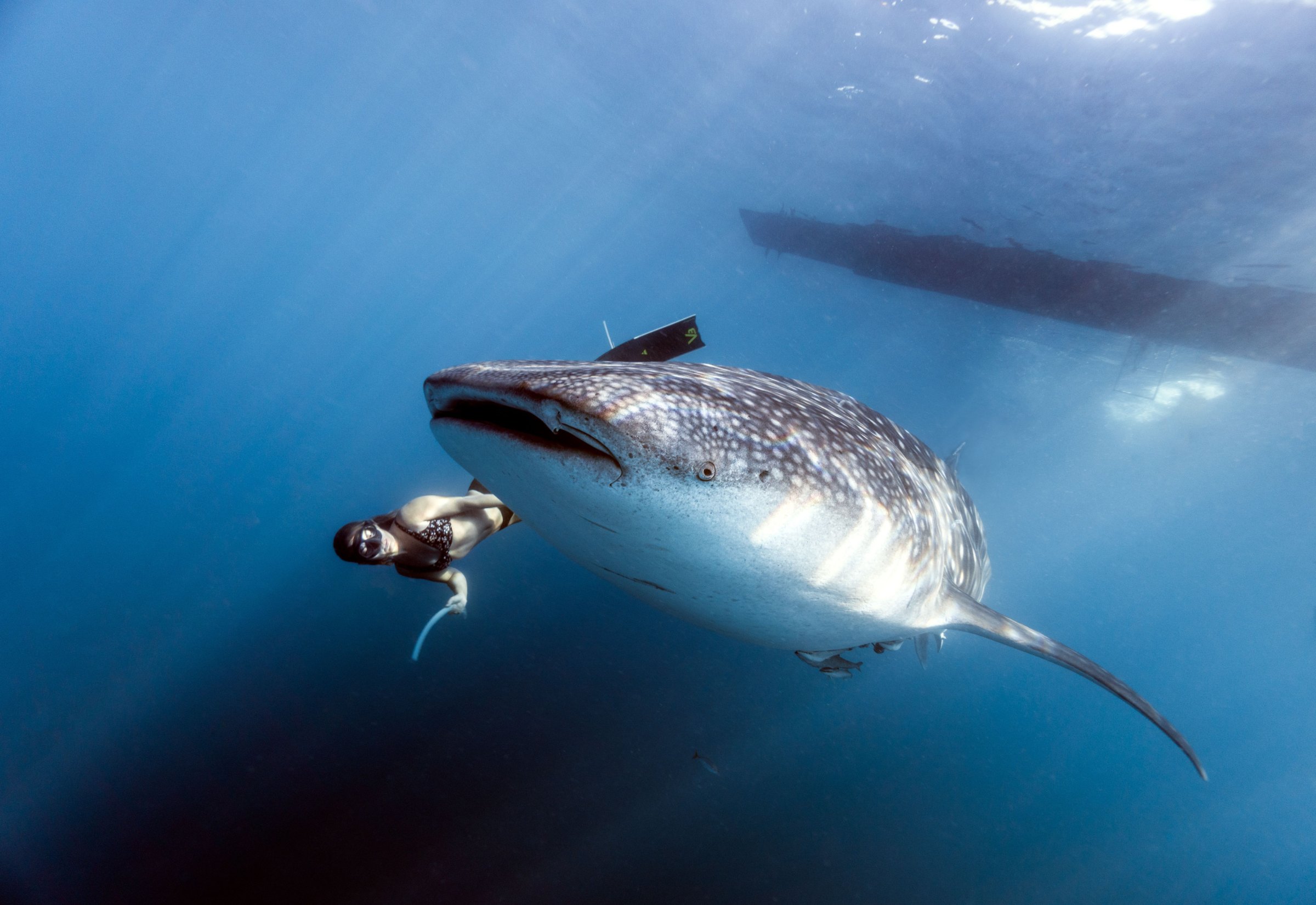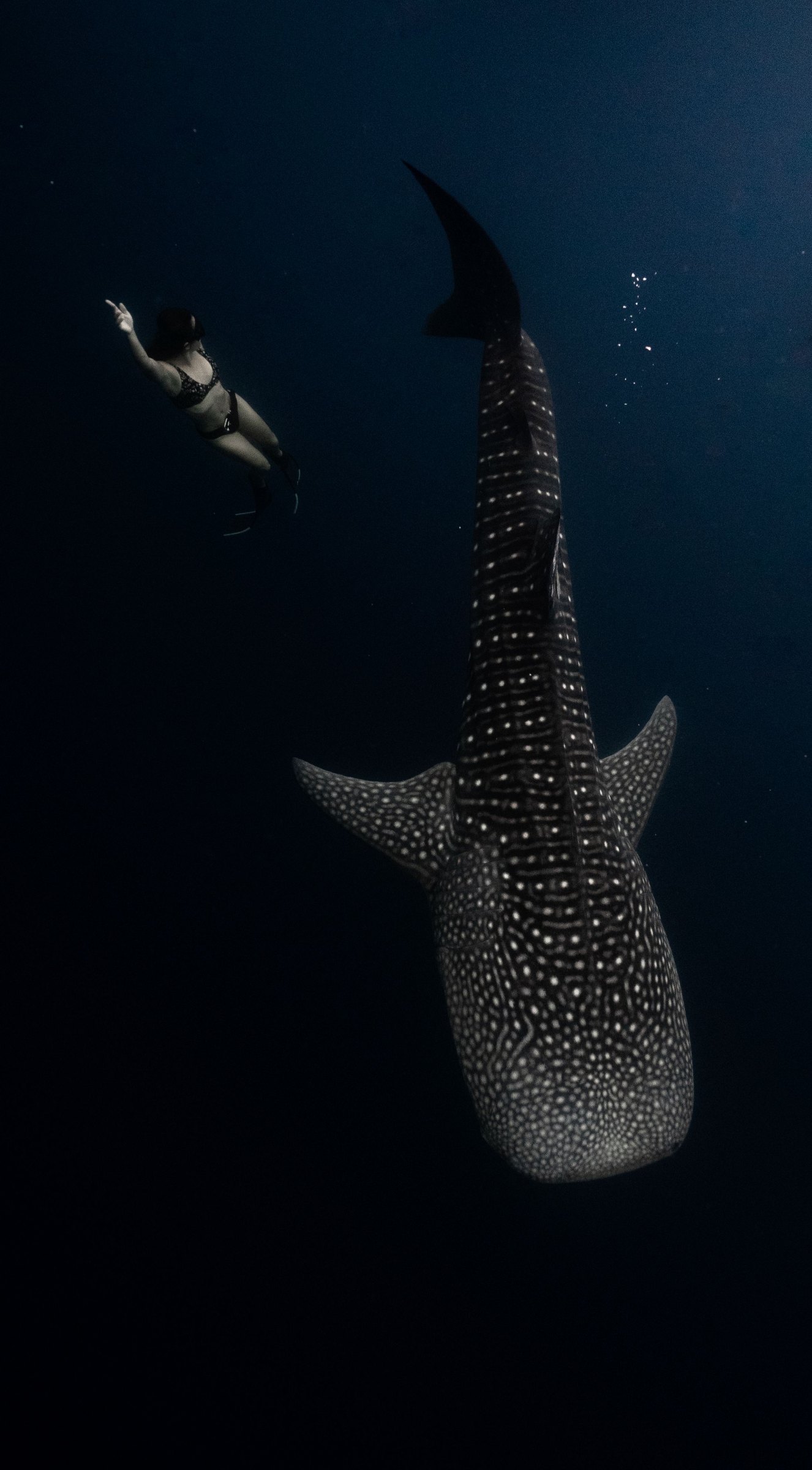
Ningaloo is where the red desert of Western Australia runs straight into a coral reef. Exmouth and tiny Coral Bay are the two bases, and the season you pick decides what you swim with: whale sharks, humpbacks, mantas or nesting turtles. Here is how to plan the trip.
How do you get to Exmouth and Ningaloo?
Most visitors fly. Qantas runs daily flights from Perth to Learmonth Airport, which takes about two hours and sits 36 km south of Exmouth, inside the RAAF Learmonth base. A shuttle meets flights and takes you to Exmouth accommodation; Coral Bay needs a booked transfer.
The alternative is one of the best road trips in Australia. The Coral Coast Highway from Perth to Exmouth is about 1,250 km, and road-trip itineraries usually allow four days or more, stopping at Cervantes, Kalbarri and Shark Bay. Integrity Coach Lines also runs coaches between Perth and Broome via Exmouth.
Either way, plan on a car. Cape Range National Park, Coral Bay and the turtle beaches are spread out and public transport does not reach them. Read our guide to driving in Australia before you hire, especially the advice on wildlife and fatigue on long outback roads.
Should you stay in Exmouth or Coral Bay?
Stay in Exmouth if you want Cape Range, the most tour choice and a real town with supermarkets and restaurants. Stay in Coral Bay if you want to walk from your room onto the reef.
- Exmouth: the hub for whale shark, humpback and dive boats, the Navy Pier dive, Charles Knife Canyon and the Jurabi turtle beaches. Cape Range campgrounds sit about 49 to 89 km from town.
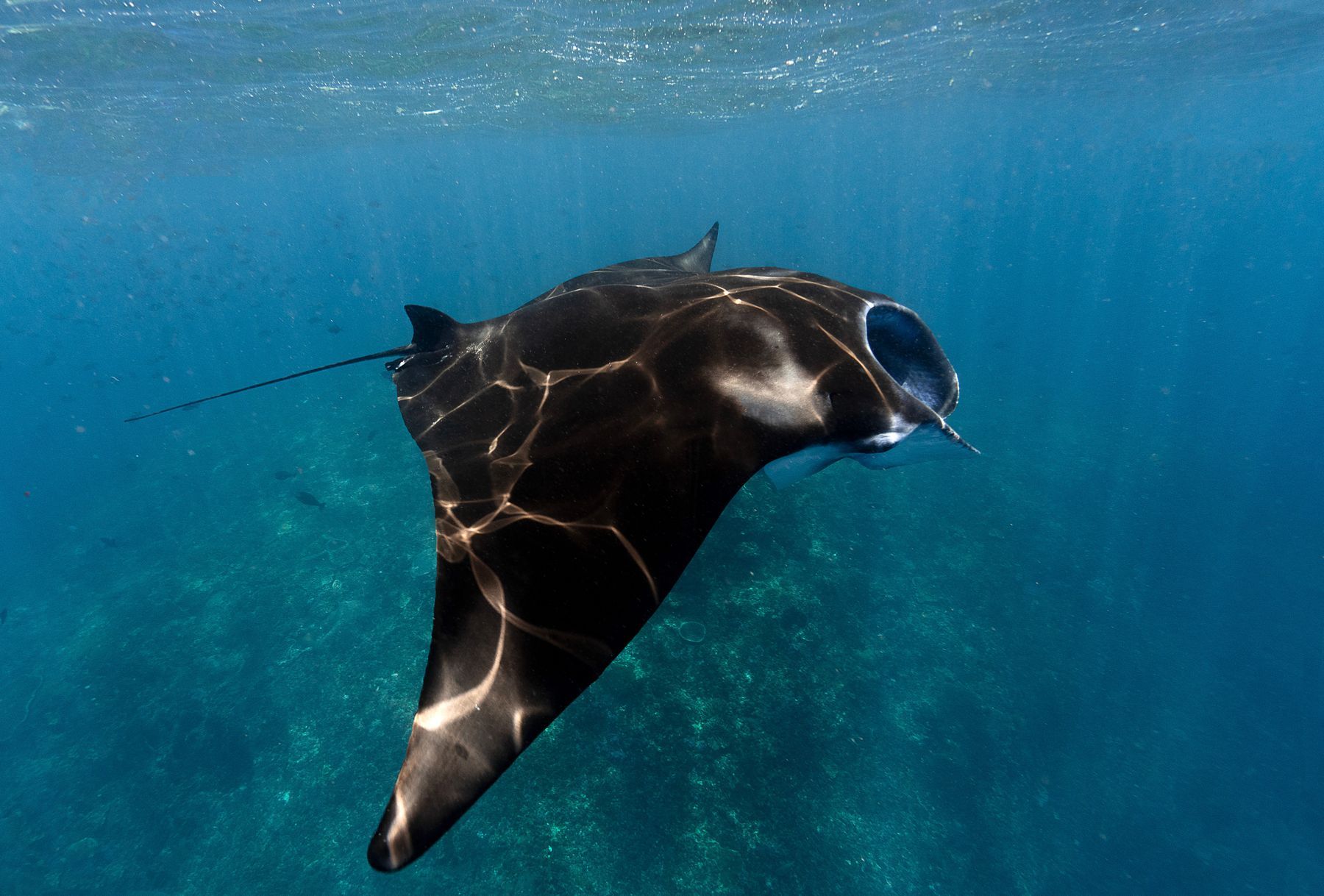
- Coral Bay: a small settlement (245 residents at the 2021 census) roughly 140 to 150 km south of Exmouth, where the reef starts at the beach. Manta ray tours run all year and humpback swims start earlier in the season, from about July.
With a week, split it: three or four nights in Exmouth, then two or three in Coral Bay on the way south. Our Ningaloo snorkelling and diving guide maps 14 sites around both towns.
When is whale shark season at Ningaloo, and how much does a tour cost?
Whale sharks are most reliably seen from March to July, according to the WA Department of Biodiversity, Conservation and Attractions (DBCA), and in some years they stay into August, September or October. Only DBCA-licensed operators may run commercial whale shark tours.
A tour is a full day, roughly 7am to late afternoon. Spotter planes search from the air, and when a shark is found the boat drops a small group ahead of it to snorkel alongside. Most boats include a reef snorkel, lunch, wetsuits and photos.
- Price: 2026-season rates on Exmouth operator sites were from about A$615 to A$690 per adult, with lower rates for children and non-swimming observers. Expect a surcharge on public holidays.
- No-sighting policy: many operators offer a free repeat trip if you miss out, but terms differ, so check before you book.
- The rules: no more than 10 swimmers in the water at once, stay at least 3 m from the head or body and 4 m from the tail, never touch, and no flash photography.
Visitor numbers have grown from about 1,000 in 1993 to over 36,000 in 2022, so book early for April and July school holidays.
What is in the water at Ningaloo each month?
There is something to see in every month; the big animals simply take turns.
| Month | What is in the water | On land |
|---|---|---|
| Jan–Feb | Reef fish, coral, manta rays at Coral Bay | Turtle nesting and hatching; extreme heat |
| Mar | Whale sharks arrive; mantas | Last turtle tours; still very hot |
| Apr–Jun | Whale shark peak; mantas | Walking season opens in Cape Range |
| Jul | Whale sharks; humpbacks arrive; Coral Bay humpback swims start | Mild days, cool nights |
| Aug–Oct | Humpback swims and whale watching; some whale sharks; mantas | Walking season; busy campgrounds |
| Nov | Humpbacks heading south; mantas | Heat builds; turtles mating offshore |
| Dec | Reef and mantas | Turtle nesting begins; Jurabi tours start |
Humpback swims run roughly July to October at Coral Bay and August to October at Exmouth, and are tied to the migration, so dates shift each year.
Do you need to pay or book to visit Cape Range National Park?
Yes to both. Cape Range charges the standard WA park entry fee of A$17 per vehicle per day (A$10 concession), paid at the entry station, online or with a park pass. If you are staying longer, compare the cost of a WA holiday pass.
Camping is booking only, through Park Stay WA. There are 10 campgrounds along the coast, from Neds and Mesa in the north to Osprey Bay and Yardie Creek in the south. Sites can be booked up to about 180 days ahead, and the Ningaloo campgrounds have recently been released in monthly batches because demand is so high. In peak months they fill fast.
- Bring water: campgrounds have no showers or drinking water.
- Stay limits: 14 nights if any night falls in WA school holidays, otherwise 28.
- Rules: no campfires and no pets; generators only at set hours and sites.
Stop at the Milyering Discovery Centre inside the park for maps, tides and current safety advice.
Is the Turquoise Bay drift snorkel safe?
It is safe for confident swimmers who read the conditions, but it is not a beginner's swim. A natural current flows south to north over the reef. You walk about 200 m south from the Drift Loop car park, enter at the southern end, and let it carry you north.
- No lifeguards: rangers do not regularly patrol the beaches.
- Strong spots: currents are strongest around the sandbar and at the northern end, and stronger at high tide or with big waves. Get out well before the sandbar.
- Be prepared: never snorkel alone, and the park's own rule is simple: if in doubt, don't go out.
Weaker swimmers can snorkel inside the bay or join a licensed tour. In an emergency call 000. See our guide to ocean safety in Australia.
What else is there to do around Exmouth?
Plenty, and most of it is on land.
- Yardie Creek: a gorge at the southern end of Cape Range with sheer red cliffs. The Yardie Nature Walk is a gentle 1.2 km return with lookouts over the gorge and reef; a rougher gorge trail continues beyond it. Boat tours run on the creek, and you may spot the threatened black-flanked rock-wallaby.
- Charles Knife Canyon: the turn-off is about 22 km south of Exmouth, and a winding, mostly gravel road climbs the range to lookouts over deep canyons. The rough Badjirrajirra loop walk starts at Thomas Carter Lookout. There are no toilets.
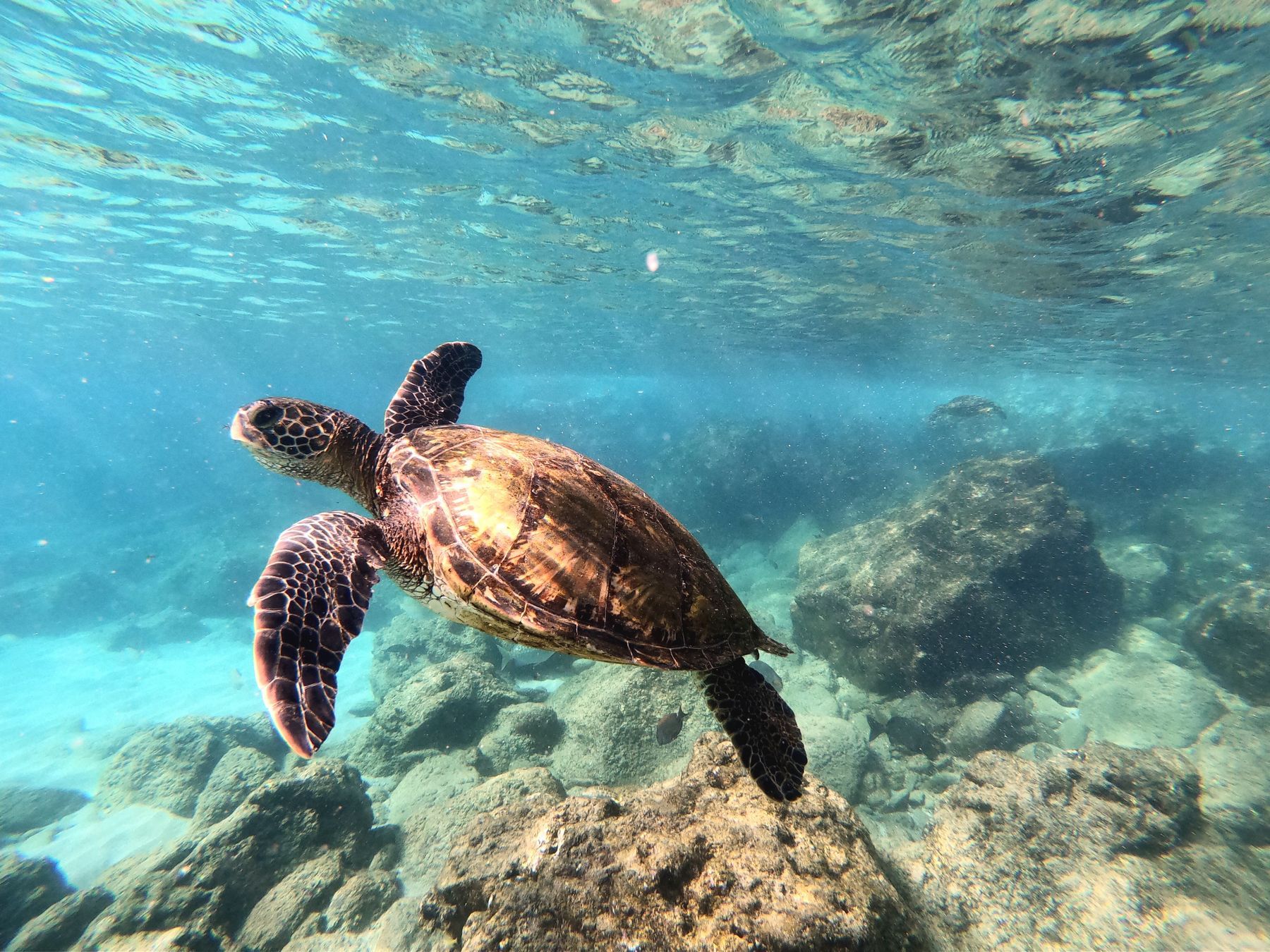
- Turtle nesting: green and loggerhead turtles nest on the Ningaloo beaches over summer. The Jurabi Turtle Centre on Yardie Creek Road runs ranger-led evening tours from December to March, from A$25 per adult. Follow the code: no glow, move slow, stay low. More in where to see sea turtles in Australia.
- Vlamingh Head Lighthouse: at the tip of North West Cape, one of the best sunset and whale-watching viewpoints on the coast.
The Ningaloo Coast was inscribed on the World Heritage List in 2011, covering 604,500 hectares including Cape Range and Ningaloo Marine Park. Much of the reef is sanctuary zone, so look and take nothing.
How many days do you need at Ningaloo, and when should you go?
Plan four to five days if you fly in: one whale shark or humpback day, two days in Cape Range, and a spare day in case wind cancels a boat. Add two or three days for Coral Bay, and at least four extra days each way if you drive from Perth.
The best all-round window is April to October. Whale sharks peak from April to July, humpbacks follow from July, and the days are warm rather than brutal. In July 2026 Learmonth averaged a 26.6°C maximum and 10.6°C minimum, so pack a jumper for nights.
Summer is a different trip. In January 2026 Learmonth averaged a 40.2°C maximum and peaked at 47.1°C. DBCA warns that Cape Range can pass 45°C from November to March and advises walking only from April to September, early in the day, with at least 4 litres of water per person. Come in summer for the turtles, but plan everything around the heat. Our best time to visit Australia guide compares Ningaloo with the rest of Western Australia.
Facts checked October 2026. Tour prices, park fees, camping booking windows and wildlife seasons change; confirm with DBCA, Park Stay WA and your operator before you travel.
- Whale shark management in Western Australia (DBCA)
- Park entry fees (Explore Parks WA, DBCA)
- Yardie Creek campground bookings (Park Stay WA)
- Turquoise Bay, Cape Range National Park (Explore Parks WA)
- Yardie Creek (Explore Parks WA)
- Charles Knife Canyon (Explore Parks WA)
- Cape Range National Park (Explore Parks WA)
- Getting here (Ningaloo Centre, Exmouth)
- The Coral Coast Highway (Australia's Coral Coast)
- Guide to camping in Cape Range National Park (Australia's Coral Coast)
- Swim with humpback whales (Australia's Coral Coast)
- Sea turtles and the turtle watchers' code of conduct (Australia's Coral Coast)
- Ningaloo Coast World Heritage (Shire of Exmouth)
- Learmonth daily weather observations, January 2026 (Bureau of Meteorology)