The Great Ocean Road follows the coast of south-west Victoria from surf beaches to rainforest to the limestone stacks of the Twelve Apostles. It is easy to drive and hard to rush. Here is how long it takes, the stops worth making in order, and what changed at the Apostles in October 2026.
How long is the Great Ocean Road?
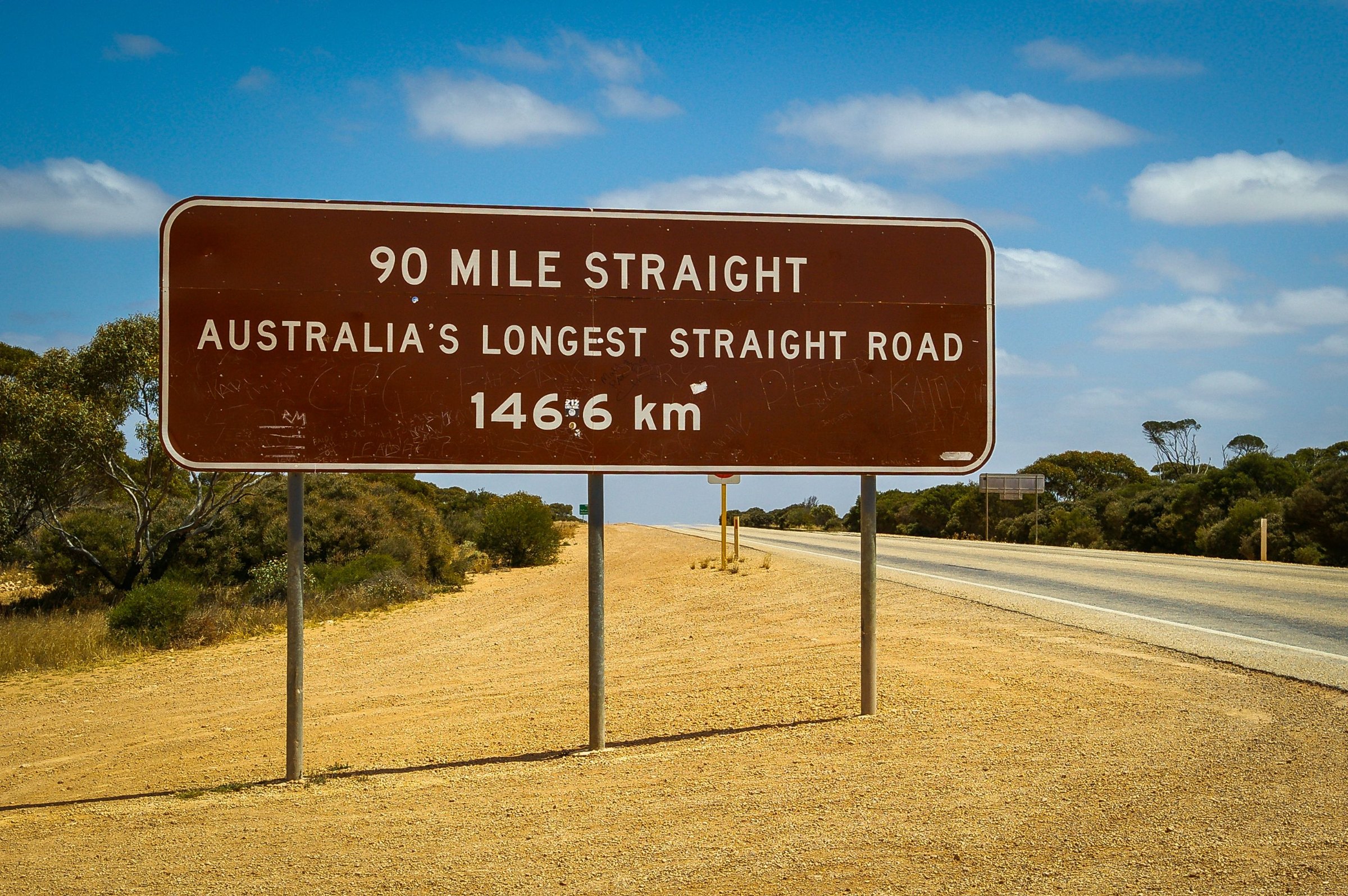
The Great Ocean Road is about 240 km long, running from Torquay, south-west of Melbourne, to Allansford near Warrnambool. You will see figures from 240 to 243 km; the National Archives of Australia gives 242 km.
It is also a memorial. More than 3,000 returned servicemen built it between 1919 and 1932, largely by hand, and it was dedicated to those killed in the First World War. It is often called the world's largest war memorial, and it was added to the National Heritage List in 2011. The timber Memorial Arch at Eastern View marks the story; the first arch went up in 1939 and has been rebuilt several times, including after the 1983 Ash Wednesday fires.
For more on the state as a whole, see our Victoria region guide.
How many days do you need for the Great Ocean Road?
Plan two to three days to drive the road one way without rushing. The road is slow, with long winding stretches, and the regional tourism board warns that a short distance on the map may take much longer than you expect.
- Two days: night one in Lorne or Apollo Bay, then the Otways and the Apostles on day two, finishing in Port Campbell or Warrnambool.
- Three days: add Erskine Falls, Cape Otway and a sunset at the Apostles without watching the clock.
- Four or more: add a section of the Great Ocean Walk or continue to Port Fairy.
If you are fitting the road into a wider trip, our guide to how many days you need in Australia shows where it sits in sample itineraries.
What are the best stops on the Great Ocean Road?
Driving east to west, the classic stops run from the surf coast through the Otway forests to the limestone coast of Port Campbell National Park. Distances below are approximate road kilometres from Torquay.
| Stop | From Torquay | What to do |
|---|---|---|
| Torquay and Bells Beach | 0–5 km | Surf beaches; Bells is a short detour |
| Memorial Arch, Eastern View | about 35 km | Photo stop and the road's history |
| Lorne | about 45 km | Beach town, cafés, overnight base |
| Erskine Falls | Lorne + 5 km inland | 30 m waterfall in the rainforest |
| Kennett River | about 65 km | Look for wild koalas in the gums |
| Apollo Bay | about 90 km | Harbour town, start of the Great Ocean Walk |
| Maits Rest | about 105 km | Short rainforest boardwalk |
| Cape Otway Lightstation | about 110 km, then a side road | Historic lighthouse, first lit in 1848 |
| Gibson Steps | about 178 km | Steps down to the beach below the cliffs |
| Twelve Apostles | about 180 km | Main viewing platforms; booking required |
| Loch Ard Gorge | about 185 km | Gorge, beach and shipwreck story |
| London Bridge, The Grotto, Bay of Islands | about 195–205 km | Arches, rock pools and quieter lookouts |
| Port Fairy | beyond the end of the road | Historic fishing town west of Warrnambool |
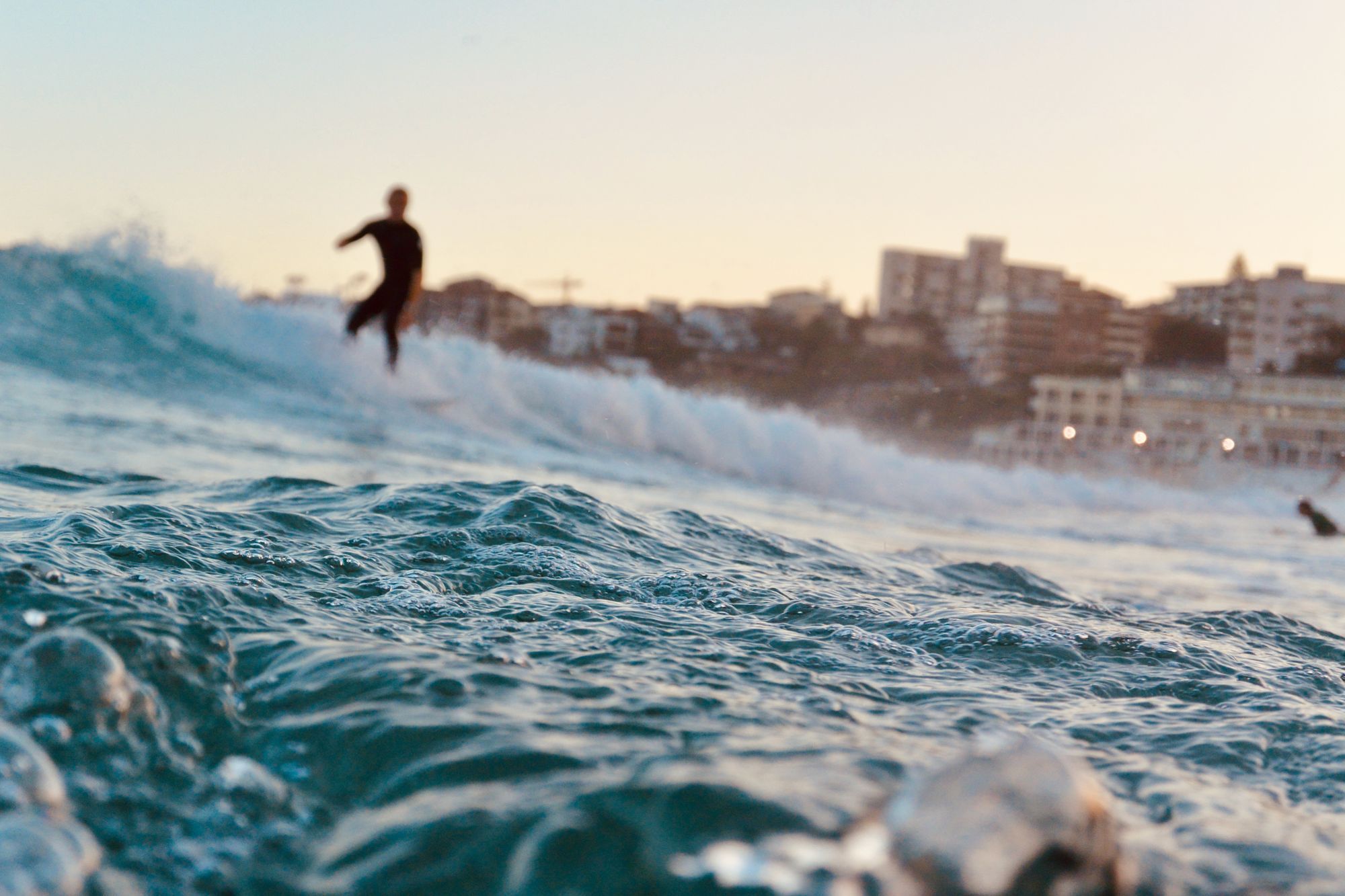
- Bells Beach: home of the Easter surf contest and a powerful wave for experts. Our guide on where to surf in Australia covers easier breaks.
- Erskine Falls: the upper lookout is 300 m return; the path to the base drops over 300 steps.
- Kennett River: walk slowly and look up. See where to see koalas in Australia for how to watch them responsibly.
- Maits Rest: a 30-minute return boardwalk through tree-fern gullies, about 15 minutes west of Apollo Bay. Its car park suits cars and small buses only.
- Loch Ard Gorge: named after the 1878 wreck of the Loch Ard. Only two people survived, the teenagers Eva Carmichael and Tom Pearce.
- London Bridge: now usually called London Arch, because the span nearest the shore collapsed on 15 January 1990. A colony of about 80 to 100 little penguins nests on the beach below and returns at dusk.
How many of the Twelve Apostles are left?
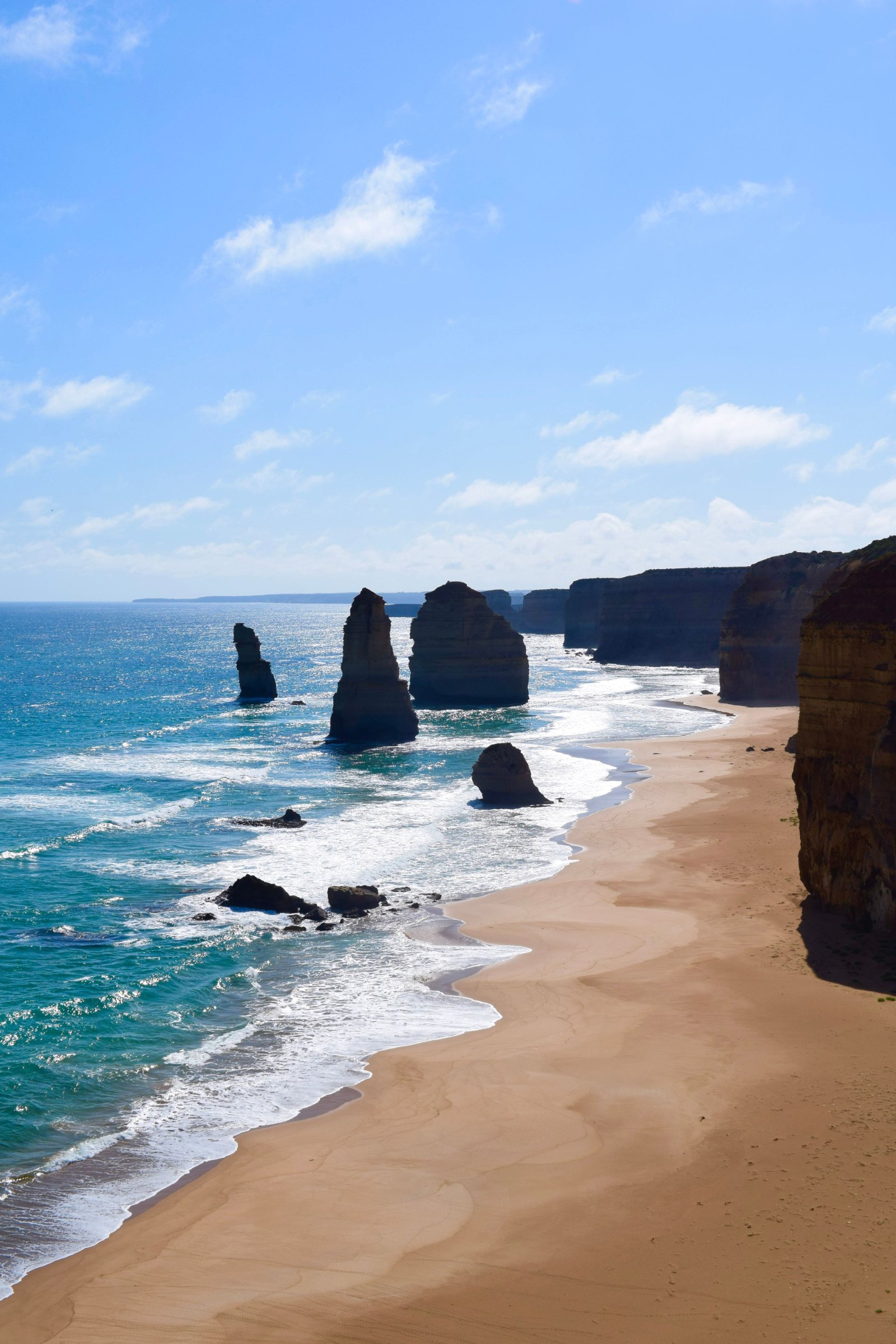
Most visitors count seven stacks from the main viewing platform. Other stacks are hidden behind headlands, and the wider coast holds around 30 rock formations.
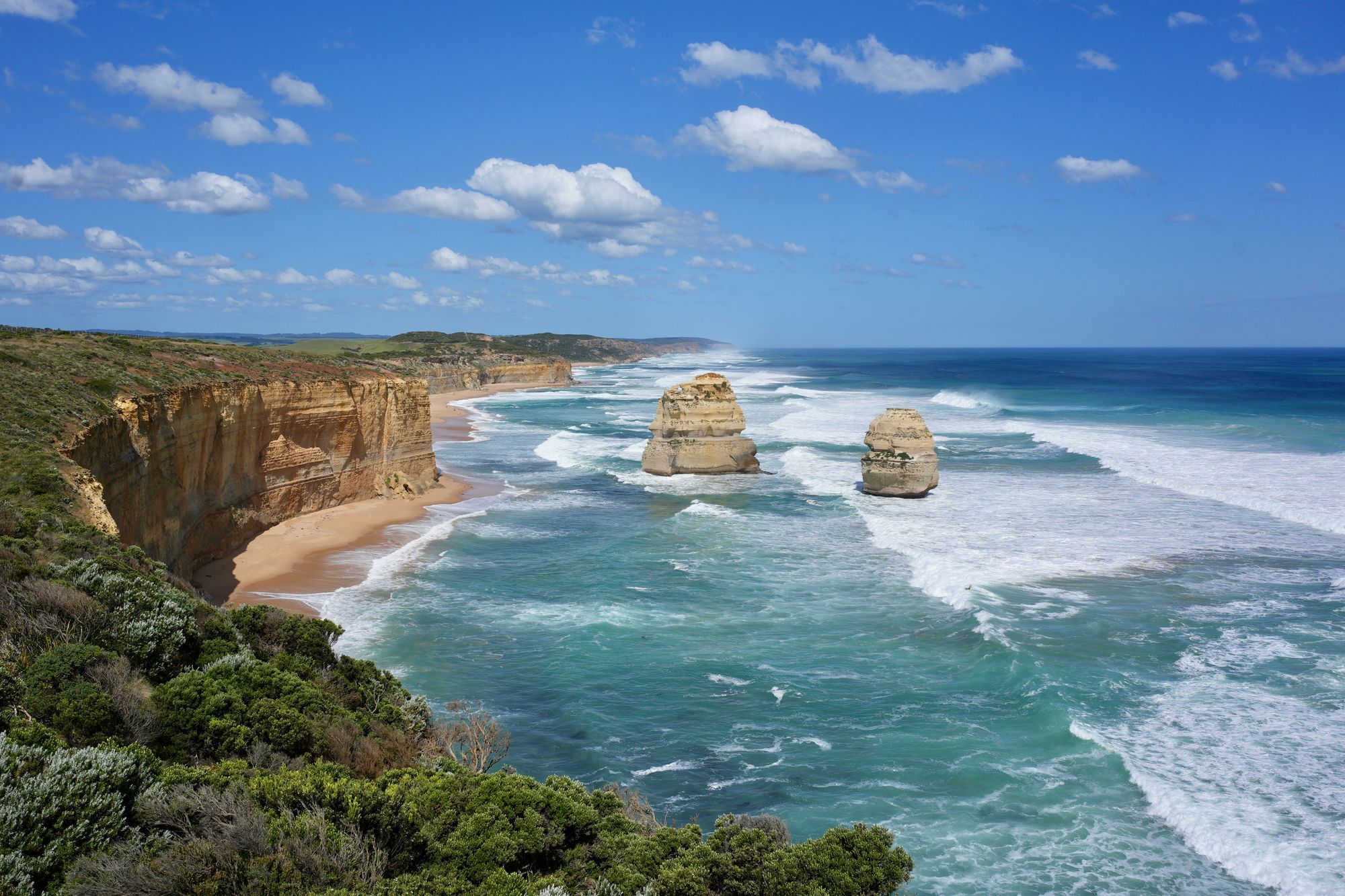
Erosion keeps changing the count. A stack collapsed in 2005 and another in 2009. Two more, Gog and Magog, can be seen from the beach at Gibson Steps, and the Sow and Piglets stand further east, visible from the Razorback near Loch Ard Gorge.
Do you need to book to see the Twelve Apostles?
Yes. Since the new Keerray Woorroong Visitor Centre opened on 16 October 2026, the Victorian Government says bookings are required before you arrive and to secure a car park. Keerray Woorroong is the name of the Country and language of the area's First Nations people, the Eastern Maar.
- Cost: bookings are free until April 2027, after which a fee will apply. The amount had not been announced in October 2026.
- Facilities: a large café, kiosk, gallery, rooftop lookout and paths to the cliffs.
- Hours: reported as 8am to 8pm during daylight saving and 9am to 5pm in standard time.
Book through the official Twelve Apostles website linked from Visit Great Ocean Road. Our list of what to book ahead in Australia covers other reservations worth making early.
Can you do the Great Ocean Road as a day trip from Melbourne?
You can, but it is a long day. The Twelve Apostles are about 275 km from Melbourne via the coast, roughly four hours of driving without stops, and most people return inland, which is quicker.
- Self-drive: the best way to stop where you like, stay overnight and see the Apostles at sunrise or sunset. It also means a lot of winding road for one driver.
- Day tour: many operators run full-day coach tours from Melbourne. You do not drive, but time at each stop is short and the day is long.
- Public transport: a daily bus runs from Geelong to Lorne and Apollo Bay, connecting with trains from Melbourne. It does not reach the Apostles.
If you have the time, an overnight stay is far better than a day trip. Our guide to things to do in Melbourne helps plan the city days either side.
When is the best time to see the Twelve Apostles?
Sunrise and sunset give the best light on the stacks. Sunset is the busiest time, so early morning is often calmer, and staying in Port Campbell, 12 km west, puts you close for either.
For the drive itself, summer brings the longest days and warmest beach weather, along with the biggest crowds. The rest of the year is quieter, but the coast is exposed to the Southern Ocean and weather changes fast in any season.
How long is the Great Ocean Walk?
The Great Ocean Walk runs one way from Apollo Bay to the Twelve Apostles, a distance usually given as 104 km; Visit Great Ocean Road now lists it as just over 110 km. The full walk takes about eight days, but you can walk single-day sections.
There are seven small hike-in campsites, and they must be booked before you walk. A short section is also handy for day visitors: from the Twelve Apostles visitor area, the walk to the Gibson Steps clifftop is 2.2 km return, a useful option when the small Gibson Steps car park is full.
What should you know before driving the Great Ocean Road?
Drive on the left, take it slowly and stop often. The road is two lanes with sharp bends, cliffs and changing weather. Our guide to driving in Australia covers licences and road rules.
- Keep left: ask passengers to remind you when you set off and at every turn.
- Fatigue: do not drive the road straight after a long flight. Take a break at least every two hours and share the driving.
- Speed and phones: limits are strictly enforced in Victoria, and handheld phone use while driving is illegal. Pull over only at lookouts and marked parking areas.
- Wildlife: watch for animals on the road around dawn and dusk.
- Road conditions: check VicTraffic and VicEmergency for closures, fires and landslips before you go.
At beaches such as Gibson Steps the swell can reach the cliffs at any tide, so check conditions and read our guide to ocean safety in Australia before swimming. In an emergency, call 000.
Facts checked October 2026. The Twelve Apostles booking system and fees are new and may change; confirm on the official Twelve Apostles and Visit Great Ocean Road websites, and check VicTraffic before you drive.
- New 12 Apostles Visitor Centre Opens (Premier of Victoria)
- Inside Victoria's new $126 million Twelve Apostles precinct (The Canberra Times)
- Returned soldiers employed building Great Ocean Road (National Archives of Australia)
- How many Apostles are there? (Visit Great Ocean Road)
- Gibson Steps (Visit Great Ocean Road)
- Great Ocean Walk (Visit Great Ocean Road)
- London Bridge (Visit Great Ocean Road)
- Erskine Falls (Visit Great Ocean Road)
- Memorial Arch (Visit Great Ocean Road)
- Maits Rest Rainforest Walk (Great Ocean Road Coast and Parks Authority)
- Cape Otway and Apollo Bay (Parks Victoria)