Brisbane and the Gold Coast are neighbours in south-east Queensland, linked by one train line and one 50-cent fare. Brisbane gives you river ferries, free galleries and a koala sanctuary. The Gold Coast gives you surf beaches, theme parks and rainforest in the hills behind. Here is what to do in each, and how to fit both into one trip.
Should you visit Brisbane or the Gold Coast?
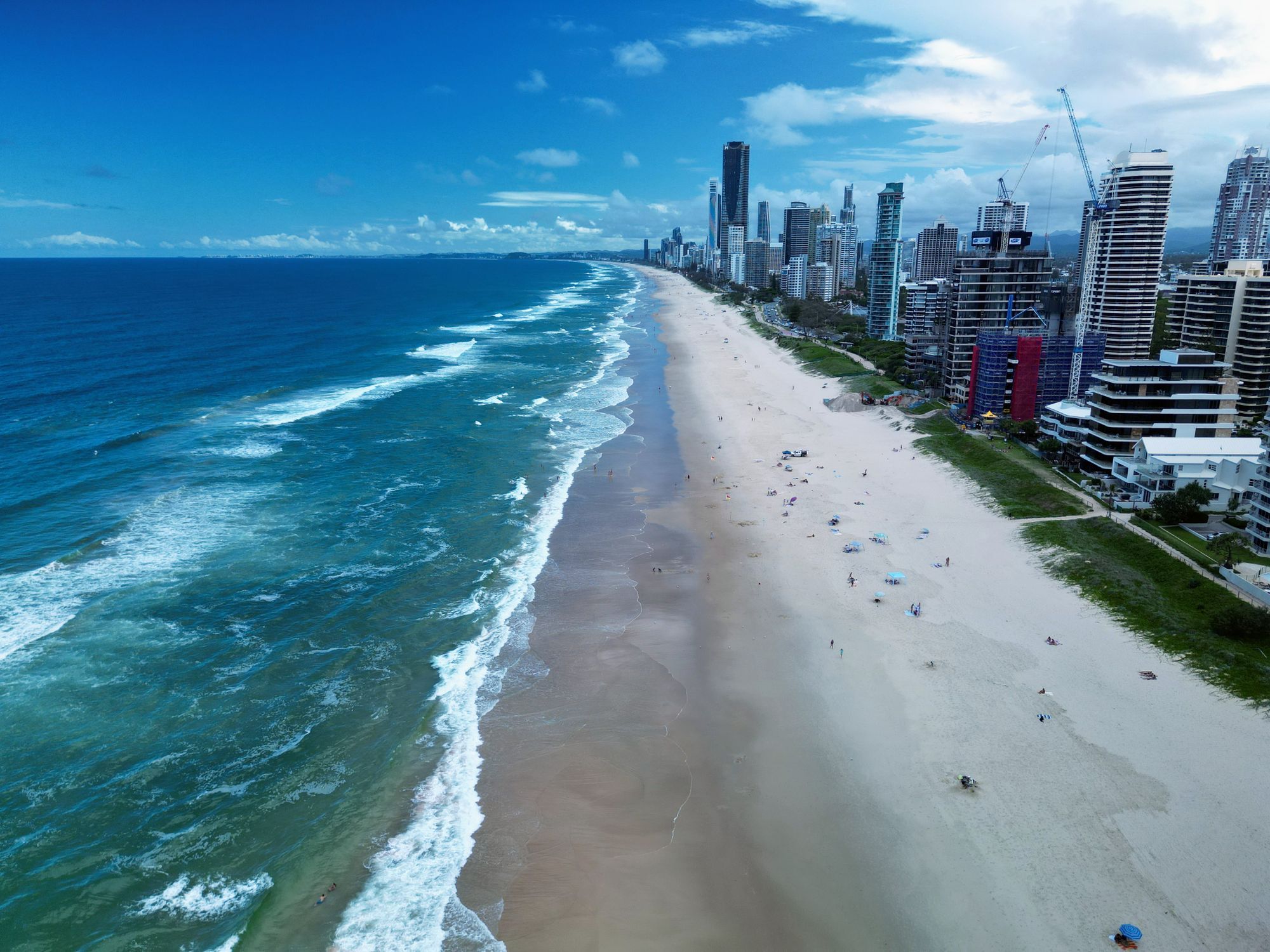
Visit both if you can, because they do different jobs and the train between them is cheap. Brisbane is a relaxed river city with culture, food and easy island trips. The Gold Coast is a long strip of surf beaches with high-rise Surfers Paradise in the middle and the rainforest of the Scenic Rim behind it.
| Place | Brisbane or Gold Coast | Best for |
|---|---|---|
| South Bank and Streets Beach | Brisbane | Free lagoon swim, riverside walks |
| QAGOMA | Brisbane | Free art galleries, rainy days |
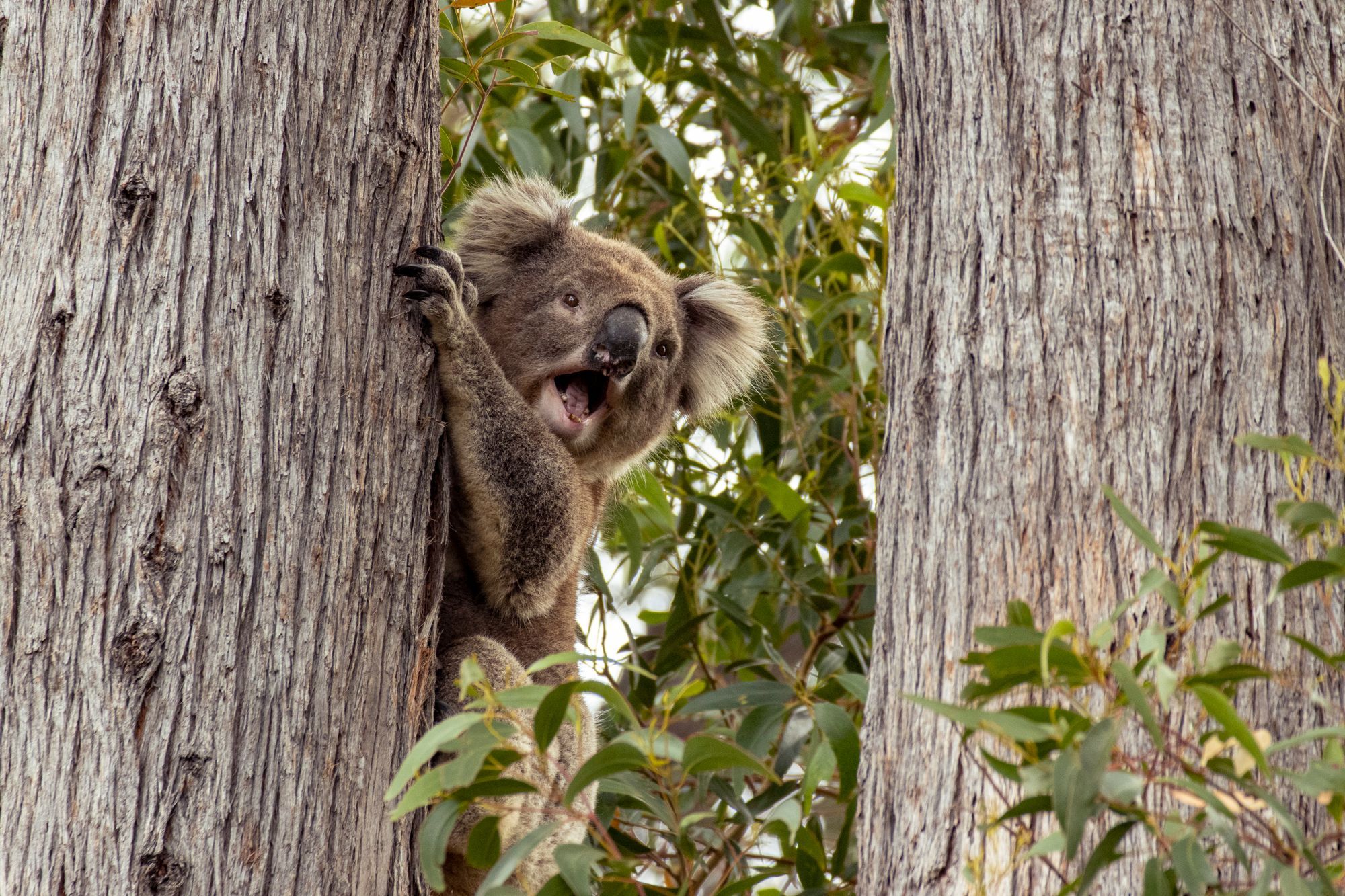
| Lone Pine Koala Sanctuary | Brisbane | Koalas and native wildlife |
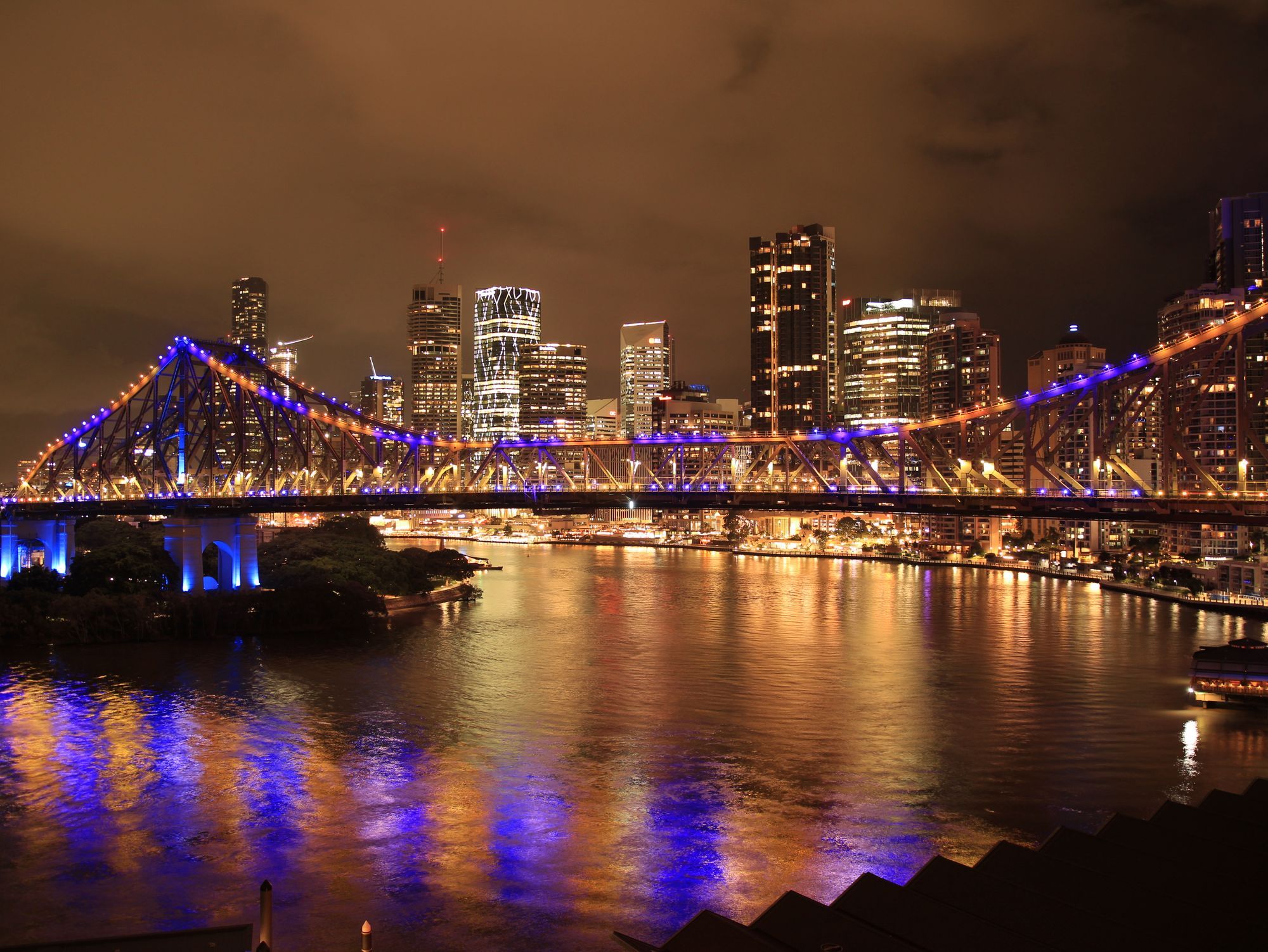
| Story Bridge and Howard Smith Wharves | Brisbane | Bridge climb, dinner and drinks |
| Moreton and North Stradbroke islands | Brisbane (by ferry) | Sand dunes, wrecks, whale watching |
| Surfers Paradise and SkyPoint | Gold Coast | Beach, nightlife, views |
| Burleigh Heads | Gold Coast | Headland walk, cafés, culture |
| Snapper Rocks and Coolangatta | Gold Coast | Surfing and watching surfers |
| Theme parks | Gold Coast | Families and thrill rides |
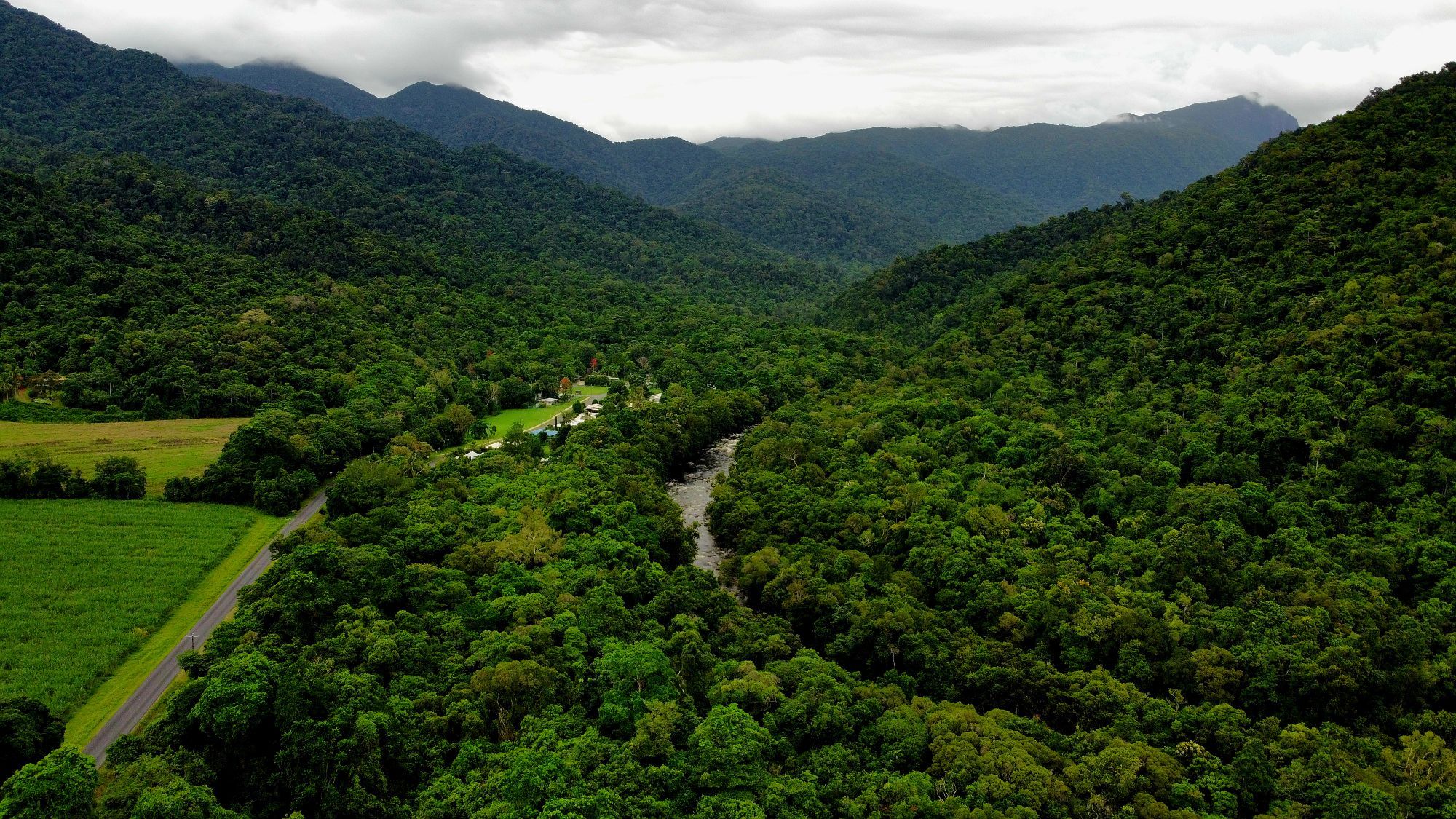
| Lamington, Springbrook, Tamborine | Gold Coast hinterland | Rainforest walks, glow worms |
What are the best things to do in Brisbane?
Start at South Bank, ride a CityCat and see a koala. Most of the city's highlights sit along the Brisbane River, so the ferries double as a sightseeing cruise.
- South Bank: parklands, cafés and Streets Beach, a free man-made lagoon with sand, no waves and lifeguards on duty seven days a week.
- QAGOMA: the Queensland Art Gallery and Gallery of Modern Art are free to enter (some exhibitions charge) and open daily from 10am to 5pm.
- CityCats: the all-stops CityCat runs daily between the University of Queensland at St Lucia and Northshore Hamilton, and costs 50 cents like all Translink services.
- Lone Pine Koala Sanctuary: about 12 km from the city at Fig Tree Pocket, open daily from 9am to 5pm. It stopped koala holding in July 2024. Our guide to where to see koalas in Australia covers its keeper encounters and wild alternatives.
- Mt Coot-tha: the summit lookout gives the best view over the city. Bus 471 runs there from Adelaide Street in the CBD, roughly hourly in the daytime, and stops at the botanic gardens on the way.
- Story Bridge Adventure Climb: a guided climb to 80 metres above the river, about 1.5 hours long, from A$150. Children must be at least 6 and 1.1 m tall. Walking across the bridge footpath is free.
- Howard Smith Wharves: heritage wharves under the Story Bridge with restaurants, bars, a brewery and a hotel.
Brisbane also hosts the 2032 Olympic and Paralympic Games, with events planned for the Gold Coast too, so expect building work around some venues in the years before.
Which islands can you visit from Brisbane?
The two big sand islands of Moreton Bay, Moreton Island and North Stradbroke Island, are both easy trips from Brisbane. They are Quandamooka Country, and both are worth more than a day if you have time.
Moreton Island (Mulgumpin) is mostly Gheebulum Kunungai (Moreton Island) National Park, renamed in 2021 and jointly managed by the Quandamooka People and Queensland Parks and Wildlife Service. Snorkel the Tangalooma Wrecks, but do not climb on or swim through them. Climb Mount Tempest, at 280 m the island's highest dune. Wild dolphin feeding at Tangalooma Island Resort is only for resort guests, which includes selected day cruise packages from Brisbane. To drive on the island you need a 4WD and a vehicle access permit, and camping permits must be booked before you arrive.
North Stradbroke Island (Minjerribah) is reached by passenger and vehicle ferries from Toondah Harbour in Cleveland to Dunwich. At Point Lookout, the 1.5 km North Gorge Walk is one of the best places to spot humpback whales from land between June and November, and dolphins and turtles year-round. Tourism on the island is increasingly led by the Quandamooka Yoolooburrabee Aboriginal Corporation (QYAC).
For a bigger sand-island adventure further north, see our K'gari (Fraser Island) guide.
What are the best things to do on the Gold Coast?
Swim and surf at the beaches, take in the view from SkyPoint, and walk the headland at Burleigh. The coast is long, so pick a base by mood.
- Surfers Paradise: the busy centre, with a wide patrolled beach and the most nightlife. SkyPoint, on Level 77 of the Q1 tower, is an observation deck 230 m above the beach; the lift takes 38 seconds.
- Burleigh Heads: a calmer village of cafés below a forested headland. At its base, the Jellurgal Aboriginal Cultural Centre, run by the local Aboriginal community through Kalwun, shares the culture of the Yugambeh language-speaking people and runs the Jellurgal Walkabout tour of the headland.
- Snapper Rocks and Coolangatta: at the southern end, Snapper Rocks marks the start of the Superbank and is a stop on the world surf tour. Beginners should take a lesson on a gentler beach; our guide to where to surf in Australia rates the breaks by level.
Which Gold Coast theme parks are there?
There are five big parks, run by two companies, mostly on the northern Gold Coast between Brisbane and Surfers Paradise.
- Village Roadshow Theme Parks: Warner Bros. Movie World, Sea World and Wet'n'Wild Gold Coast, sold separately or on multi-day, multi-park passes.
- Coast Entertainment: Dreamworld, which calls itself Australia's biggest theme park, and the WhiteWater World water park next door.
Prices change often, so compare deals on the official websites, and allow a full day per park.
Is the Gold Coast hinterland worth a day trip?
Yes. In the ranges behind the beaches you reach World Heritage-listed Gondwana rainforest, cooler air and big views. The parks are easiest to reach by car or on a tour.
- Lamington National Park: at O'Reilly's in the Green Mountains section, the free Tree Top Walk crosses nine suspension bridges about 15 m above the forest floor.
- Springbrook National Park: the cave at Natural Bridge holds one of Australia's largest glow-worm colonies. Visit after dark on the short circuit, keep out of the creek (penalties apply) and do not wear insect repellent inside the cave.
- Tamborine Mountain: the 1.1 km return Curtis Falls track passes glow-worm habitat, and the Witches Falls section, declared in 1908, is Queensland's oldest national park.
Our Queensland rainforest walks guide covers the longer Lamington and Springbrook trails, including the Border Track.
How do you get from Brisbane to the Gold Coast?
Take the train. Gold Coast line trains run from Brisbane City to Helensvale, Nerang, Robina and Varsity Lakes, and at Helensvale you change to the G:link light rail for Southport, Surfers Paradise and Broadbeach. Since 9 August 2026 the tram also runs on to Burleigh Heads, with eight new stops.
Fares are simple. All Translink trains, buses, ferries and trams cost a flat 50 cents per trip, now fixed in law. Tap on and off with a contactless card, a phone wallet or a go card.
Which airport?
- Brisbane Airport (BNE): the main international gateway. Airtrain reaches the city in about 20 minutes and runs from about 4.30am to 10pm. It is not covered by the 50-cent fare: tickets start at A$23.30. Through trains continue to the Gold Coast, about 1 hour 20 to 30 minutes from the airport to Helensvale.
- Gold Coast Airport (OOL): at Coolangatta, about 30 minutes by car from Surfers Paradise. There is no train; bus 777 connects to the G:link tram and bus 760 runs to Varsity Lakes station for trains to Brisbane.
Fly into Brisbane to start in the city, or the Gold Coast for a beach-first trip.
How many days do you need for Brisbane and the Gold Coast?
Plan on five to seven days for both. Two or three days cover Brisbane's river, galleries and Lone Pine, plus one island day. Give the Gold Coast three or four days: two on the beaches, one at a theme park and one in the hinterland. Our guide to how many days you need in Australia shows how this fits a longer east coast trip through Queensland and New South Wales.
Best time: spring (September to November) and autumn (March to May) are warm and drier, with average highs around 25°C. Summer averages up to about 30°C and is the wettest and most humid season. Winter is mild and dry, with days around 21°C, good for walking but cool for swimming. See our best time to visit Australia guide for school holidays and peak prices.
Is it safe to swim on the Gold Coast?
Yes, if you swim between the red and yellow flags at a patrolled beach. Surf Life Saving Queensland says this is always the safer place to swim. Gold Coast beaches can have strong currents and rips even on sunny days, and patrols do not cover every beach or every hour.
- Check the flags and signs before you go in, and ask a lifesaver if unsure.
- Never swim alone, at night or after drinking.
- If caught in a rip, stay calm, float and raise an arm for help.
- In an emergency, call 000.
Our Australia ocean safety guide explains rips, flags and stingers in more detail.
Facts checked October 2026. Fares, prices, timetables and opening hours change; confirm with Translink, park authorities and operators before you travel.
- Fares and zones (Translink)
- Airport services (Translink)
- Gold Coast Light Rail Stage 3 opening (Queensland Government Ministerial Media Statements)
- Transport options (Gold Coast Airport)
- Getting from Brisbane to the Gold Coast (Airtrain)
- CityCat and ferry services (Brisbane City Council)
- Getting to Mt Coot-tha precinct (Brisbane City Council)
- Hours and admission (QAGOMA)
- Frequently asked questions (Lone Pine Koala Sanctuary)
- Can you walk across the Story Bridge? (Story Bridge Adventure Climb)
- Gheebulum Kunungai (Moreton Island) National Park (Queensland Parks and Wildlife Service)
- North Stradbroke Island (Minjerribah) (Redland City Council)
- Natural Bridge and Cave Creek restricted access (Queensland Parks and Wildlife Service)
- Patrol season safety advice (Surf Life Saving Queensland)